Tinker
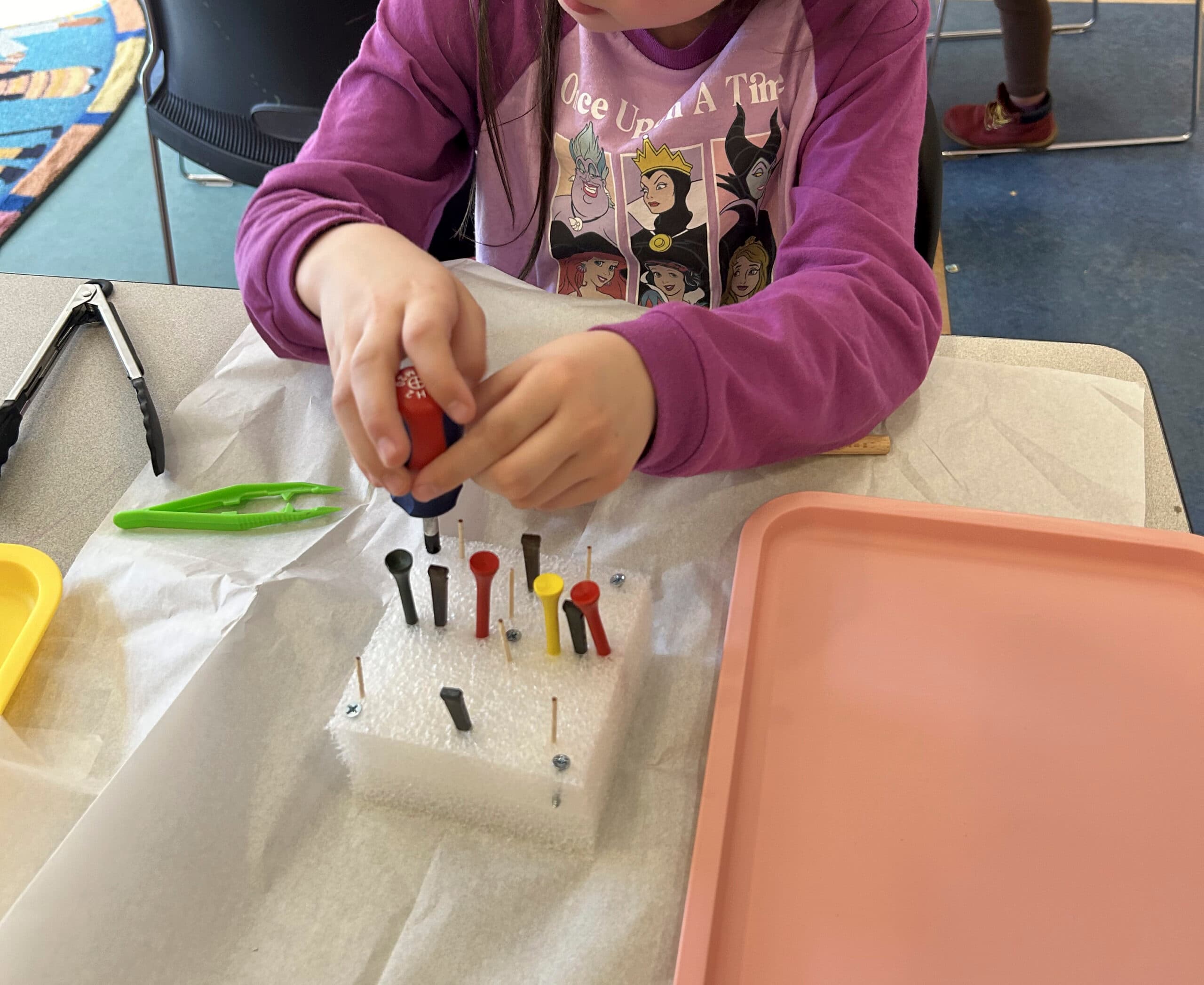
Tinkering is open-ended exploring and creating using the objects and materials in our everyday lives. We are all natural tinkerers. If you have ever experimented with a recipe, fixed something with glue or nails, or made a gift for a friend—then you have been tinkering! There is often a sense of accomplishment that goes along with tinkering. This experience of self-initiated exploration, discovery and accomplishment for our youngest learners, is what we’d like to share through this collection.
- Audience
- CaregiverEducator
- Subject
- STEAM
- Age
- ElementaryKindergartenPre-KPreschool
- Languages
- Brazilian PortugueseEnglishHaitian CreoleSimplified ChineseSpanishVietnamese
Resources in the Tinker collection
 CaregiverActivity
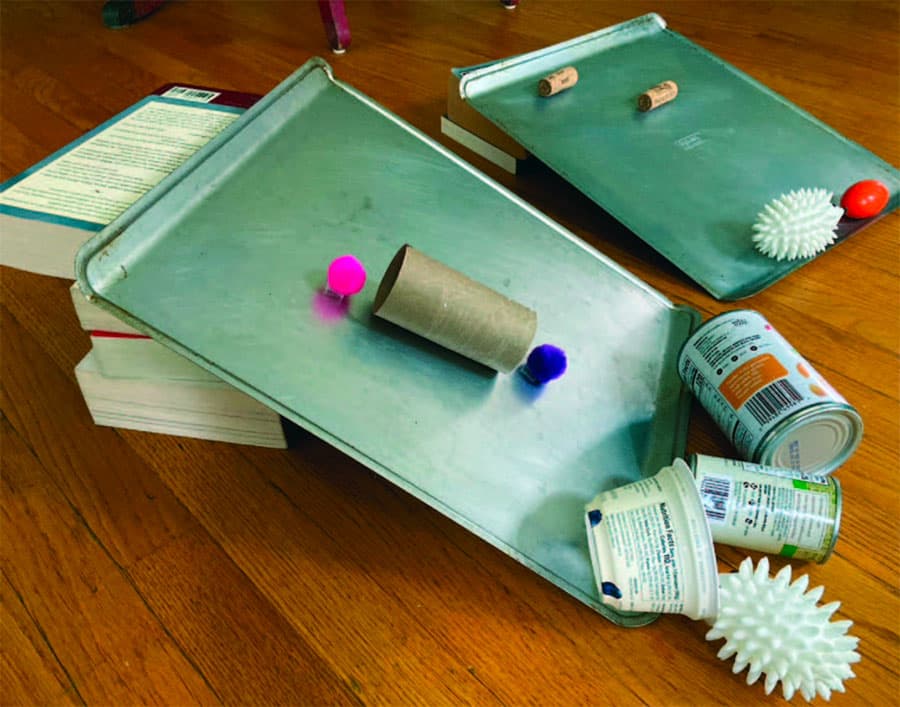
Balls and Ramps
Tinkering is about exploring and problem solving using materials and tools. Tinkering often starts with simple questions, like “What can I do with this?” or “How does this work?” The Balls and Ramps activity is especially good for children to practice using materials in creative ways and experiment with different ways of solving problems. Getting […]
 CaregiverActivity
Boats Afloat
Make a simple boat by changing the shape of a material and see how much your boat can carry.
 CaregiverActivity
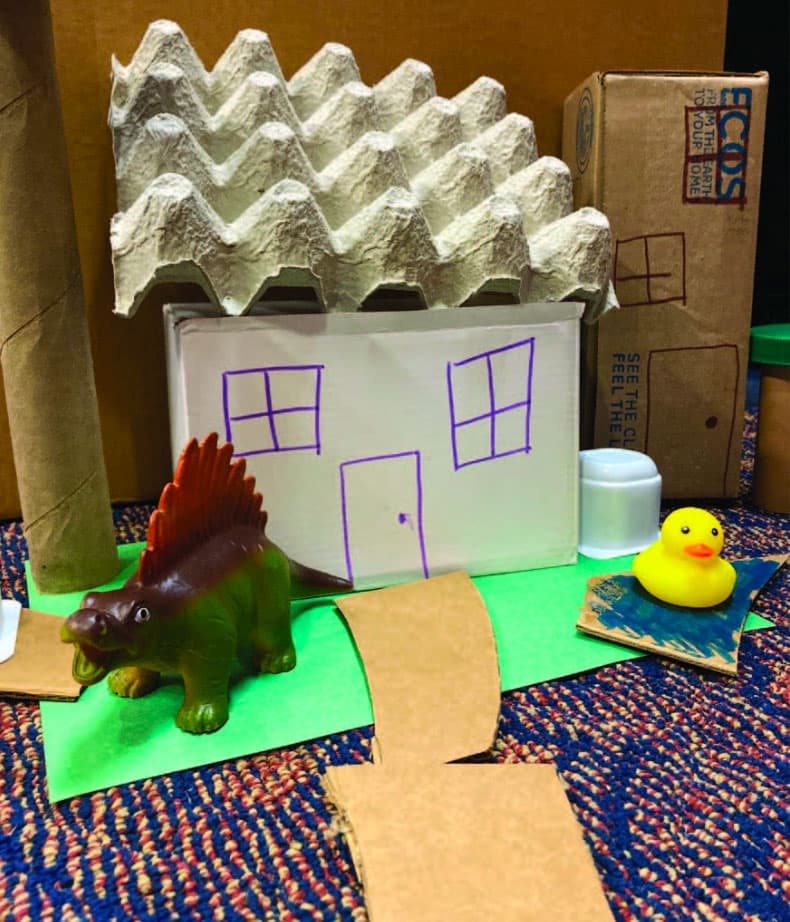
Cardboard Worlds
The Cardboard Worlds activity is especially good for children to develop their independent thinking skills and explore their creativity.
 CaregiverActivity
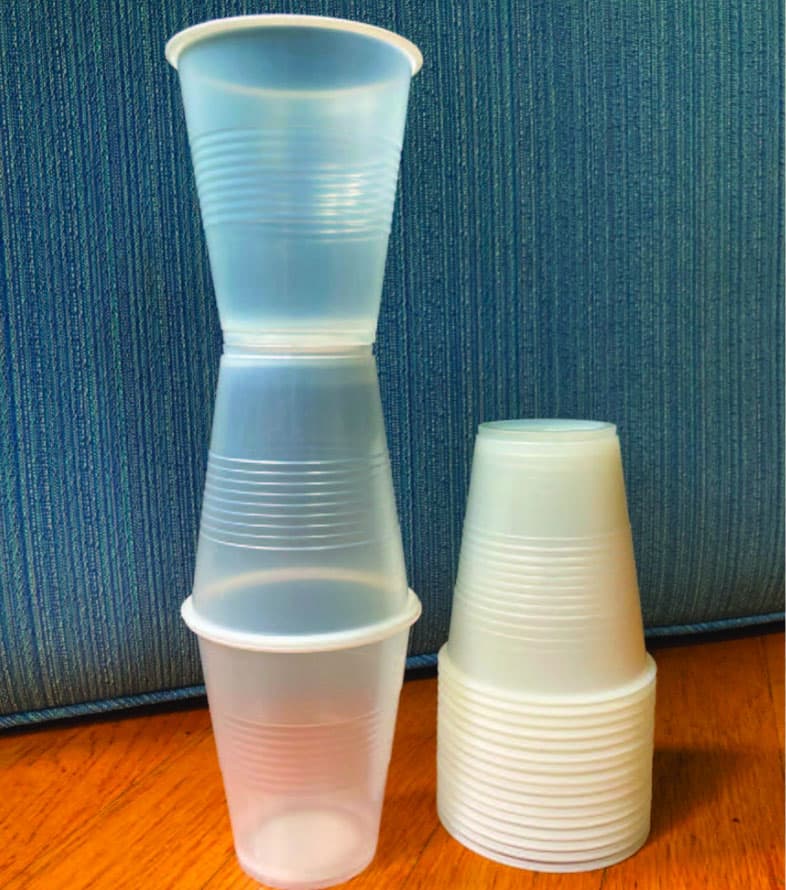
Cup Creations
The Cup Creations activity is especially good for children to develop persistence and practice finding multiple solutions to a challenge.
 CaregiverActivity
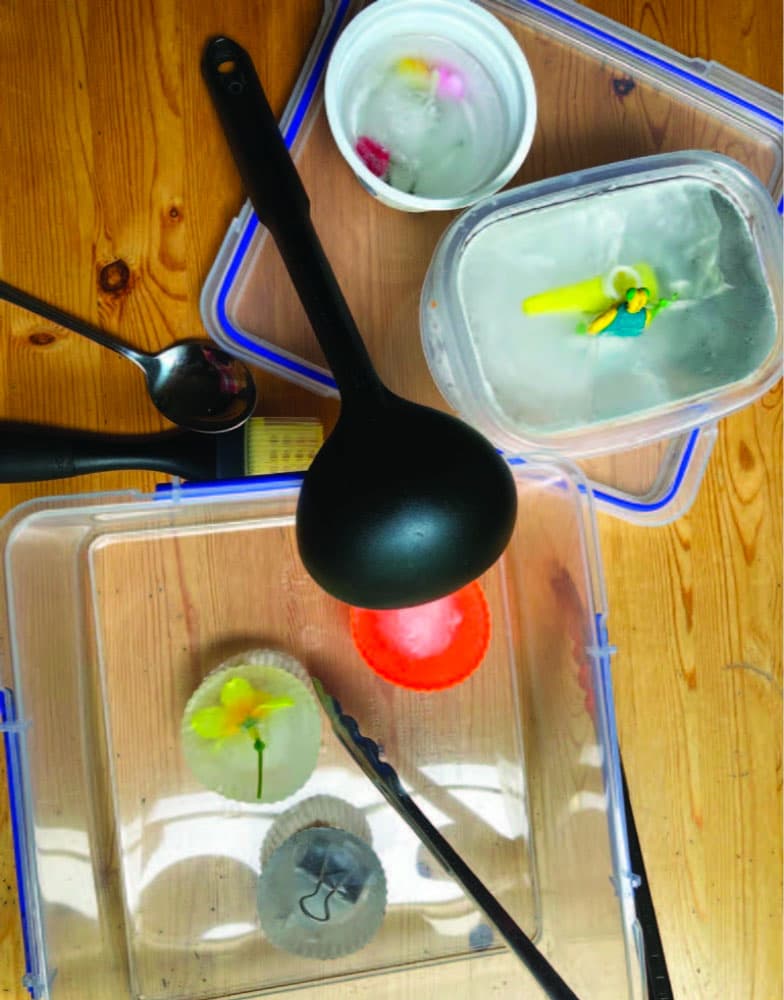
Exploring Ice
The Exploring Ice activity is especially good for children to deepen their curiosity and practice doing things their own way.
 CaregiverActivity
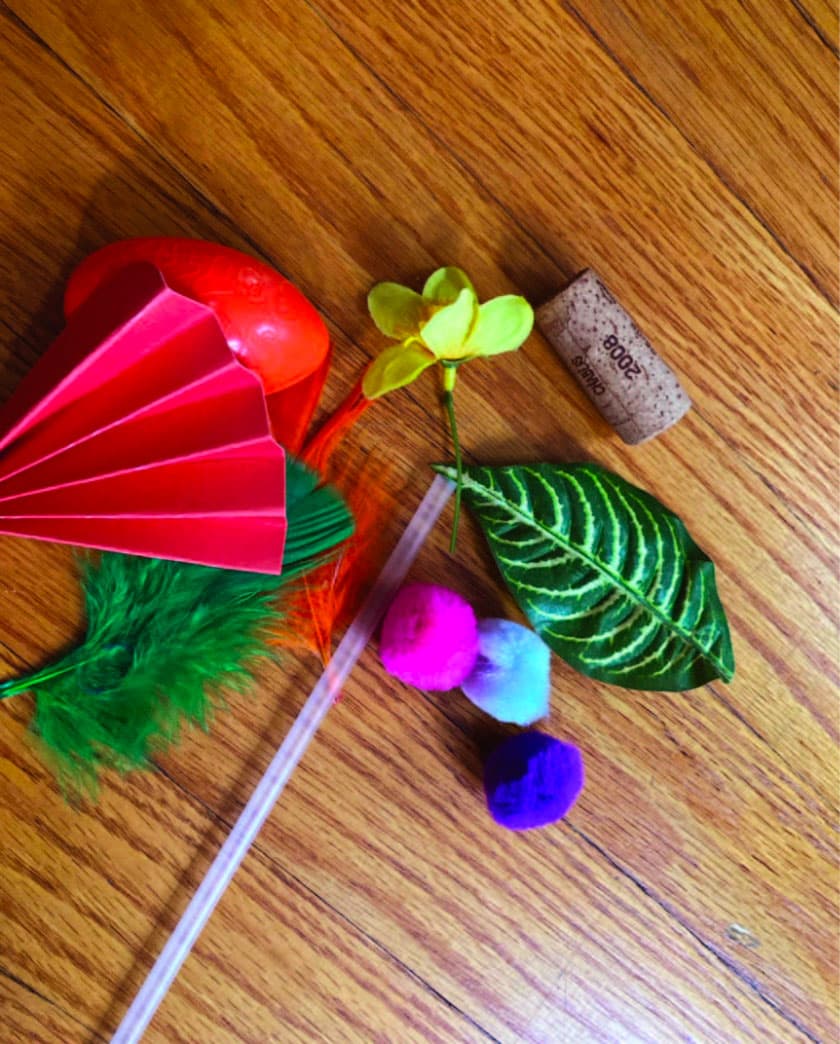
Wind Races
The Wind Races activity is especially good for children to practice staying focused and deepen their curiosity.
 EducatorGuide
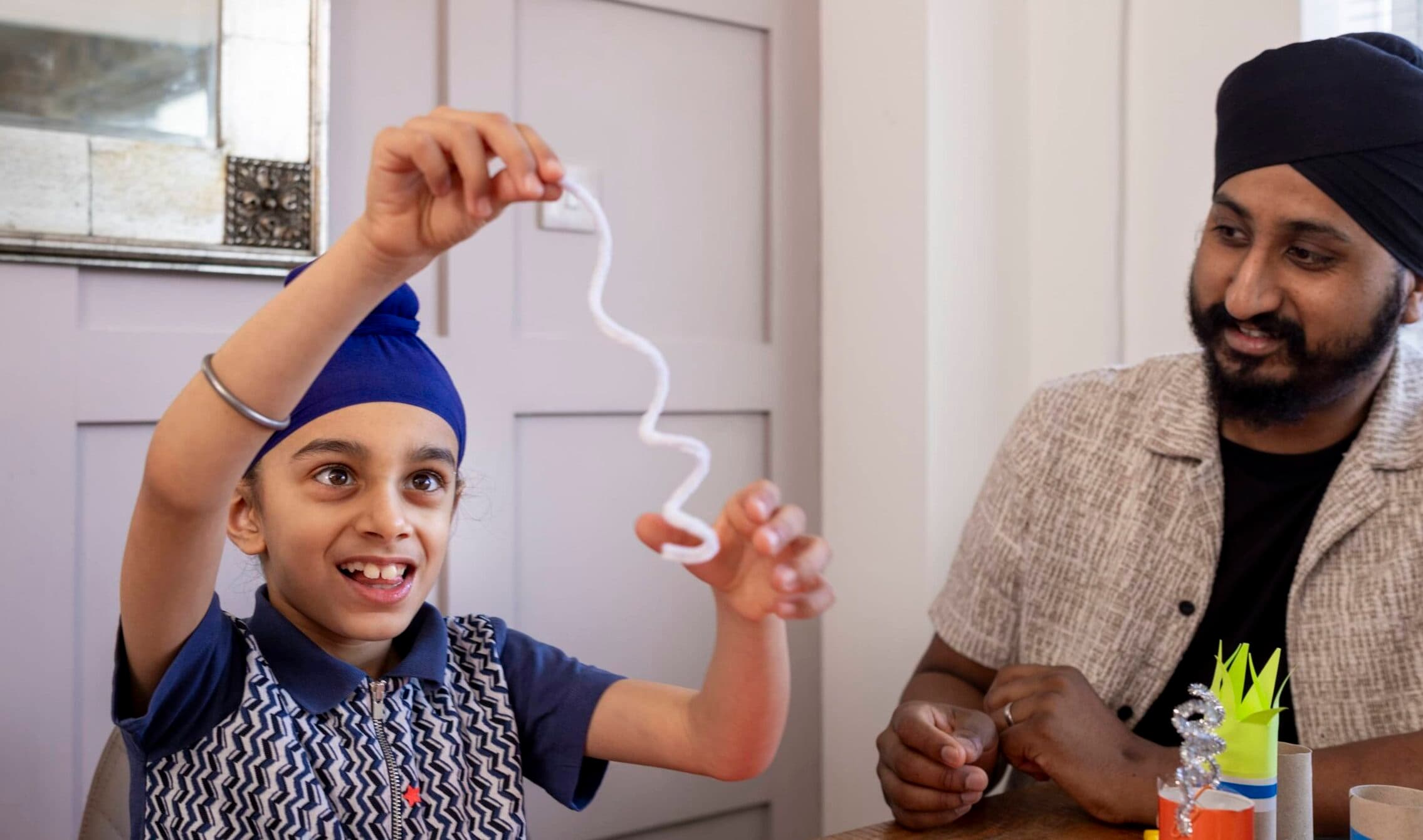
Tinker – Playgroup Guide
You can use or adapt this playgroup structure to maximize playful learning about STEAM concepts during your playgroup. Be sure to also visit the Tinker collection to download the accompanying Family Activity Sheets. This playgroup guide includes:
 EducatorGuide
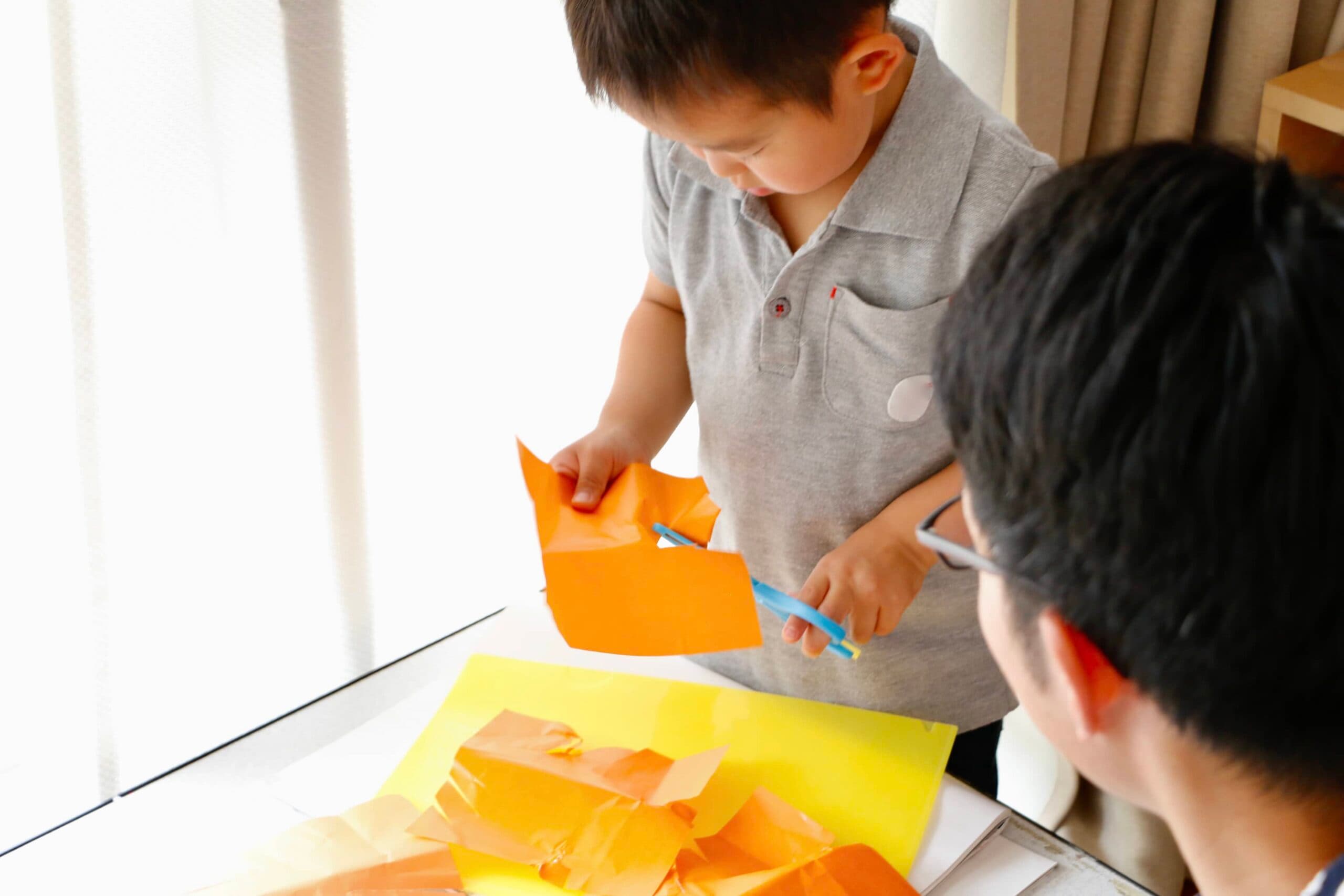
Tinker – Educator Guide
Tinker is a set of resources designed to support educators and caregivers in engaging young children with hands-on STEAM learning. Encouraging children to tinker gives them the skills to be creative problem solvers out in the world. Tinkerers make great discoveries, small and large. Children who are encouraged from an early age to tinker and […]
For Caregivers
People are natural tinkerers. It is human nature to explore and create things. A wide variety of activities can be considered tinkering. Playing around with a recipe, fixing something that is broken, and making a gift for a friend are all examples of tinkering. Because tinkering can include discovering, making things, and solving problems, it often leads to a sense of accomplishment.
Tinkering often starts with simple questions:
“What can I do with this?”
“How does this work?”
At its core, tinkering begins with … problem solving and a curiosity about how something works. When children are encouraged to solve problems on their own, they learn a great deal through questions and hands-on experiments that lead to a solution. Even preverbal children pose questions and identify problems—think of a baby who works hard to grasp an out-of-reach toy. p. XII
For Educators
Why Tinker?
Encouraging children to tinker gives them the skills to be creative problem solvers out in the world. Tinkerers make great discoveries, small and large. Children who are encouraged from an early age to tinker and solve their own problems develop a different way of thinking about the world. They understand experimentation, testing, and failing. And a child who tinkers:
- Does not give up easily when a challenge gets difficult
- Thinks creatively
- Is self-sufficient
- Can fix things that have broken
- Is a creative problem solver across a range of issues
Download the Tinker Educator Guide
This unique resource supports young children’s exploration of tinkering, making, and engineering in early childhood settings. Through active investigation and inspired play, we aim to build the life skills that will guide leaders of the future. The Tinker activities use everyday materials like scissors, paper, and egg cartons to build the early STEAM skills and habits of mind that will serve our youngest learners throughout their lives.
The 12 activities in this guide are designed to help children gain practice with all of these traits. When children tinker, they are learning about the properties of materials and the capabilities of tools. They are also developing their fine motor skills. Sometimes, tinkering is just exploring, and sometimes it leads to making something (to do a job or just for fun). It is absolutely the foundation to more complex engineering practices.
Download the Tinker Playgroup Guide
Looking to provide STEAM playgroups based on the Tinker resource? Download this guide for educators!
What’s included in this guide? This outline offers general tips on leading playgroups around STEAM learning with 3 to 6 year-olds and their caregivers, as well as some specific ideas for each of the six Tinker sessions. Please feel free to adapt the materials and ideas in the ways that work best for you and your families.
Important! You will also need the six Tinker Family Activity Sheets to facilitate this playgroup.
Download the Activity Sheets
The Tinker Family Activity Sheets include unique opportunities to launch and expand on early STEAM learning experiences with young children!
About this Collection
For Caregivers
People are natural tinkerers. It is human nature to explore and create things. A wide variety of activities can be considered tinkering. Playing around with a recipe, fixing something that is broken, and making a gift for a friend are all examples of tinkering. Because tinkering can include discovering, making things, and solving problems, it often leads to a sense of accomplishment.
Tinkering often starts with simple questions:
“What can I do with this?”
“How does this work?”
At its core, tinkering begins with … problem solving and a curiosity about how something works. When children are encouraged to solve problems on their own, they learn a great deal through questions and hands-on experiments that lead to a solution. Even preverbal children pose questions and identify problems—think of a baby who works hard to grasp an out-of-reach toy. p. XII
For Educators
Why Tinker?
Encouraging children to tinker gives them the skills to be creative problem solvers out in the world. Tinkerers make great discoveries, small and large. Children who are encouraged from an early age to tinker and solve their own problems develop a different way of thinking about the world. They understand experimentation, testing, and failing. And a child who tinkers:
- Does not give up easily when a challenge gets difficult
- Thinks creatively
- Is self-sufficient
- Can fix things that have broken
- Is a creative problem solver across a range of issues
Download the Tinker Educator Guide
This unique resource supports young children’s exploration of tinkering, making, and engineering in early childhood settings. Through active investigation and inspired play, we aim to build the life skills that will guide leaders of the future. The Tinker activities use everyday materials like scissors, paper, and egg cartons to build the early STEAM skills and habits of mind that will serve our youngest learners throughout their lives.
The 12 activities in this guide are designed to help children gain practice with all of these traits. When children tinker, they are learning about the properties of materials and the capabilities of tools. They are also developing their fine motor skills. Sometimes, tinkering is just exploring, and sometimes it leads to making something (to do a job or just for fun). It is absolutely the foundation to more complex engineering practices.
Download the Tinker Playgroup Guide
Looking to provide STEAM playgroups based on the Tinker resource? Download this guide for educators!
What’s included in this guide? This outline offers general tips on leading playgroups around STEAM learning with 3 to 6 year-olds and their caregivers, as well as some specific ideas for each of the six Tinker sessions. Please feel free to adapt the materials and ideas in the ways that work best for you and your families.
Important! You will also need the six Tinker Family Activity Sheets to facilitate this playgroup.
Download the Activity Sheets
The Tinker Family Activity Sheets include unique opportunities to launch and expand on early STEAM learning experiences with young children!
Tinker Collection: 8 items
Resources in the Tinker collection
CaregiverActivityBalls and Ramps
Tinkering is about exploring and problem solving using materials and tools. Tinkering often starts with simple questions, like “What can I do with this?” or “How does this work?” The Balls and Ramps activity is especially good for children to practice using materials in creative ways and experiment with different ways of solving problems. Getting […]
CaregiverActivityBoats Afloat
Make a simple boat by changing the shape of a material and see how much your boat can carry.
CaregiverActivityCardboard Worlds
The Cardboard Worlds activity is especially good for children to develop their independent thinking skills and explore their creativity.
CaregiverActivityCup Creations
The Cup Creations activity is especially good for children to develop persistence and practice finding multiple solutions to a challenge.
CaregiverActivityExploring Ice
The Exploring Ice activity is especially good for children to deepen their curiosity and practice doing things their own way.
CaregiverActivityWind Races
The Wind Races activity is especially good for children to practice staying focused and deepen their curiosity.
EducatorGuideTinker – Playgroup Guide
You can use or adapt this playgroup structure to maximize playful learning about STEAM concepts during your playgroup. Be sure to also visit the Tinker collection to download the accompanying Family Activity Sheets. This playgroup guide includes:
EducatorGuideTinker – Educator Guide
Tinker is a set of resources designed to support educators and caregivers in engaging young children with hands-on STEAM learning. Encouraging children to tinker gives them the skills to be creative problem solvers out in the world. Tinkerers make great discoveries, small and large. Children who are encouraged from an early age to tinker and […]