Resource Hub
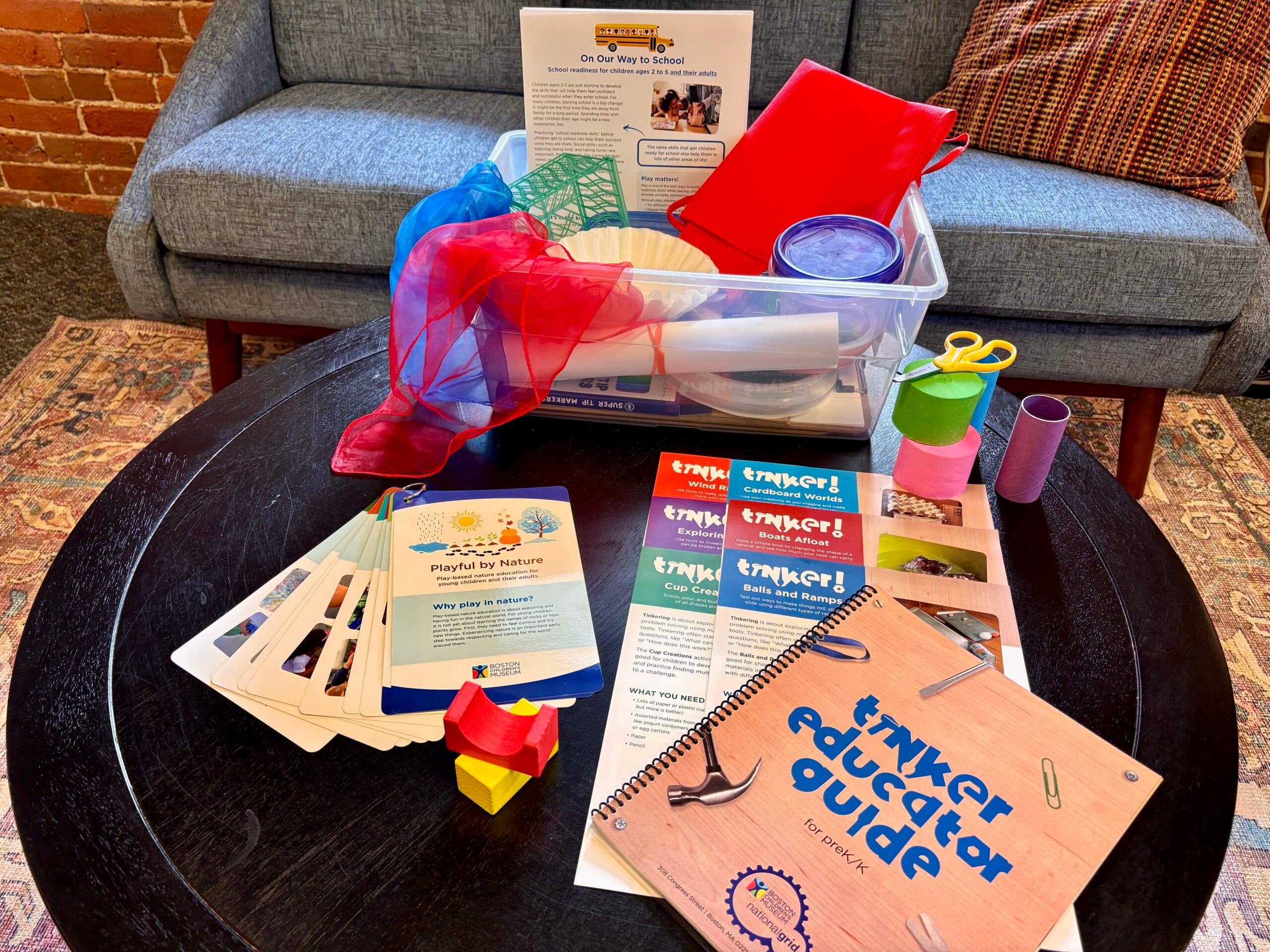
Explore Boston Children’s Museum’s Resource Hub for educators, parents, and caregivers. The Museum is here to help you support children as they learn, play, and grow at home, in school, or your community. These resources bring Boston Children’s Museum’s hands-on, exploratory, and playful approaches to learners everywhere.
Use the filter tool to refine your search by audience, age, subject, or language. Or, search resources by keyword with the search bar.
Are you an Educator?
Stay up-to-date on our latest offerings.
Collections and resources
74 items







 CaregiverActivity
Infant Me, You, We
Infants are learning about themselves and the world around them through their caregivers. Social-emotional learning involves learning to understand and manage feelings, follow directions, take turns, solve problems, and learn about others.
 CaregiverActivity
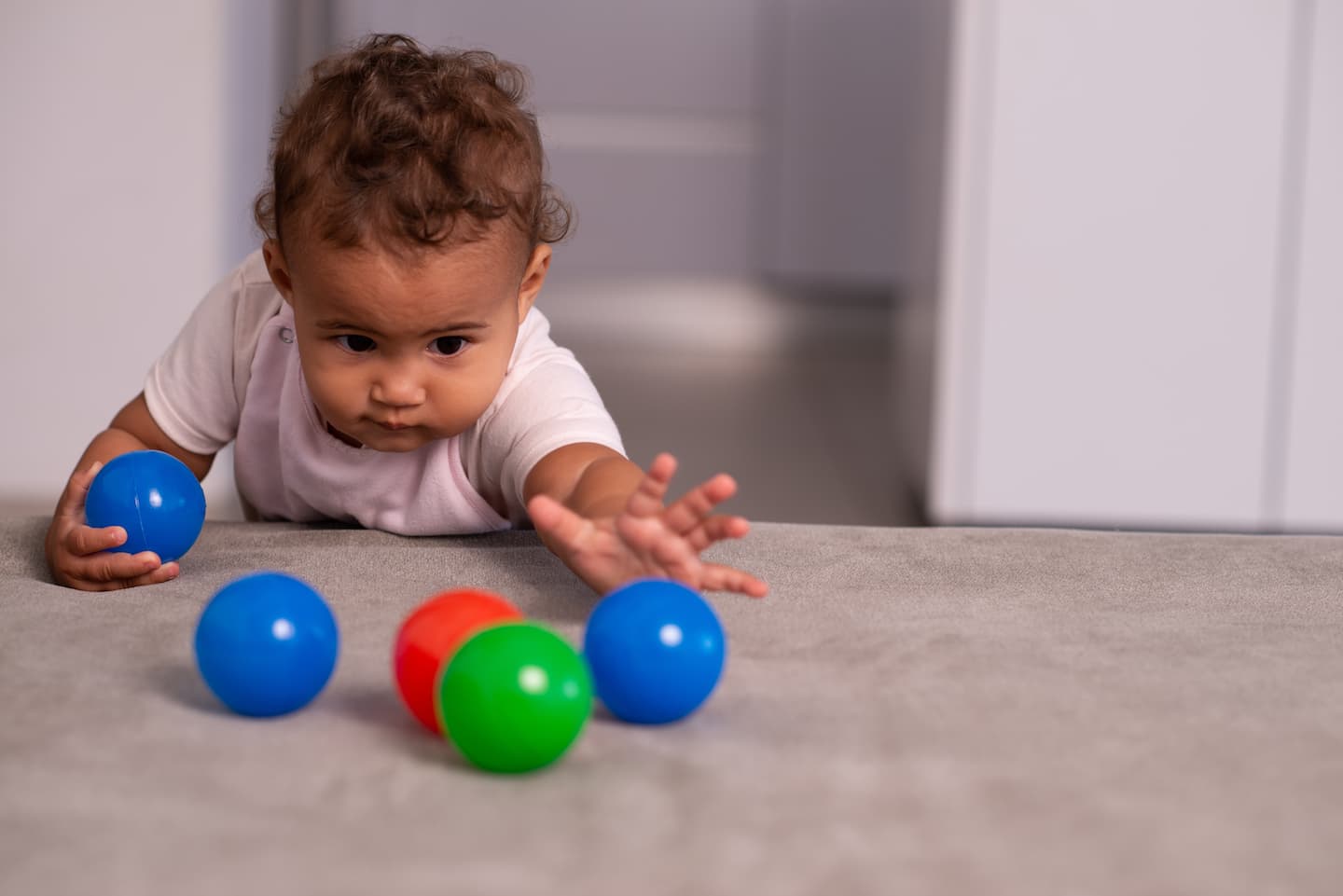
Infant Tools for Tiny Hands
Fine motor skills are the ability to make small movements with the fingers, hands, and wrists. Babies need lots of time and practice to develop the muscle strength for these skills.
 EducatorGuide
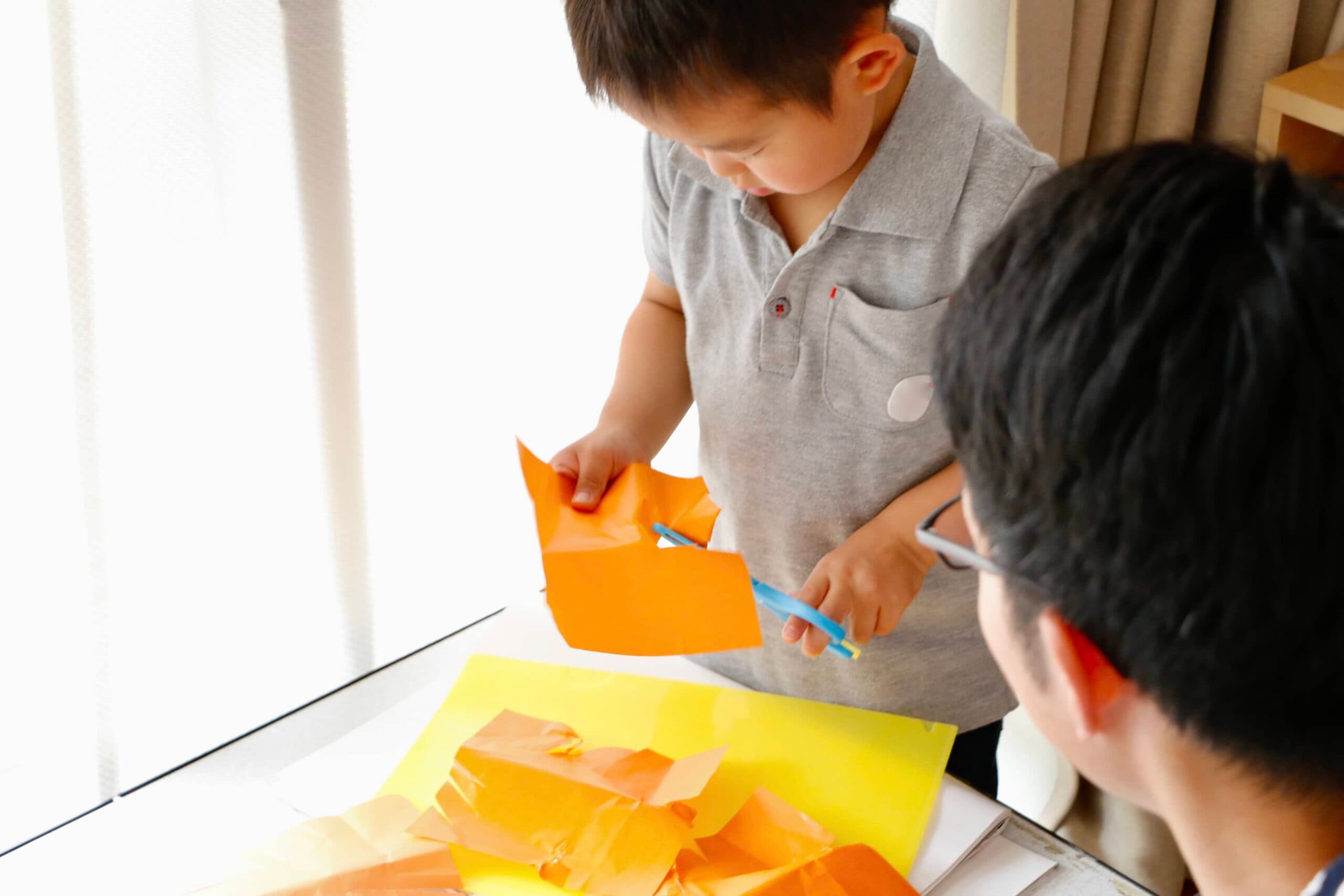
Tinker – Educator Guide
Tinker is a set of resources designed to support educators and caregivers in engaging young children with hands-on STEAM learning. Encouraging children to tinker gives them the skills to be creative problem solvers out in the world. Tinkerers make great discoveries, small and large. Children who are encouraged from an early age to tinker and […]
 EducatorGuide
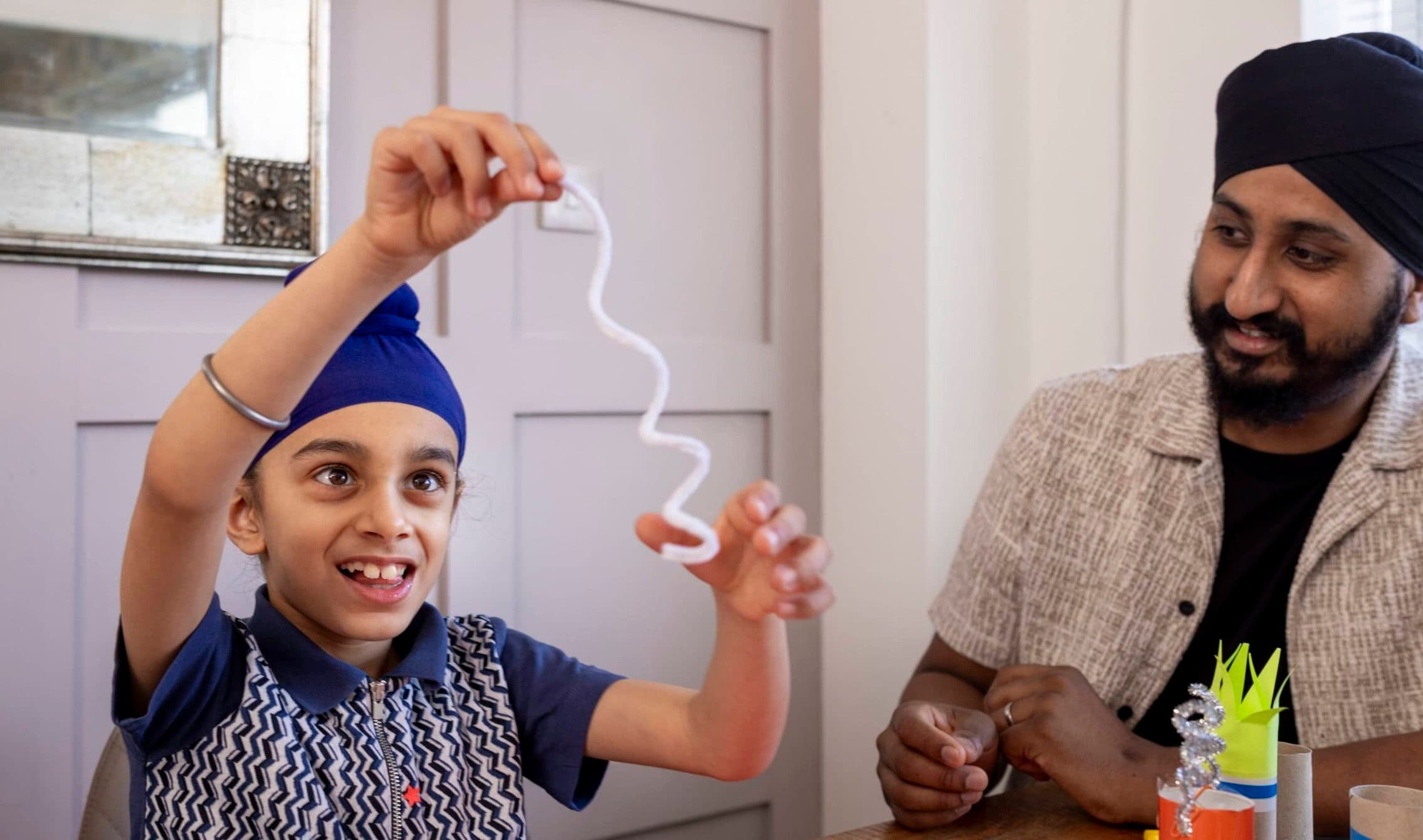
Tinker – Playgroup Guide
You can use or adapt this playgroup structure to maximize playful learning about STEAM concepts during your playgroup. Be sure to also visit the Tinker collection to download the accompanying Family Activity Sheets. This playgroup guide includes:
 EducatorGuide
Math Everywhere – Playgroup Guide
You can use or adapt this playgroup structure to maximize playful learning about early math during your playgroup. Be sure to also visit the Math Everywhere collection to download the accompanying Family Activity Sheets. This playgroup guide includes:
 CaregiverActivity
Touch, Point, and Turn
Books get minds and fingers moving. Holding a book, turning a page, pointing to a picture, and tracing a shape with a finger are all good ways of practicing fine motor coordination and control.
 CaregiverActivity
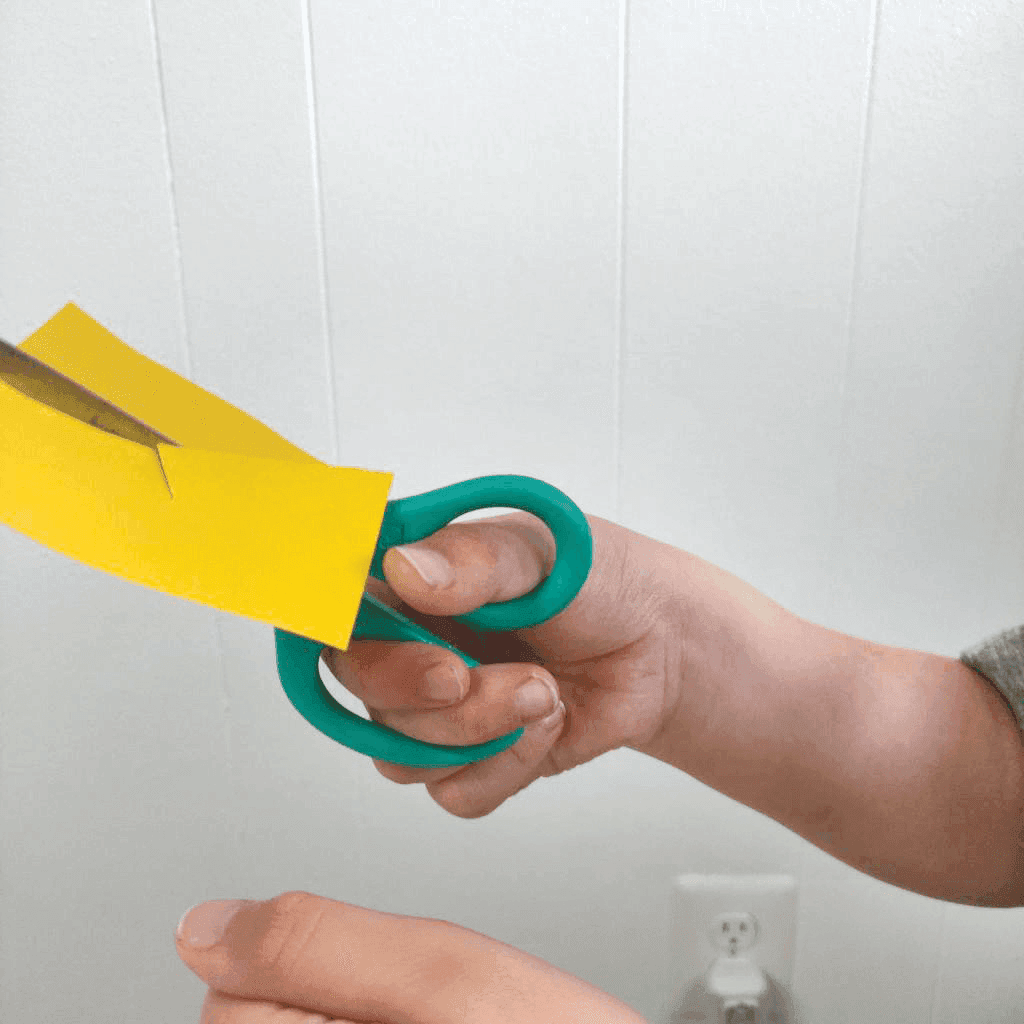
Ready, Steady, Cut
Learning to use scissors can be scary for parents and caregivers, but fun and engaging for little ones. Children should build and practice their scissors skills over time.
 CaregiverActivity
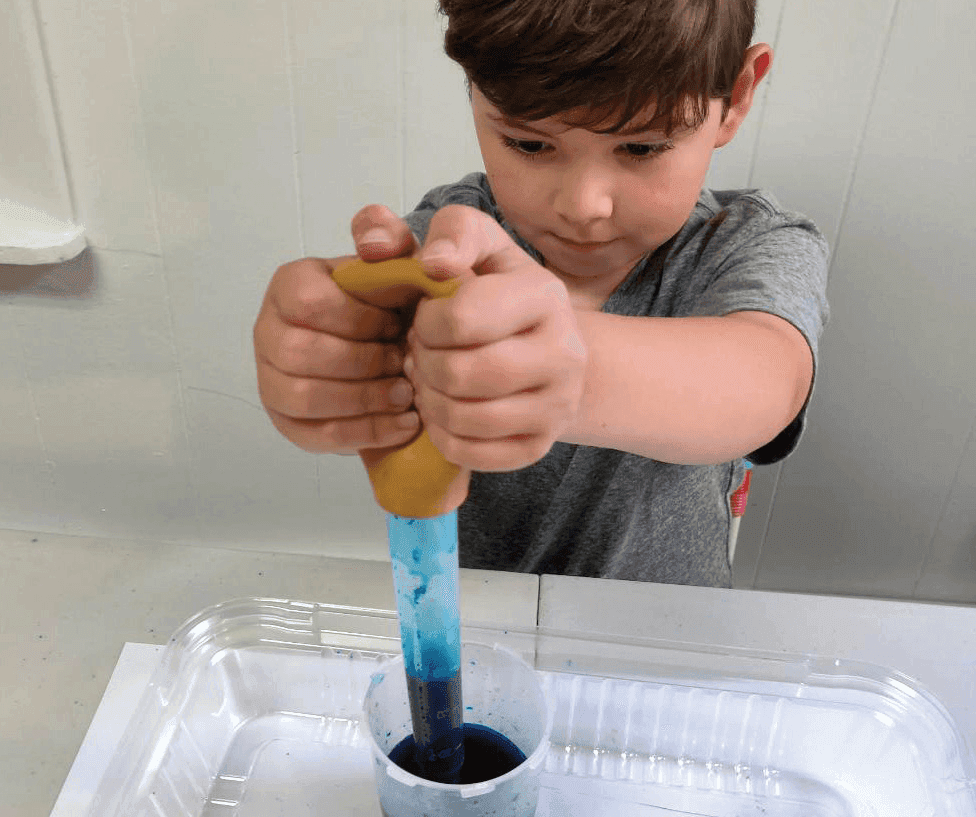
Squeeze It
Turkey basters and eye droppers are perfect tools for practicing fine motor skills. They are also great for learning to focus and look closely at something.
 CaregiverActivity
Stack Them Up, Knock Them Down!
Cups of all shapes and sizes can keep your child busy for longer than you might think. Each of these activities builds coordination and control in your
child’s hand muscles.
 CaregiverActivity
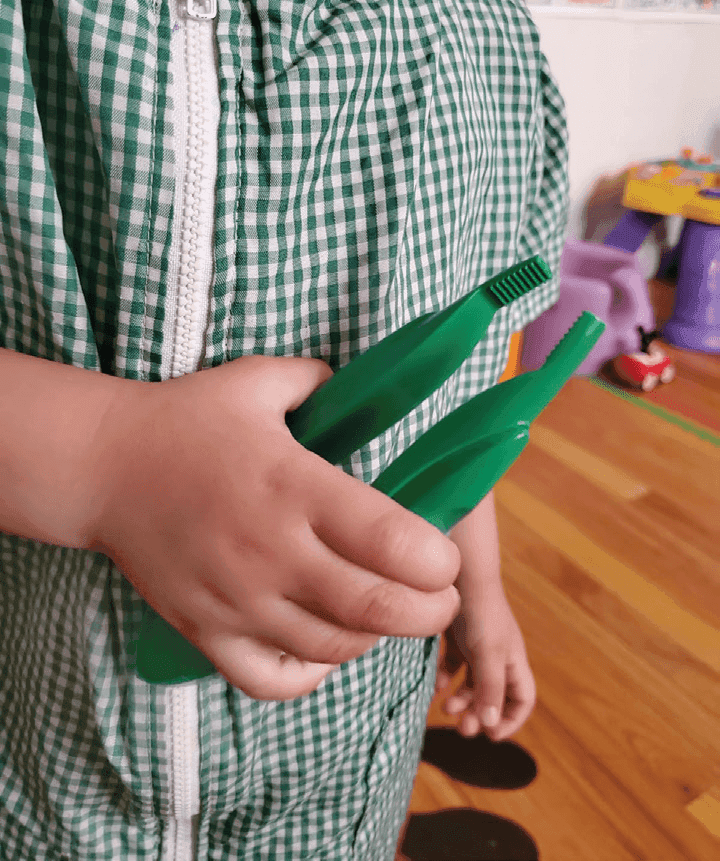
Pick It Up
Fingers and tweezers do similar jobs. They both help to pick things up. Using tweezers takes lots of control and hand-eye coordination.
 CaregiverActivity
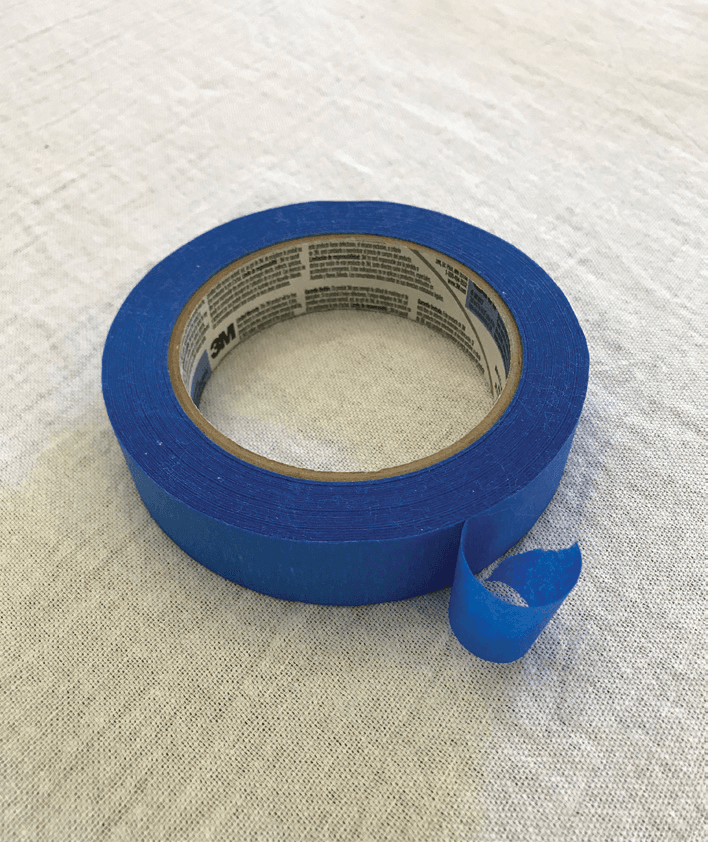
Peel, Rip, and Stick
Tape and stickers are excellent tools for practicing small movements such as peeling, ripping and sticking.