Pick It Up
Using Tweezers with Tiny Hands
Fingers and tweezers do similar jobs. They both help to pick things up. Using tweezers takes lots of control and hand-eye coordination.
- Audience
- Caregiver
- Subject
- Fine Motor Skill Development
- Age
- KindergartenPre-KPreschoolToddler
- Languages
- EnglishSpanish
- Materials
- Paper, plastic cup, plastic straws, popsicle sticks, tape, tweezers, yarn
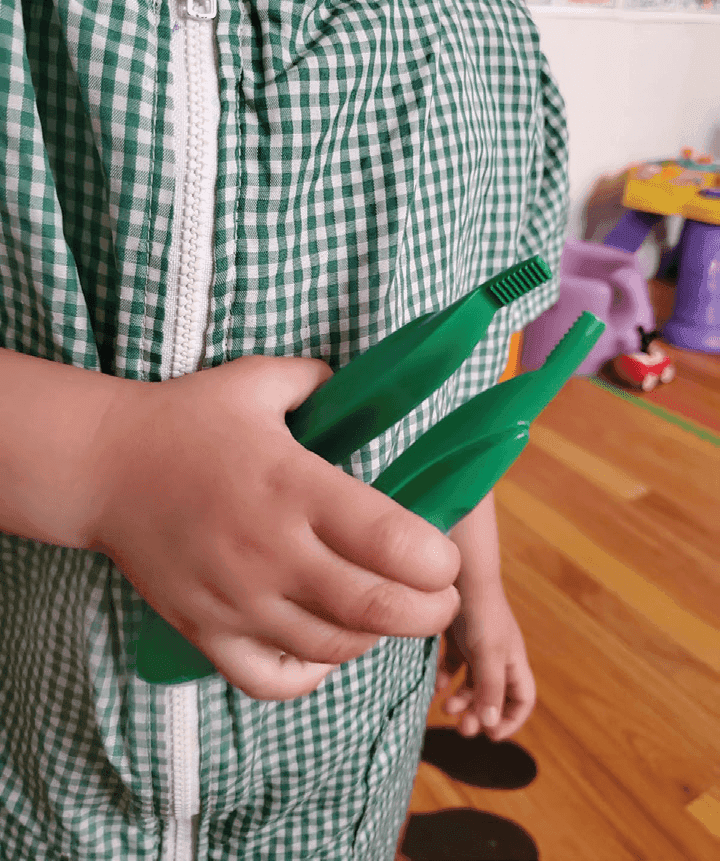
The Basics
Help your child learn to use tweezers. Reminders are always helpful, show them how to:
- Hold their fingers or hand to grasp both sides of the tool.
- Open and close their fingers or hands to open and close the tweezers.
Tool Tips
Tweezers are a tool, not a toy. They can hurt if they are used to pinch someone. They should never go in eyes, ears, or noses. Remind children not to run while holding tweezers. Talk about using the tool to pick up objects, not siblings!
Things to Try with 2 to 3-Year Olds
Pick it up. Have your child help you rip a piece of paper into smaller pieces of different sizes. Work together to crumple up some pieces into balls. Leave a few pieces flat for a harder challenge. Encourage your child to use tweezers to pick up each piece and drop it into a plastic cup.
From here to there. Set out the crumpled and flat pieces of paper again. Add some yarn (at least 12 inches long), some plastic straws, and a plate. Invite your child to pick up the objects with the tweezers and move them onto the plate. Once they are done, dump them all out and start again.
Color connection. Work together to cut out small pieces of paper. Color each piece of paper to match the colors of the popsicle sticks. Drop a bunch of popsicle sticks into a pile. Encourage your child to pick up each popsicle stick with the tweezers and put it on the matching colored paper.
Things to Try with 3 to 5-Year Olds
Moving targets. Fill a large bowl with some water (or try this together during bath time). Have your child add some plastic straws to the water. Invite them to use the tweezers to pick up the floating straws. Bring the bowl outside and find some leaves to float and catch. For all water activities, make sure you supervise your child and empty the water when you’re done.
Stack it. Lay out some crumpled paper, plastic cups, popsicle sticks, and more. Invite your child to pick each one up with the tweezers and stack them on top of each other. How tall can they go before their tower falls over?
Spider web. Put small toys or crumpled pieces of paper in a shallow bowl. Make sure the tweezers can easily reach the bottom. Wrap some yarn around the bowl but leave space for the tweezers to go through. (You might want to tape the yarn
to the sides, so it does not move.) Encourage your child to use the tweezers to pull out the materials between the yarn without moving it.
Things to Say
“You almost got it! Try again. ”
“That's okay. Take your time. ”
“Wow! I can see that you're trying hard to pick it up. ”
Related Resources
 CaregiverActivity
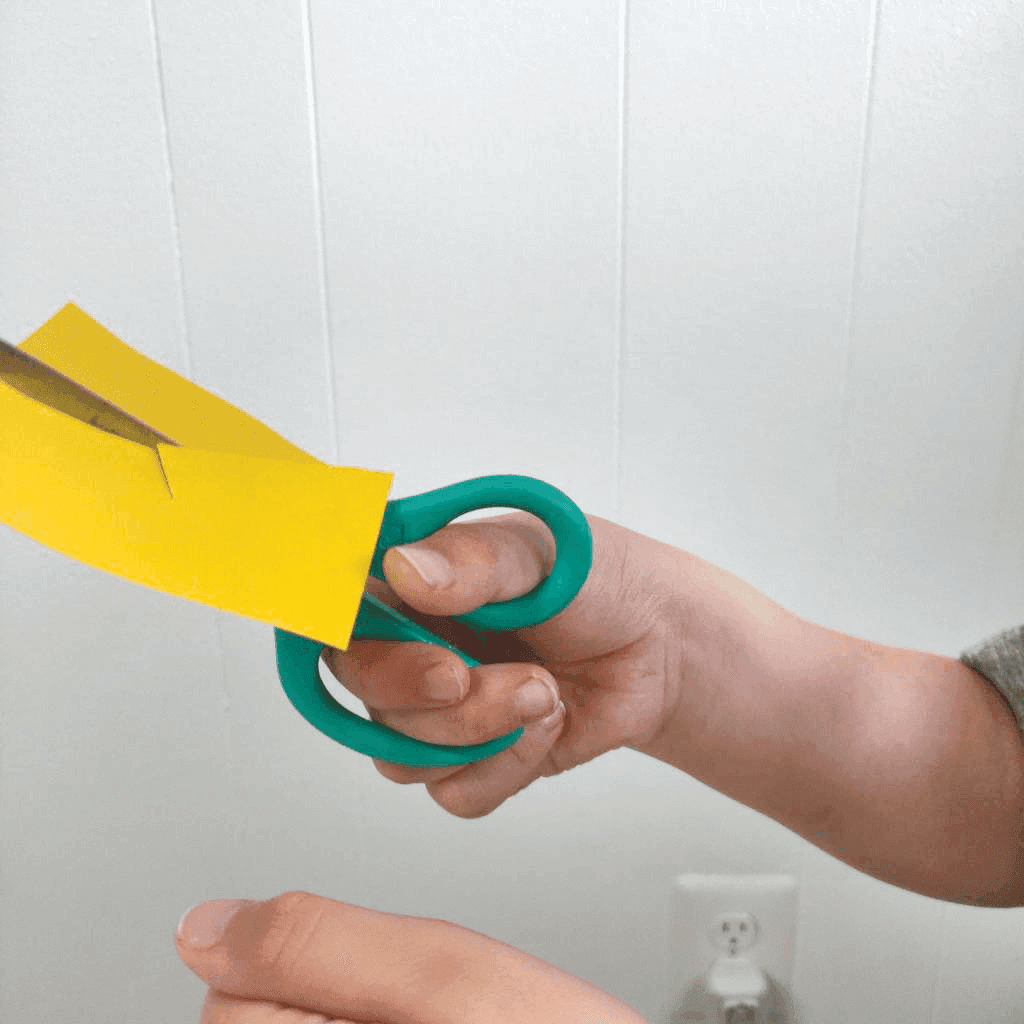
Ready, Steady, Cut
 CaregiverActivity
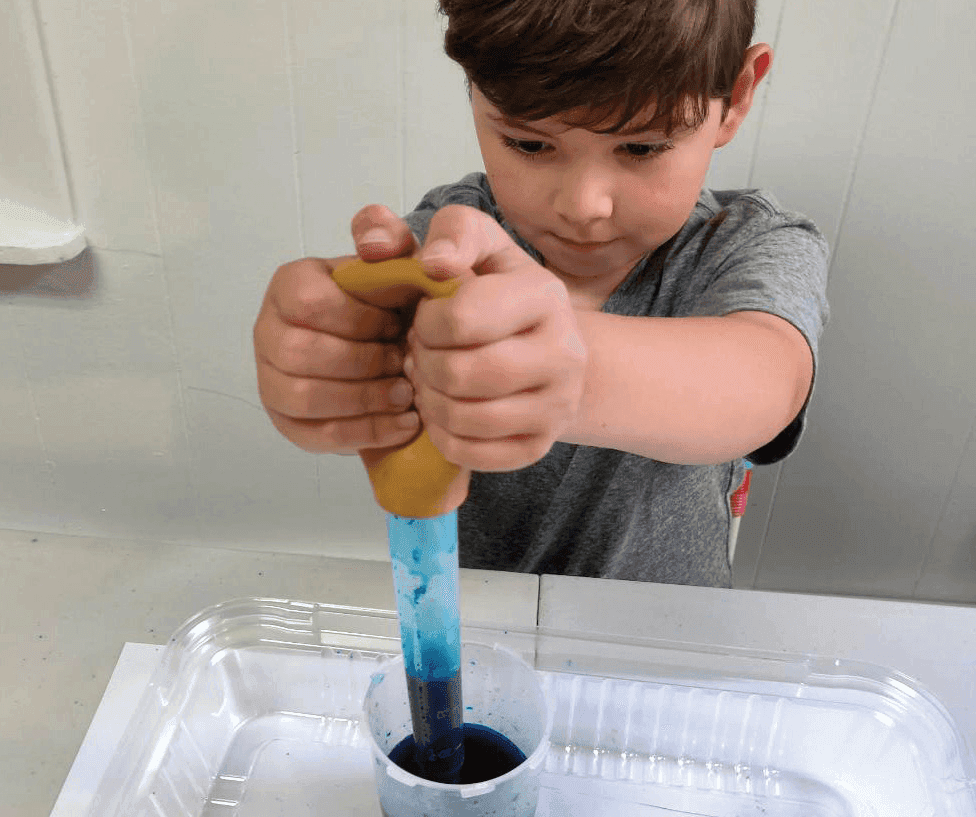
Squeeze It
Turkey basters and eye droppers are perfect tools for practicing fine motor skills. They are also great for learning to focus and look closely at something.
 CaregiverActivity
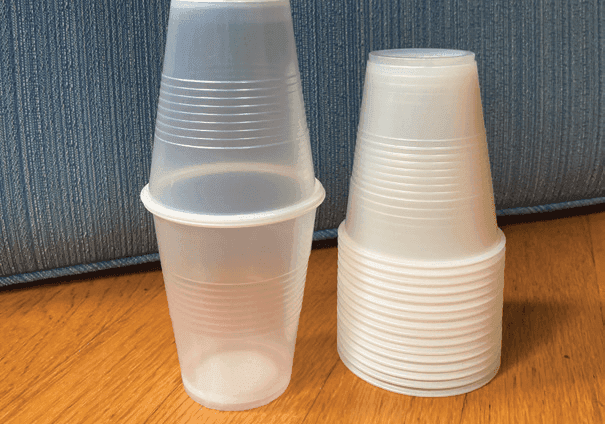
Stack Them Up, Knock Them Down!
Cups of all shapes and sizes can keep your child busy for longer than you might think. Each of these activities builds coordination and control in your
child’s hand muscles.
 CaregiverActivity
Peel, Rip, and Stick
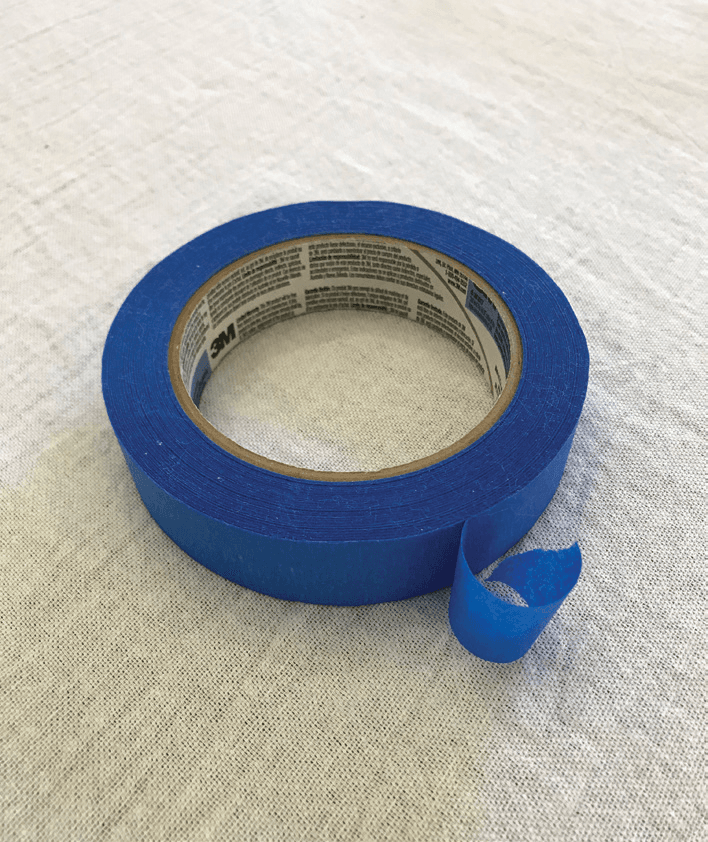
Tape and stickers are excellent tools for practicing small movements such as peeling, ripping and sticking.
 CaregiverActivity
Swirl, Mix, and Dot
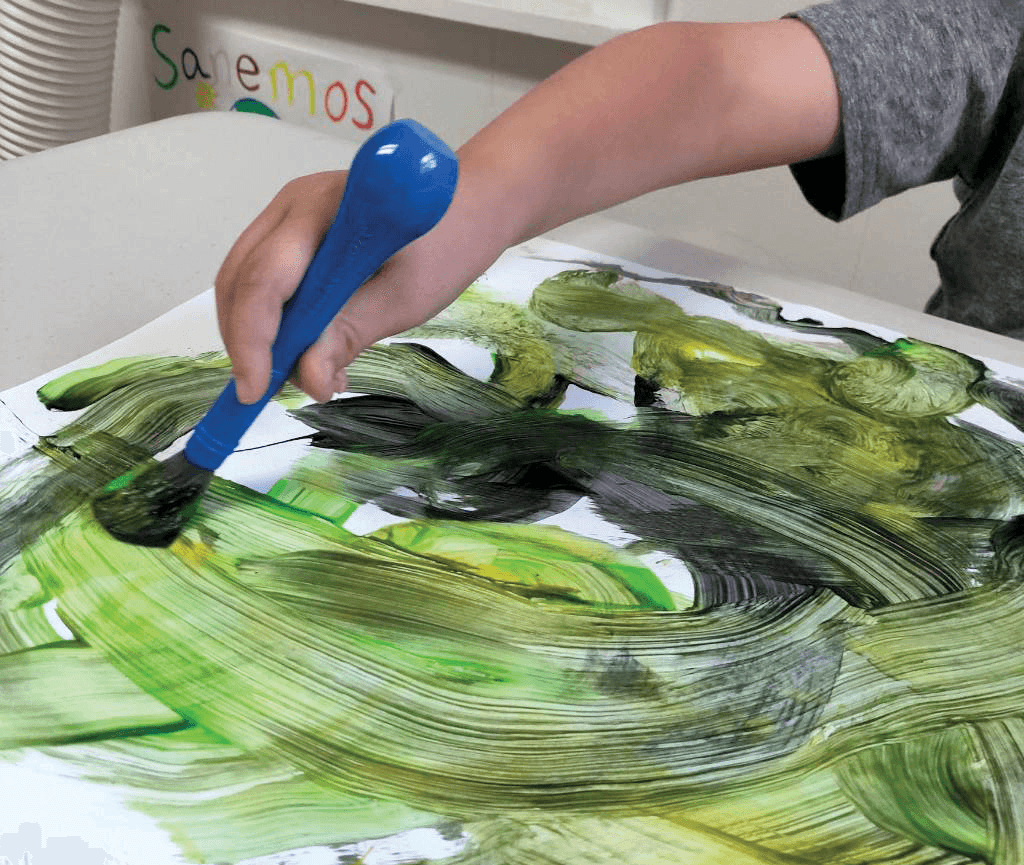
Painting is creative and can be relaxing for children. It also builds fine motor control and coordination.
 CaregiverActivity
Touch, Point, and Turn
 CaregiverActivity
Snip, Stick, Scribble!
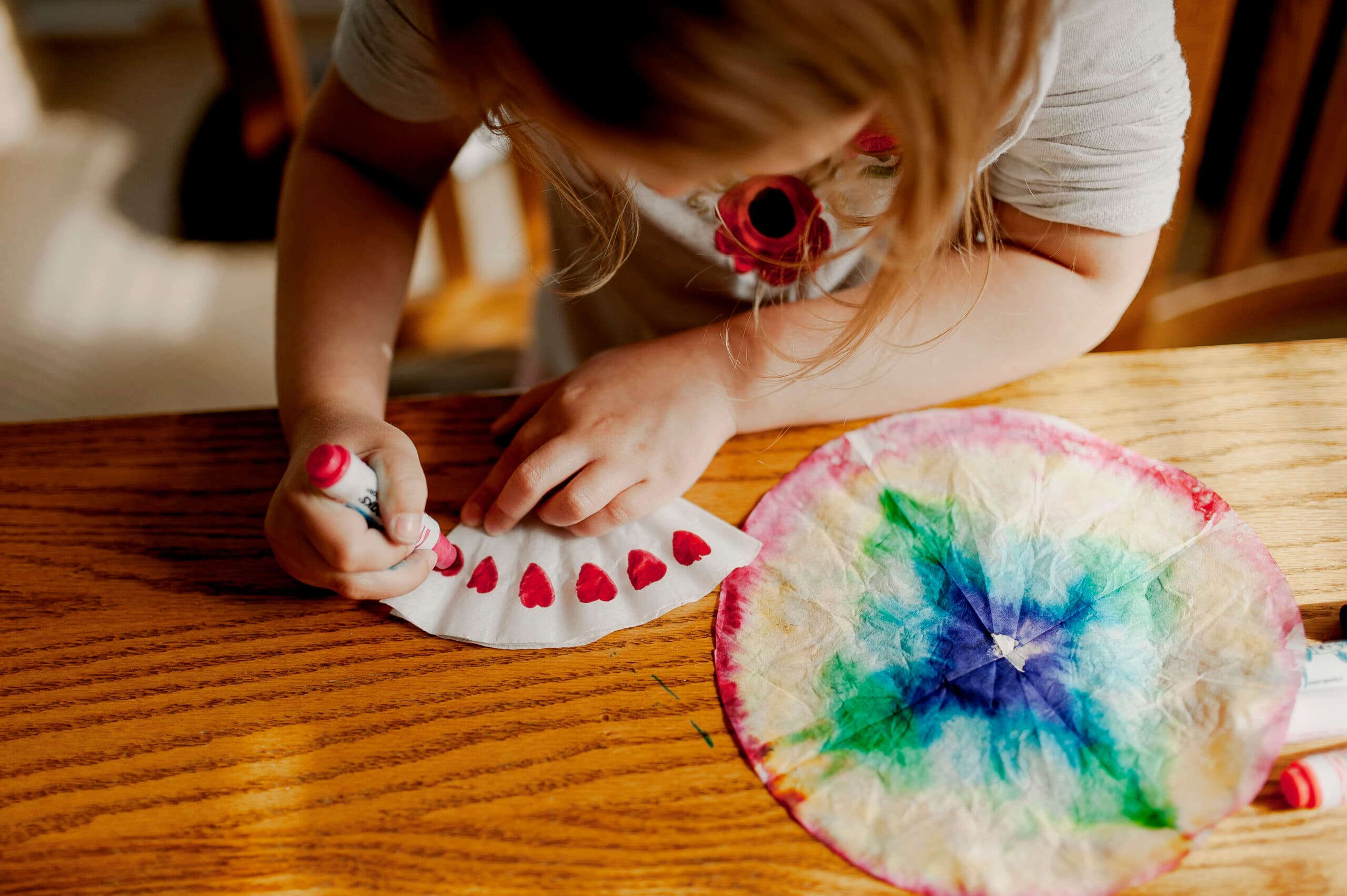
In school, children do lots of activities. They write, draw, paint, and build with different materials. As children do these things, they use tools–scissors to cut paper, paintbrushes to mix colors, and pencils to write letters and numbers.
 CaregiverActivity
I Can Do It
At home, children can often get one-on-one help with what they need. At school, teachers have many children to care for and may not be able to assist right away. This is why it is important for children to learn to do tasks like zip jackets, put on shoes, and open snack containers. These everyday tasks use fine motor skills—small movements of the fingers, hands, and wrists.