Ready, Steady, Cut
Using Scissors with Tiny Hands
Learning to use scissors can be scary for parents and caregivers, but fun and engaging for little ones. Children should build and practice their scissors skills over time.
- Audience
- Caregiver
- Subject
- Fine Motor Skill Development
- Age
- KindergartenPre-KPreschoolToddler
- Languages
- ArabicBrazilian PortugueseCape VerdeanEnglishFrenchHaitian CreoleRussianSimplified ChineseSpanishVietnamese
- Materials
- Cotton swabs, crayons, dot stickers, glue, paper, playdough, playdough scissors, tape, thick paper, tweezers
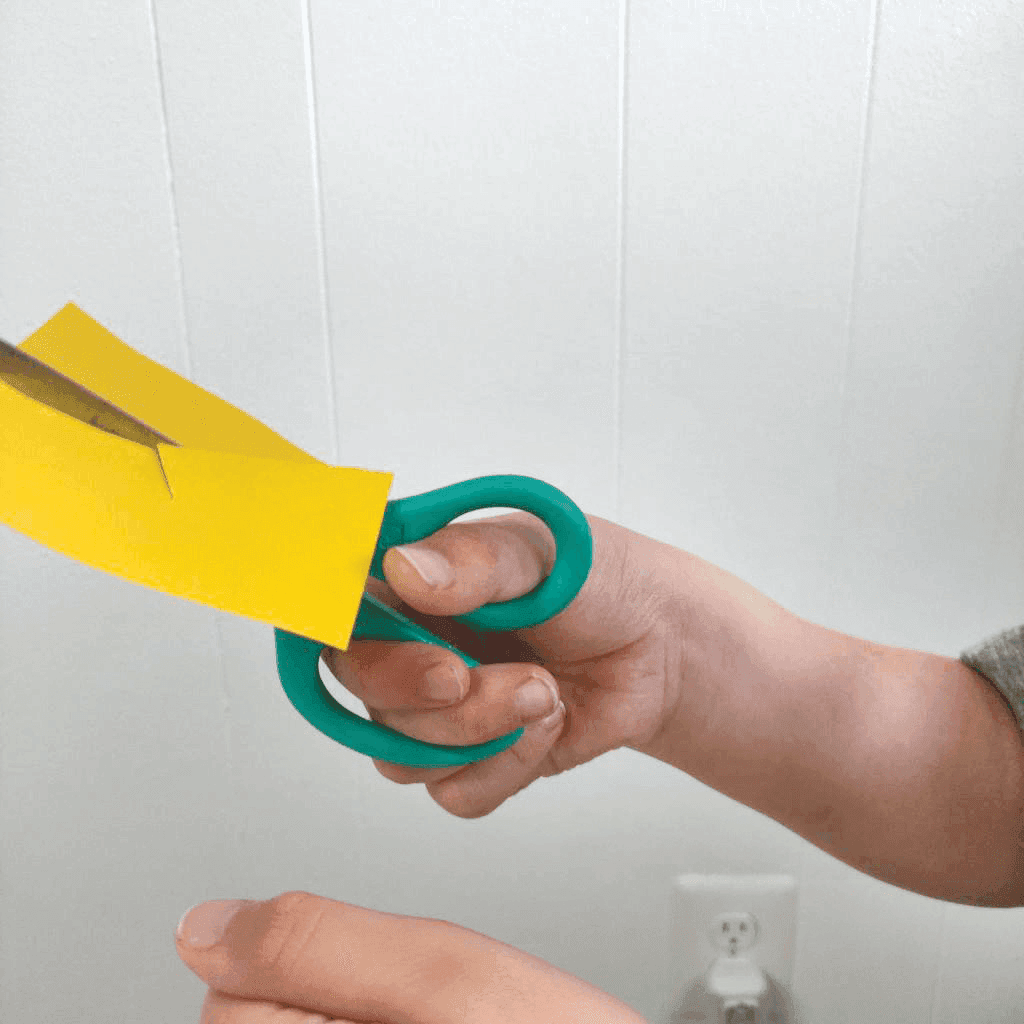
Before using scissors, children need to develop strong fingers and good hand-eye coordination. Support pre-scissors skills by having your child: Tear paper. Play with playdough. Paint with cotton swabs. Pick up objects with tweezers. Practice finger play songs, like “The Itsy-Bitsy Spider.”
The Basics
Help your child learn how to use this tool. Show them how to:
- Place their thumb into the top loop.
- Slide their pointer and middle fingers into the long bottom loop.
- Loosely rest their remaining fingers outside the bottom loop to support the scissors.
- Use their other hand to hold whatever they are cutting.
- Open and close the scissors to make cuts.
Tool Tips
Scissors are a tool, not a toy. Children should never walk or run with scissors. Talk about what is okay to put (paper, playdough), and what is not okay to cut (clothes, hair). Start with plastic playdough scissors. Then, try paper scissors (only when you and your child are ready).
Things to Try with 2 to 3-Year-Olds
Playdough pieces. Your child can practice early cutting skills with playdough scissors. Roll some playdough into a long “snake.” They can use the scissors to cut the long piece into short pieces.
Playdough snips. Squish the playdough into a pancake. Encourage your child to use the playdough scissors to make little snips at the edge of the pancake towards the center. They can try snipping thicker pancakes and thinner pancakes.
Paper snips. When your child is ready, introduce the paper scissors. Cut a circle out of thick paper. Show your
child how to hold the circle and use the paper scissors to make little snips at the edge of the paper towards the center. They can snip all the way around the edge to create a fringe (like a lion’s mane or flower petals). Give them crayons to draw on the finished shape.
Things to Try with 3 to 5-Year Olds
Follow the line. On a sheet of paper, draw a wide, straight line from the top to the bottom. Show your child how to cut down the line. They can try it with a thinner line. A curved line. A zig-zag line. Or a line they draw themselves.
Basic shapes. Draw three basic shapes on paper (square, circle, and triangle). Ask your child to cut them out. Don’t worry if the shapes don’t come out perfectly. They can use glue or tape to make a collage with the cuttings.
Sticker cutouts. Let your child put some dot stickers onto a piece of paper. Encourage them to cut between the stickers until they are free from each other. Then, they can use glue or tape to add the dots to their collage.
Things to Say
“Take your time. Scissors are tricky. ”
“What would you like to cut? ”
“Wow! I can see that you're trying hard to practice cutting.”
Related Resources
 CaregiverActivity
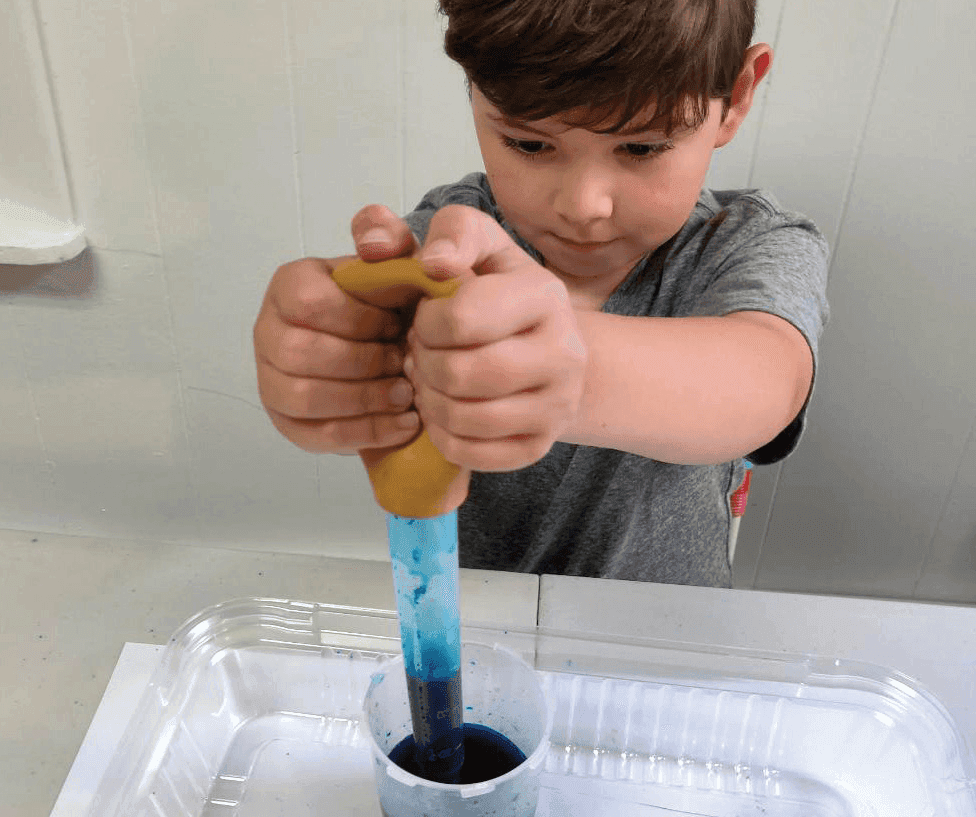
Squeeze It
Turkey basters and eye droppers are perfect tools for practicing fine motor skills. They are also great for learning to focus and look closely at something.
 CaregiverActivity
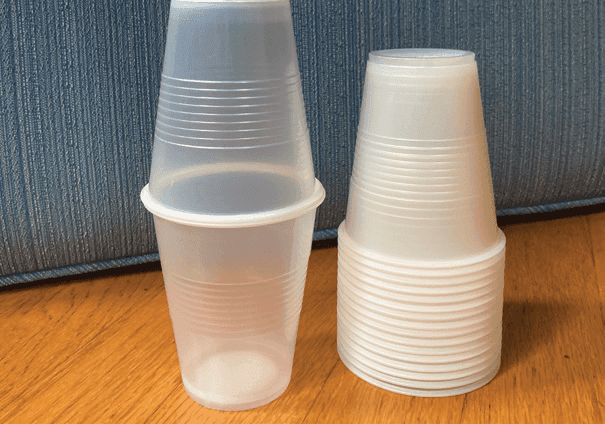
Stack Them Up, Knock Them Down!
Cups of all shapes and sizes can keep your child busy for longer than you might think. Each of these activities builds coordination and control in your
child’s hand muscles.
 CaregiverActivity
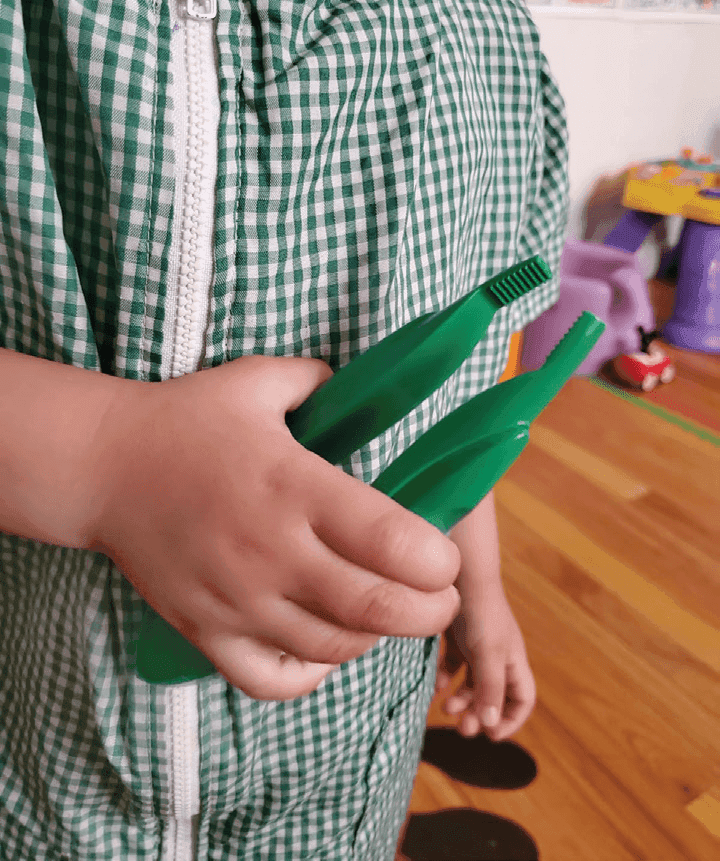
Pick It Up
Fingers and tweezers do similar jobs. They both help to pick things up. Using tweezers takes lots of control and hand-eye coordination.
 CaregiverActivity
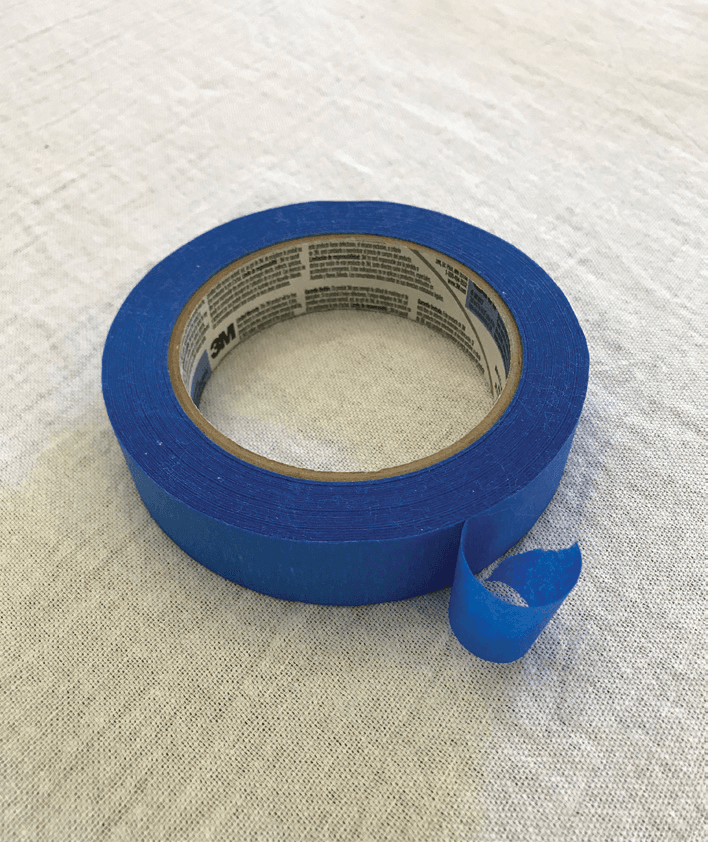
Peel, Rip, and Stick
Tape and stickers are excellent tools for practicing small movements such as peeling, ripping and sticking.
 CaregiverActivity
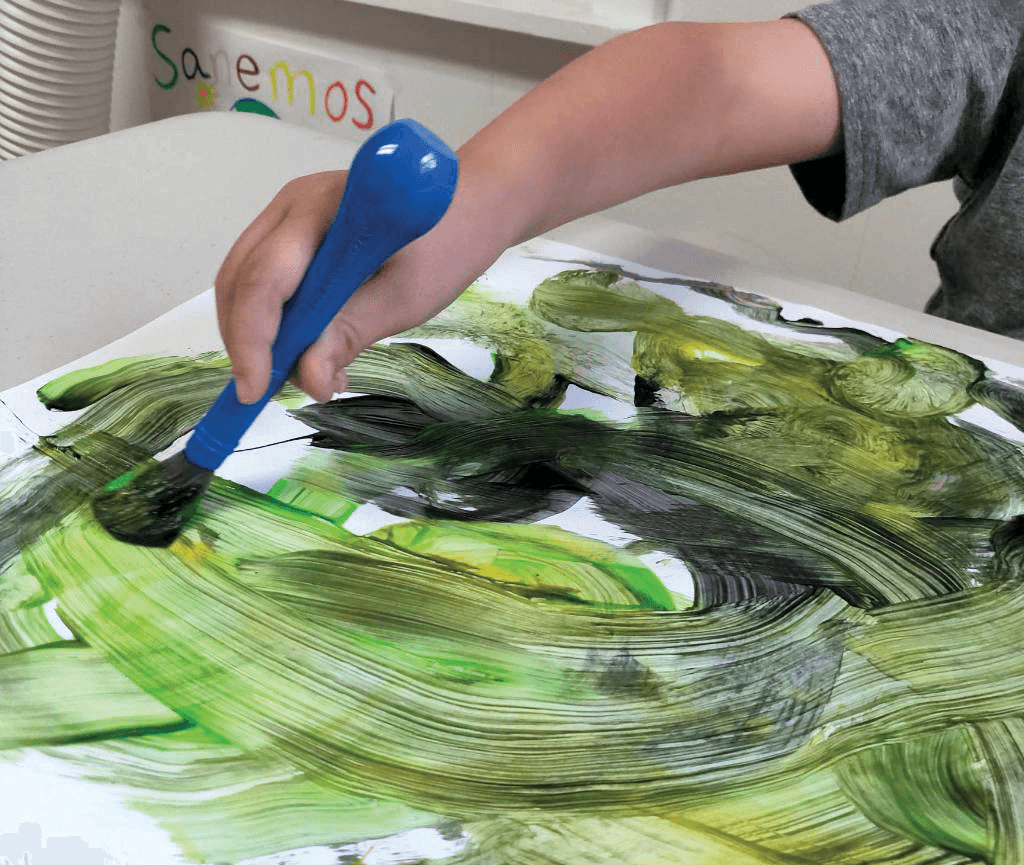
Swirl, Mix, and Dot
Painting is creative and can be relaxing for children. It also builds fine motor control and coordination.
 CaregiverActivity
Touch, Point, and Turn
Books get minds and fingers moving. Holding a book, turning a page, pointing to a picture, and tracing a shape with a finger are all good ways of practicing fine motor coordination and control.
 CaregiverActivity
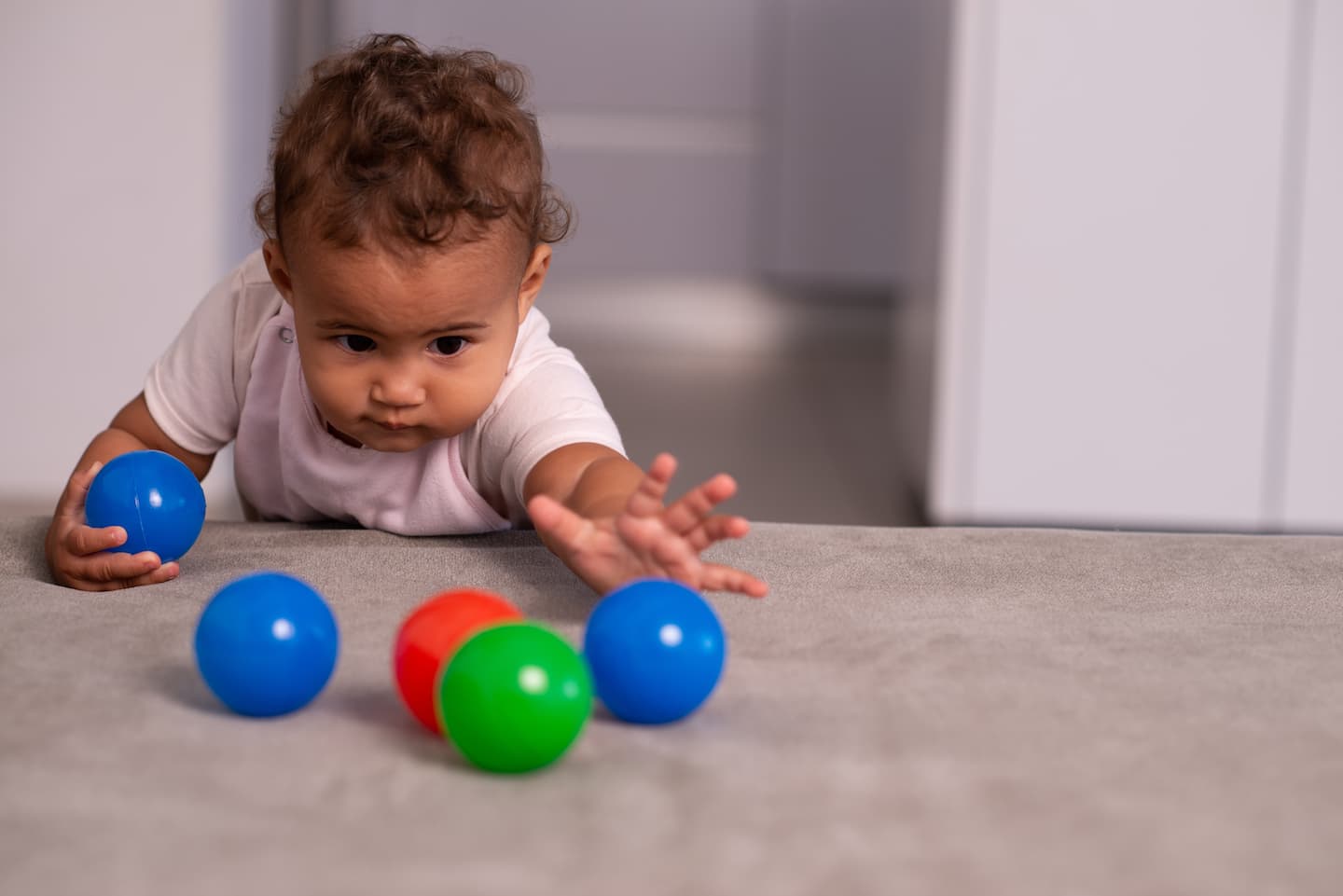
Infant Tools for Tiny Hands
Fine motor skills are the ability to make small movements with the fingers, hands, and wrists. Babies need lots of time and practice to develop the muscle strength for these skills.
 CaregiverActivity
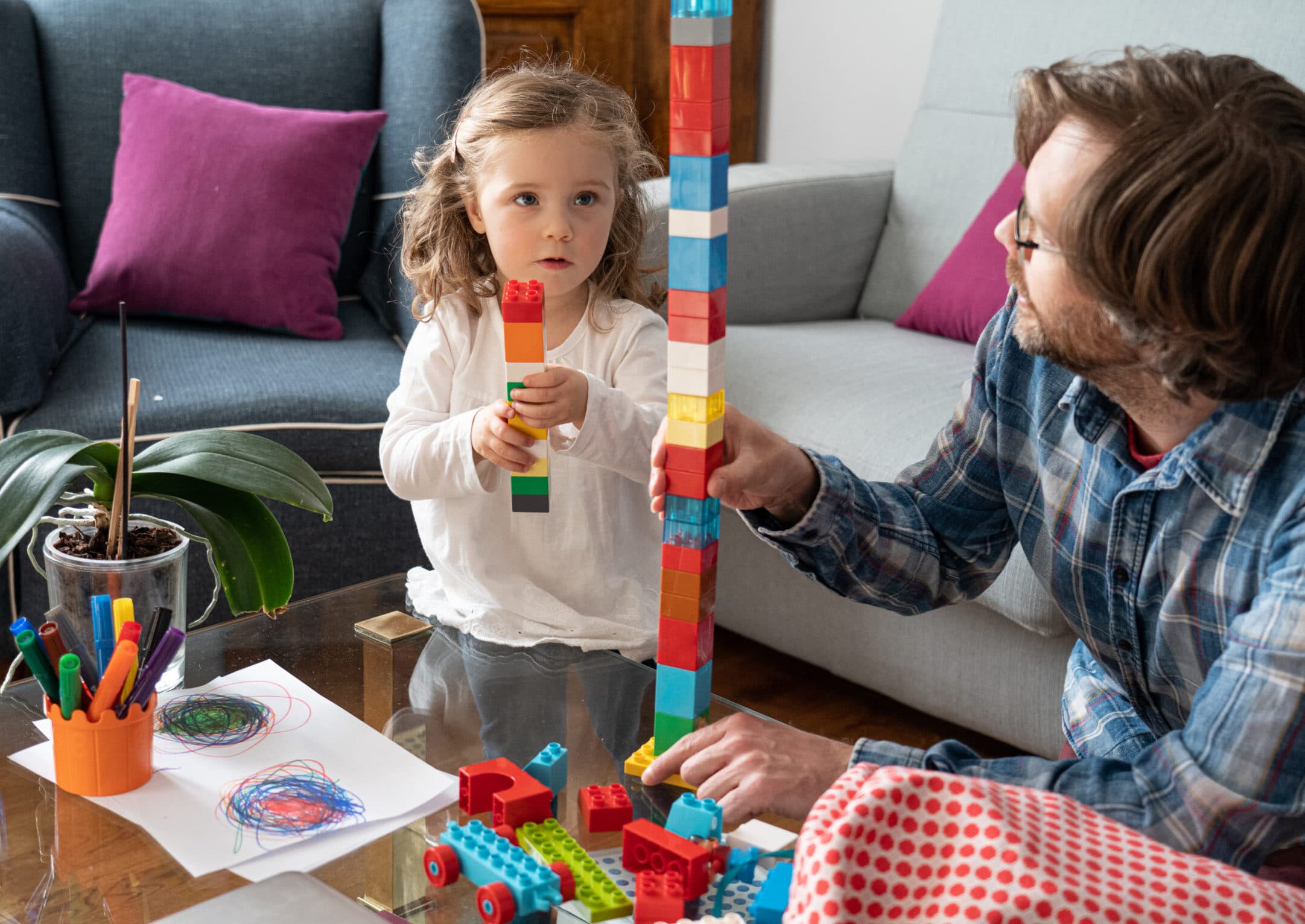
Figuring It Out
Stuck zippers! Snatched toys! Spilled milk! Learning to be a good problem-solver helps children be independent and feel more comfortable trying new things. It also helps them enjoy playing with others.