Touch, Point, and Turn
Using Books with Tiny Hands
Books get minds and fingers moving. Holding a book, turning a page, pointing to a picture, and tracing a shape with a finger are all good ways of practicing fine motor coordination and control.
- Audience
- Caregiver
- Subject
- Fine Motor Skill Development
- Age
- KindergartenPre-KPreschoolToddler
- Languages
- English

The Basics
Learning how to handle a book takes practice. And even just holding a book can be tricky for little hands. Let your child "read" a book by themselves—it’s okay if they hold it upside down to start. Invite them to turn the pages. Point to pictures together and name them. Use your fingers to help tell the story.
Books to Explore Together
Interactive Books. Flaps, tabs, and things to pull give children a chance to practice small movements with their fingers and hands. Use fingers to explore pictures, textures, and stories by tapping, rubbing, and poking.
Book suggestions:
- Tap the Magic Tree by Christie Matheson
- My Magical Unicorn by Yujin Shin
- Mon Petit Busy Day by Annette Tamarkin
- Play This Book by Jessica Young
Pointing Books. Pointing requires careful finger control and lots of focus. Trace letters or shapes, count objects, and find hidden details.
Book suggestions:
- Underground Subway Systems Around the World by Uijung Kim
- The Odd One Out: A Spotting Book by Britta Teckentrup
- I Spy: A Book of Picture Riddles by Walter Wick
Counting Books. Counting is a great way to get fingers involved. Use fingers to count together (and maybe add some toes). Or find small objects to pick up use for counting.
Book suggestions:
- Grandma’s Tiny House by JaNay Brown-Wood
- Ten Black Dots by Donald Crews
- Ten Little Fingers, Two Small Hands by Kristy Dempsey
- One Is a Piñata by Roseanne Greenfield Thong
Books about all the ways to use fingers and hands. From clapping and waving to cooking and building, there are so many things people do with their fingers and hands. Notice all the things hands can do in a book—and then try some together.
Book suggestions:
- Busy Fingers by C.W. Bowie
- Hands Can by Cheryl Willis Hudson
- More-igami by Dori Kleber
- Amy Wu and the Perfect Bao by Kat Zhang
Bonus!
Fingerplays and Action Songs. There are lots of short songs or rhymes with hand, finger, and wrist motions, like the Itsy Bitsy Spider or the Wheels on the Bus. Children learn from the rhythm and language, as well as the motions. Add some fingerplays and action songs to your day—while waiting for the bus, standing in line, or before bedtime. What fingerplays and action songs do you remember from your childhood?
Things to Say
“Can you find the red circle on this page? ”
“Let's count together with our fingers.”
“Look what they're doing in the story, we can do that too!”
Related Resources
 CaregiverActivity
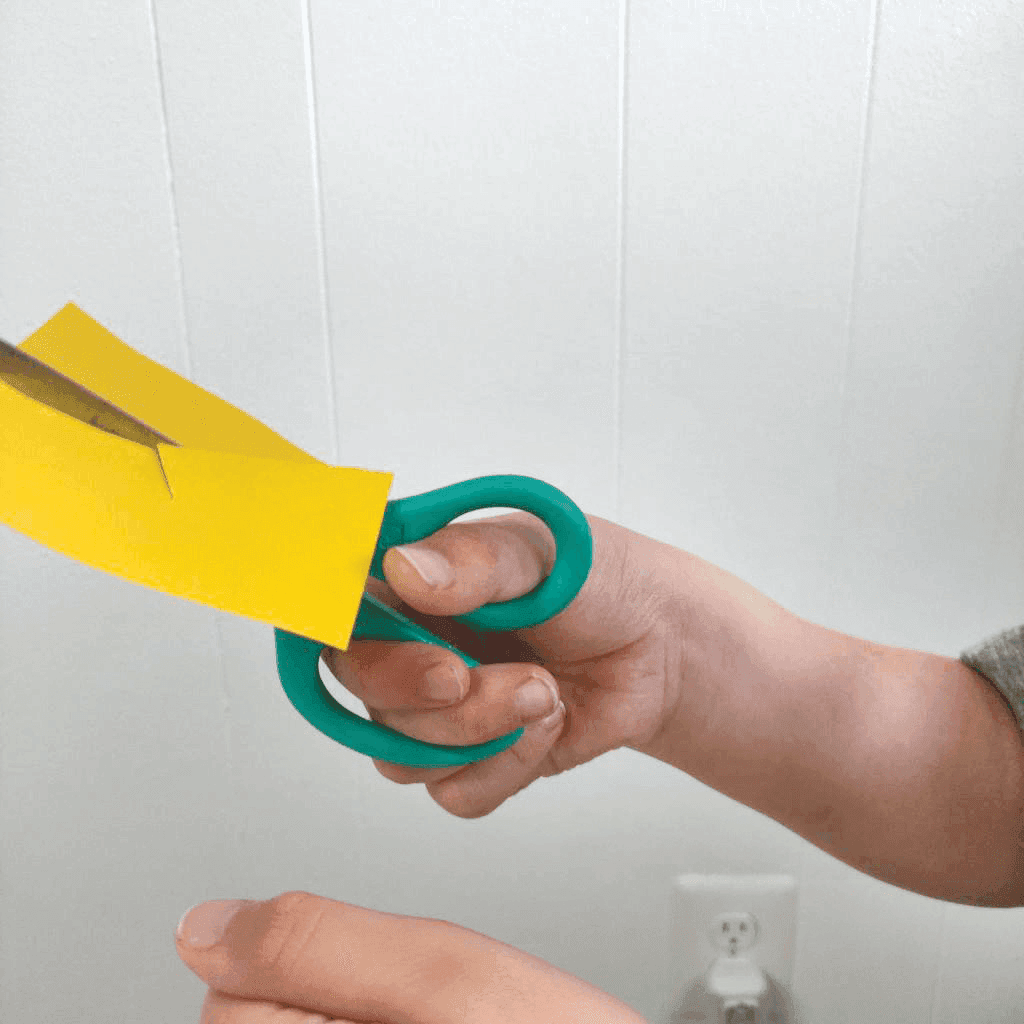
Ready, Steady, Cut
Learning to use scissors can be scary for parents and caregivers, but fun and engaging for little ones. Children should build and practice their scissors skills over time.
 CaregiverActivity
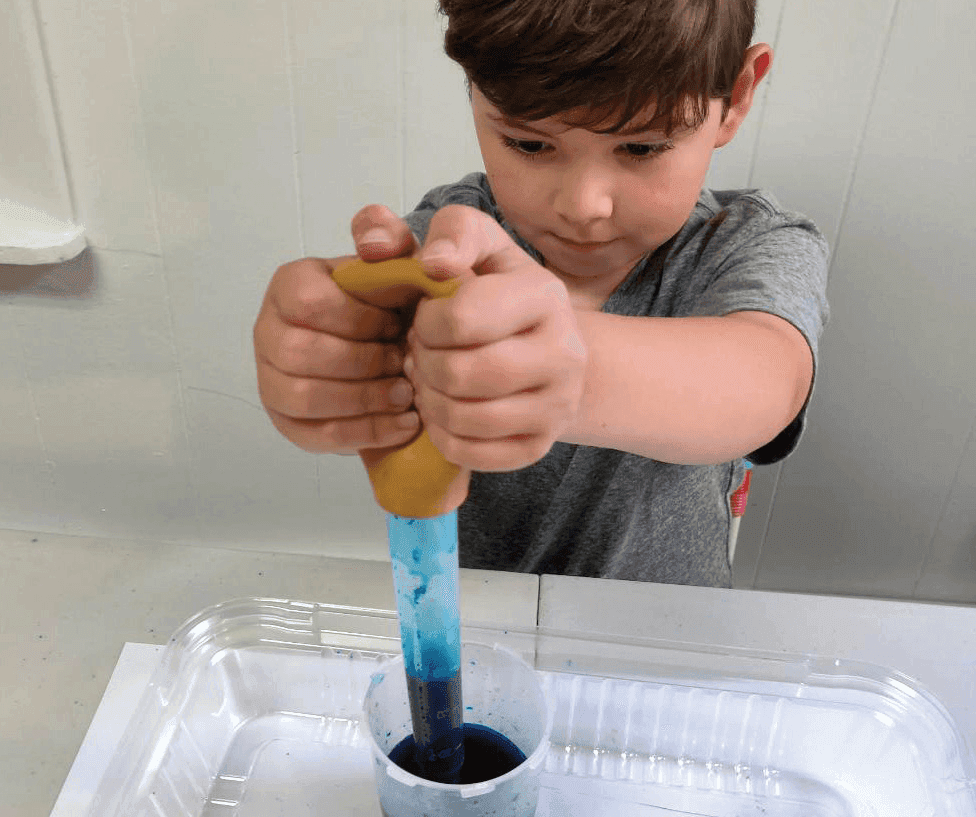
Squeeze It
Turkey basters and eye droppers are perfect tools for practicing fine motor skills. They are also great for learning to focus and look closely at something.
 CaregiverActivity
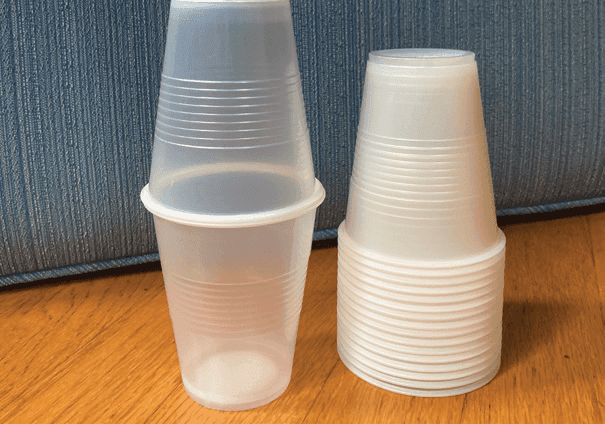
Stack Them Up, Knock Them Down!
Cups of all shapes and sizes can keep your child busy for longer than you might think. Each of these activities builds coordination and control in your
child’s hand muscles.
 CaregiverActivity
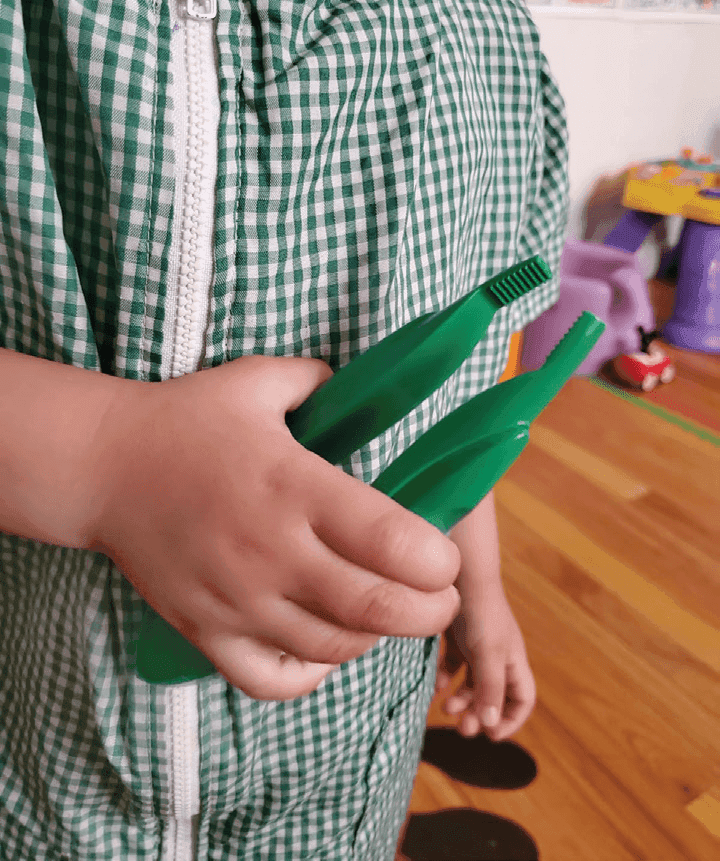
Pick It Up
Fingers and tweezers do similar jobs. They both help to pick things up. Using tweezers takes lots of control and hand-eye coordination.
 CaregiverActivity
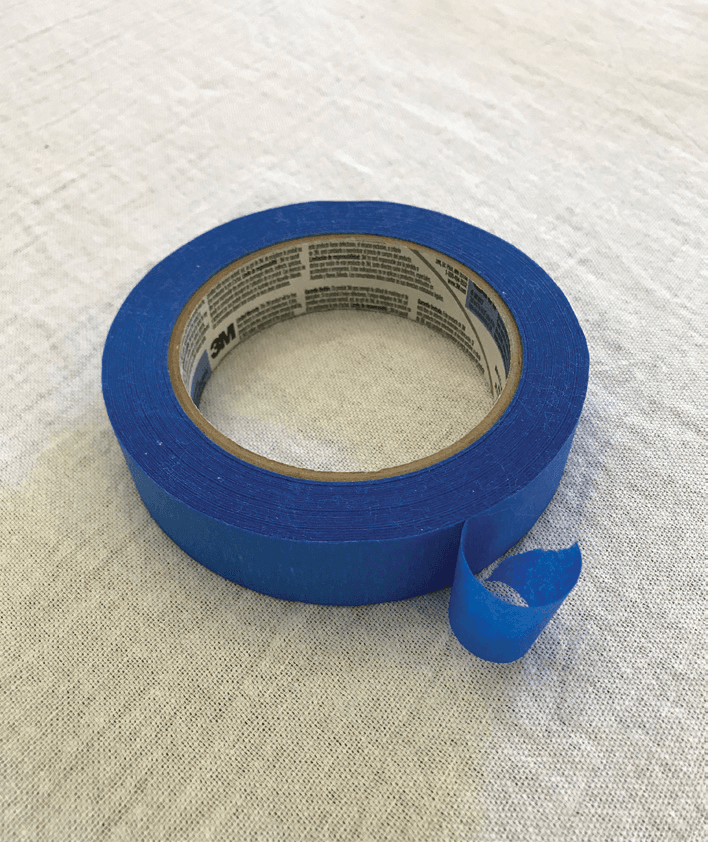
Peel, Rip, and Stick
Tape and stickers are excellent tools for practicing small movements such as peeling, ripping and sticking.
 CaregiverActivity
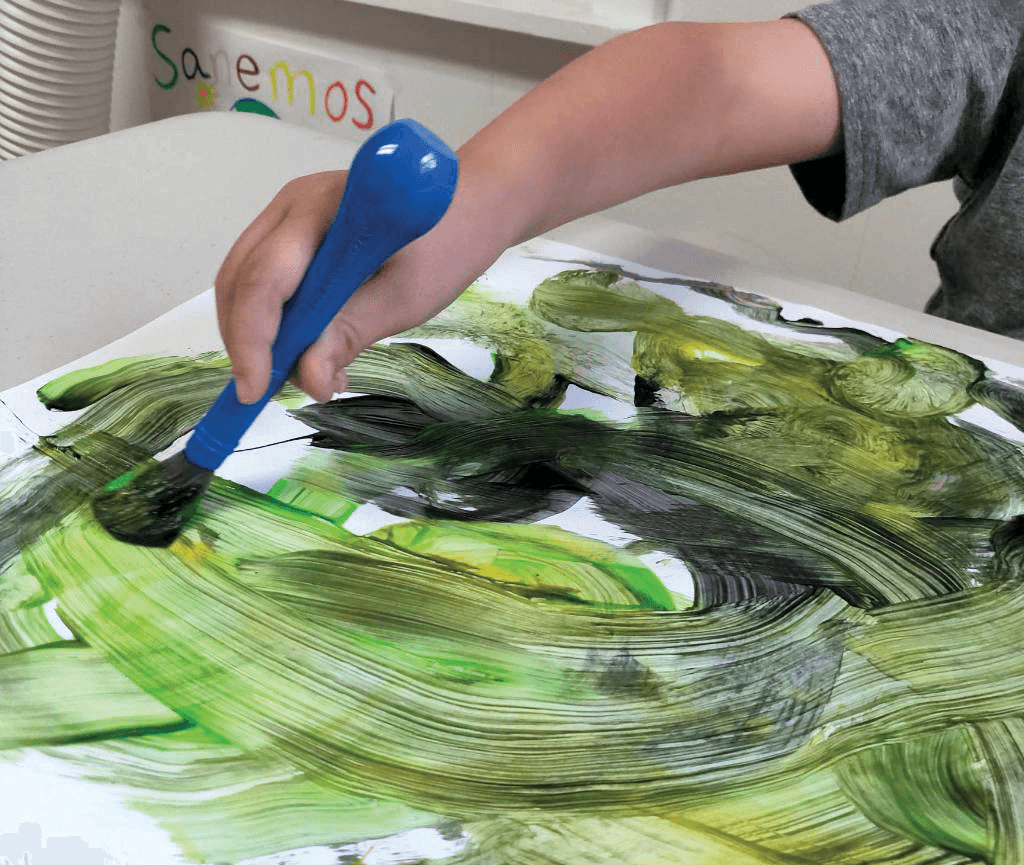
Swirl, Mix, and Dot
Painting is creative and can be relaxing for children. It also builds fine motor control and coordination.
 CaregiverActivity
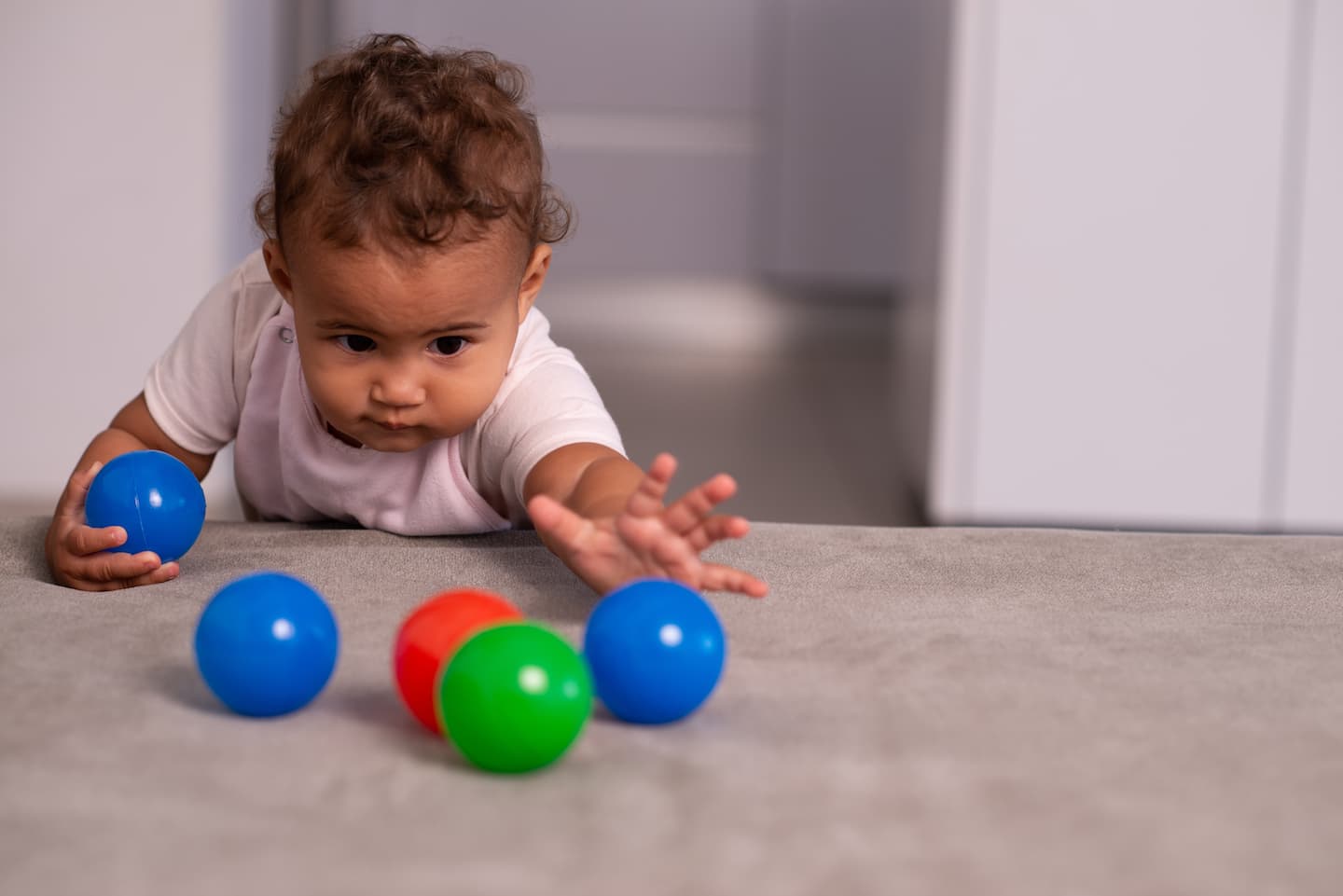
Infant Tools for Tiny Hands
Fine motor skills are the ability to make small movements with the fingers, hands, and wrists. Babies need lots of time and practice to develop the muscle strength for these skills.
 CaregiverActivity
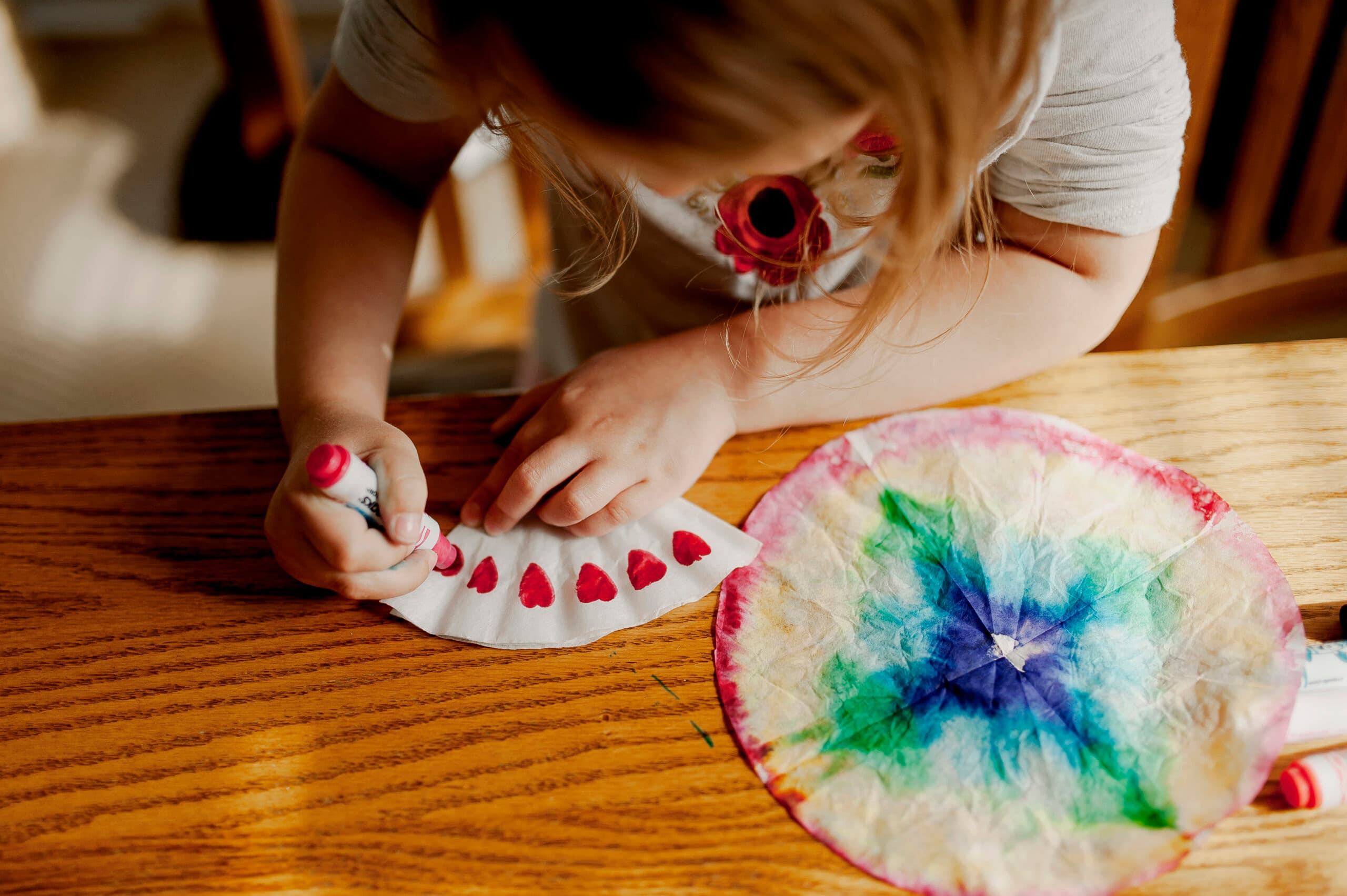
Snip, Stick, Scribble!
In school, children do lots of activities. They write, draw, paint, and build with different materials. As children do these things, they use tools–scissors to cut paper, paintbrushes to mix colors, and pencils to write letters and numbers.