Snip, Stick, Scribble!
Practice using tools
In school, children do lots of activities. They write, draw, paint, and build with different materials. As children do these things, they use tools–scissors to cut paper, paintbrushes to mix colors, and pencils to write letters and numbers.
- Audience
- Caregiver
- Subject
- School Readiness
- Age
- KindergartenPre-KPreschoolToddler
- Languages
- Brazilian PortugueseEnglishHaitian CreoleSimplified ChineseSpanish
- Materials
- Modeling clay , tongs, painter's tape, coffee filter, plate, markers, water droppers, sponge, scissors, streamers
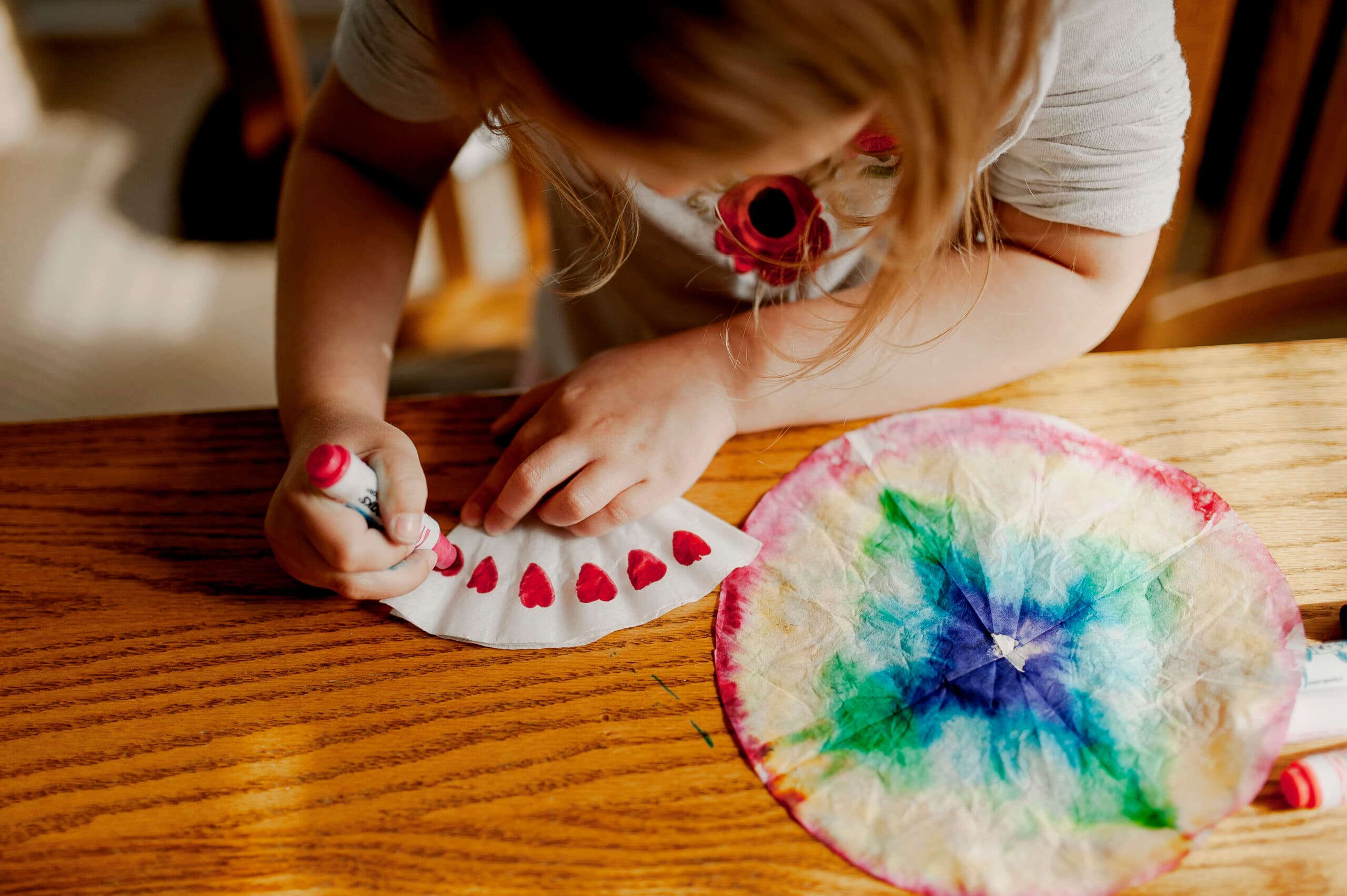
It helps to practice using these tools before going to school. Practice builds strength in hands and fingers, and lets children get used to how the tools work. When children feel comfortable using tools, they are more ready to learn to write and create in school.
Try these activities together!
Transfer with tongs and tape
- Pull apart modeling clay into smaller pieces.
- Practice holding and squeezing the tongs. Transfer the modeling clay pieces from one container or plate to another using the tongs.
- Do the same thing with painter’s tape! Stick tape to a modeling clay piece to pick it up. Then, peel the clay off onto a different plate.
Coffee filter art
- Place a coffee filter on a plate. Have your child scribble all over the coffee filter using different color markers.
- Use water droppers to wet the colored coffee filter and see how the colors blend and change! Use a wet sponge if your child is not ready for a water dropper.
- After the colored coffee filters are dry, make art with them! Stick them together with painter’s tape or cut them with scissors to make shapes.
Streamer party!
- Rip streamers with fingers! Use them as confetti and toss them into the air! Ripping is great practice for little fingers to develop the strength needed for scissors as they grow.
- Snip the streamers with scissors! Roll out a long strip of streamer and hold it so your child can snip it with scissors. Make fringe for decorations or to use as dancing ribbons. You can cut it the short way, or when the child is ready, cut the long way to make long, skinny streamers.
Everyday Interactions
Eat with different tools and utensils! Use tongs to move a piece of chicken onto a plate. Stir ice in the water using a straw. Pick up a piece of potato with a fork, or scoop beans with a spoon. Try cutting soft noodles with a dull, plastic knife!
Ways to Support Your Child
“What do you notice about the scissors? How can you use them to create things?”
“Take your time.” “Let’s try again!”
“Wow! I see you are working hard to rip the tape.”
Just for the grown-ups
Get ready for a lot of writing to fill out school forms! If you need help, ask a teacher or school staff!
Related Resources
 CaregiverActivity
I Can Do It
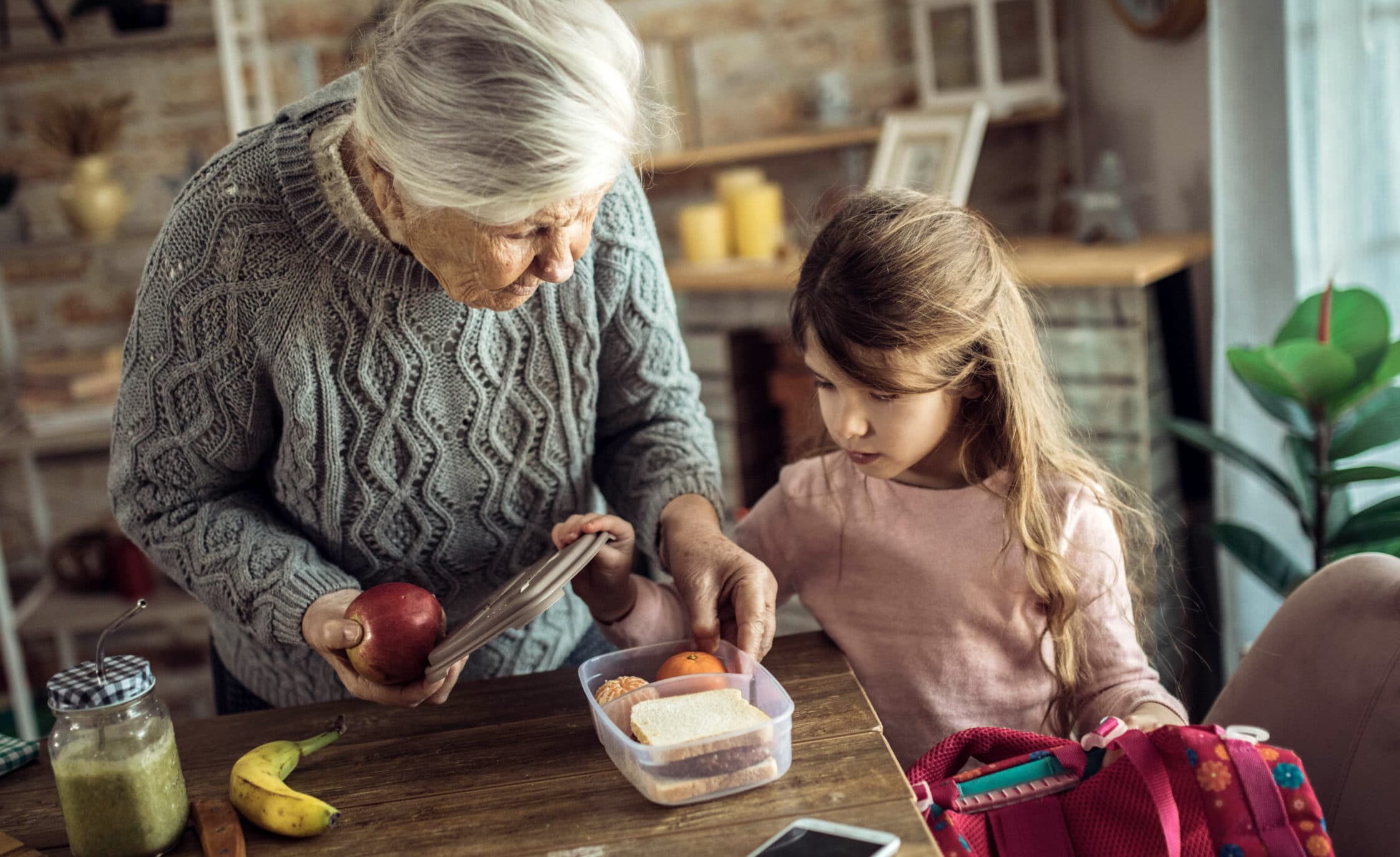
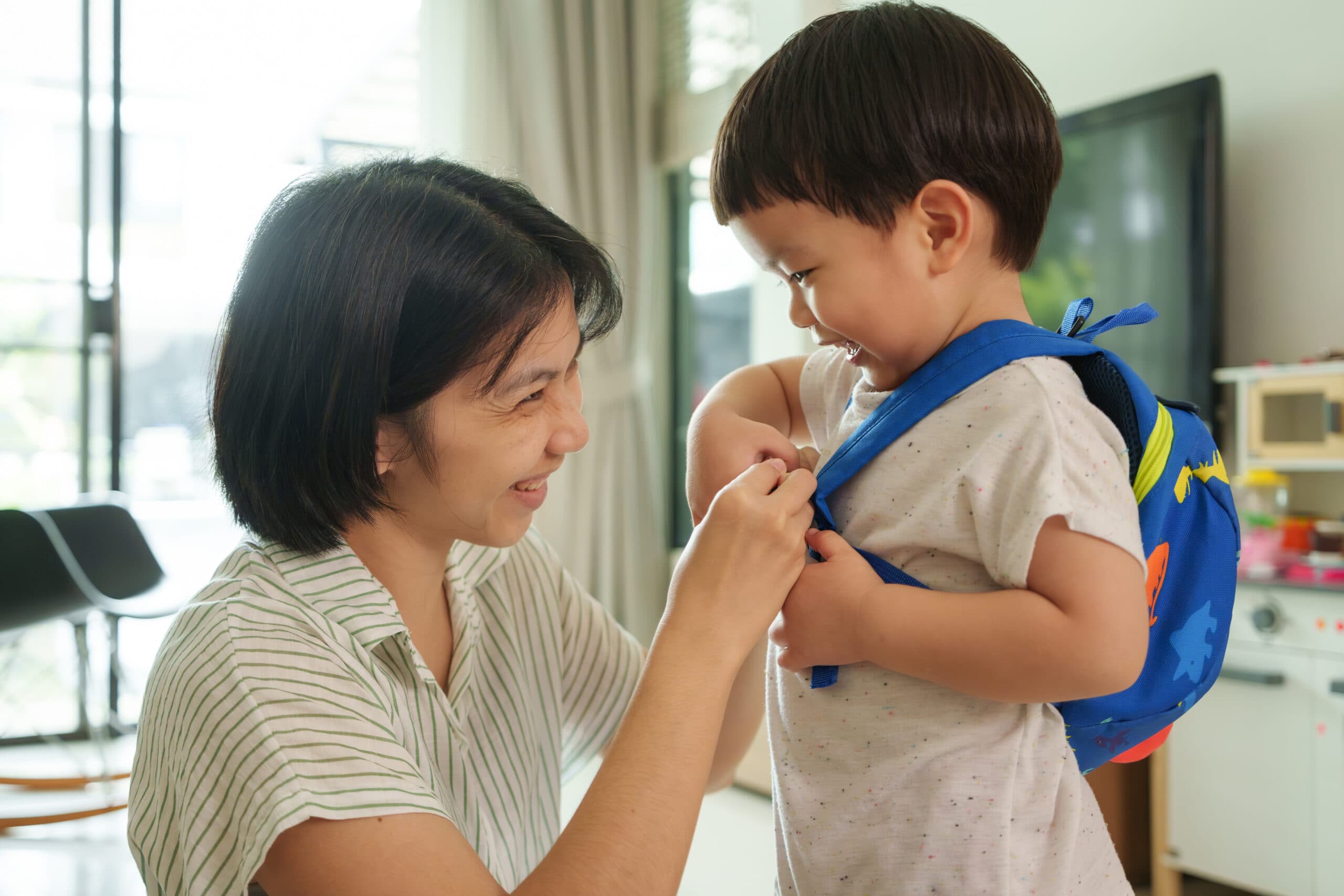
At home, children can often get one-on-one help with what they need. At school, teachers have many children to care for and may not be able to assist right away. This is why it is important for children to learn to do tasks like zip jackets, put on shoes, and open snack containers. These everyday tasks use fine motor skills—small movements of the fingers, hands, and wrists.
 CaregiverActivity
I Am Patient
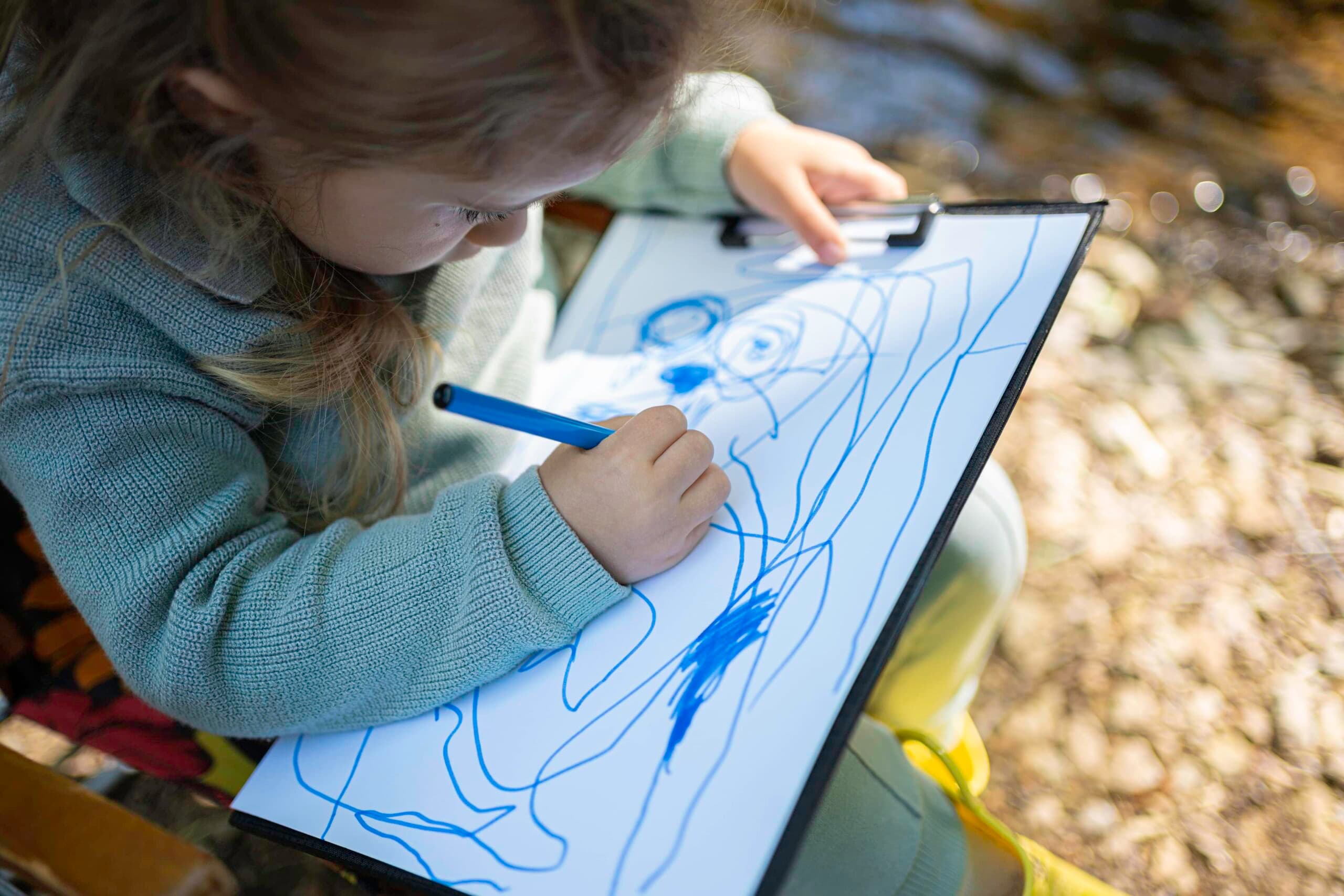
Patience is about learning to wait for a turn, be with the group, and stay calm. These skills help children join class activities and make friends.
 CaregiverActivity
I Can Listen
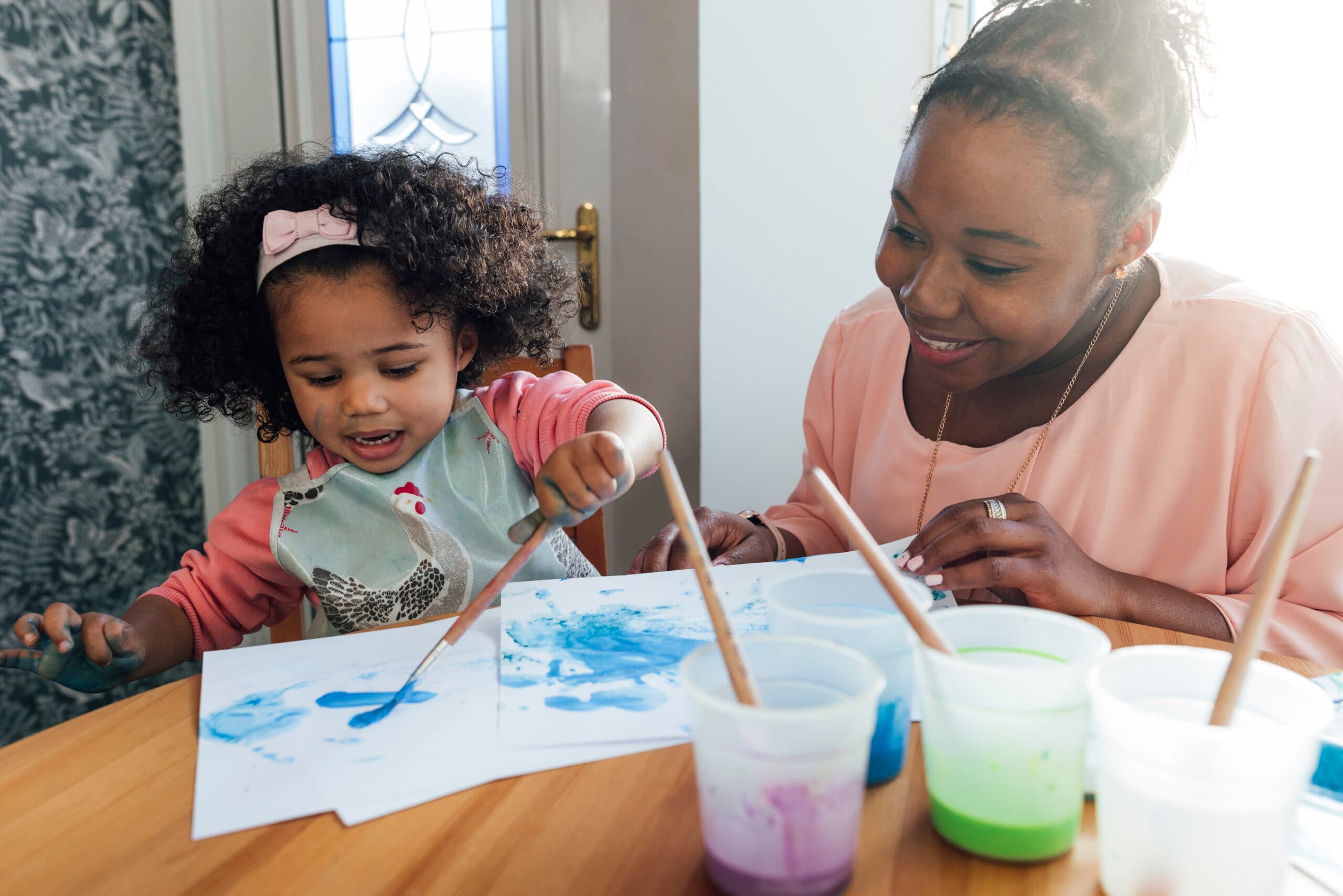
Listening to and following directions happens throughout the school day. A typical school day includes circle time or morning meetings, where the class learns what happens during the day. During activities, they need to know what steps to follow. These skills help children feel like part of the group. When children feel that they belong, it’s easier to make friends, work together, and be ready to learn in school.
 CaregiverActivity
Let’s Be Friends
Children spend lots of time with friends at school. Being kind and understanding others’ feelings helps children have positive interactions.
 CaregiverActivity
All About Me
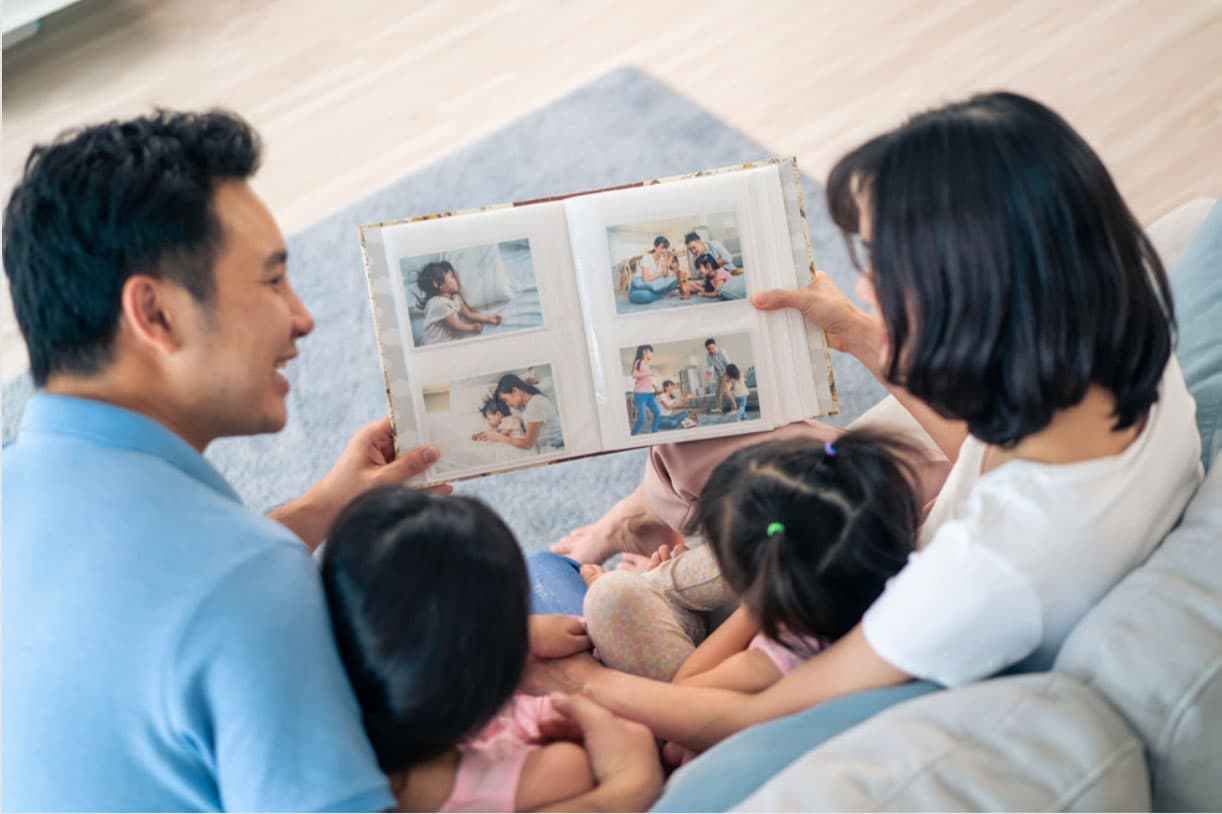
Starting school is exciting! But it might also feel a little scary. Children can start to connect with their new friends at school by talking about themselves and their families.
 EducatorGuide
On Our Way To School – Playgroup Guide
You can use or adapt this playgroup structure to maximize school readiness skill development during your playgroup. Be sure to also visit the On Our Way to School collection to download the accompanying Family Activity Sheets. This playgroup guide includes:
 CaregiverActivity
Figuring It Out
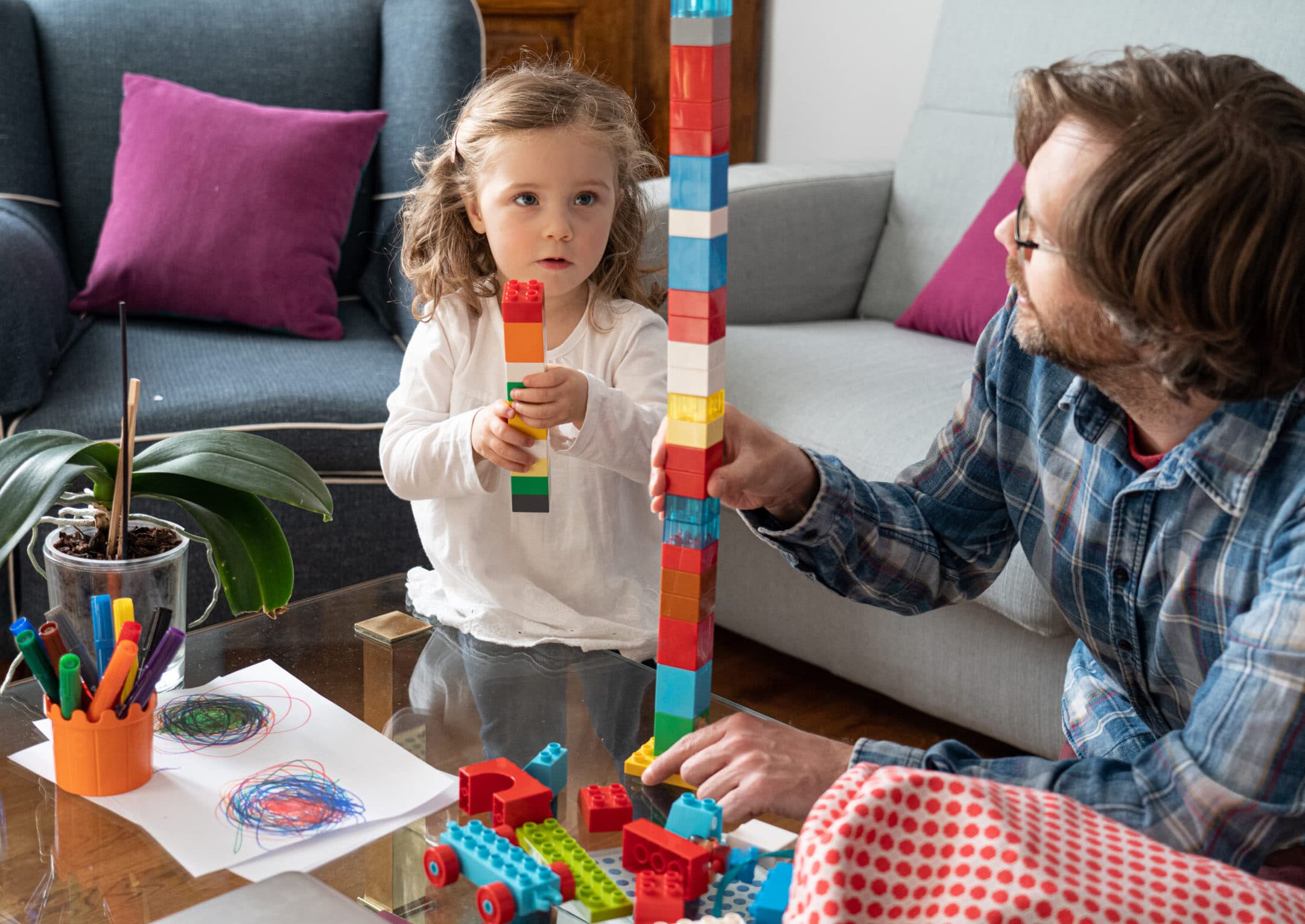
Stuck zippers! Snatched toys! Spilled milk! Learning to be a good problem-solver helps children be independent and feel more comfortable trying new things. It also helps them enjoy playing with others.
 CaregiverActivity
Up, Down, and Around
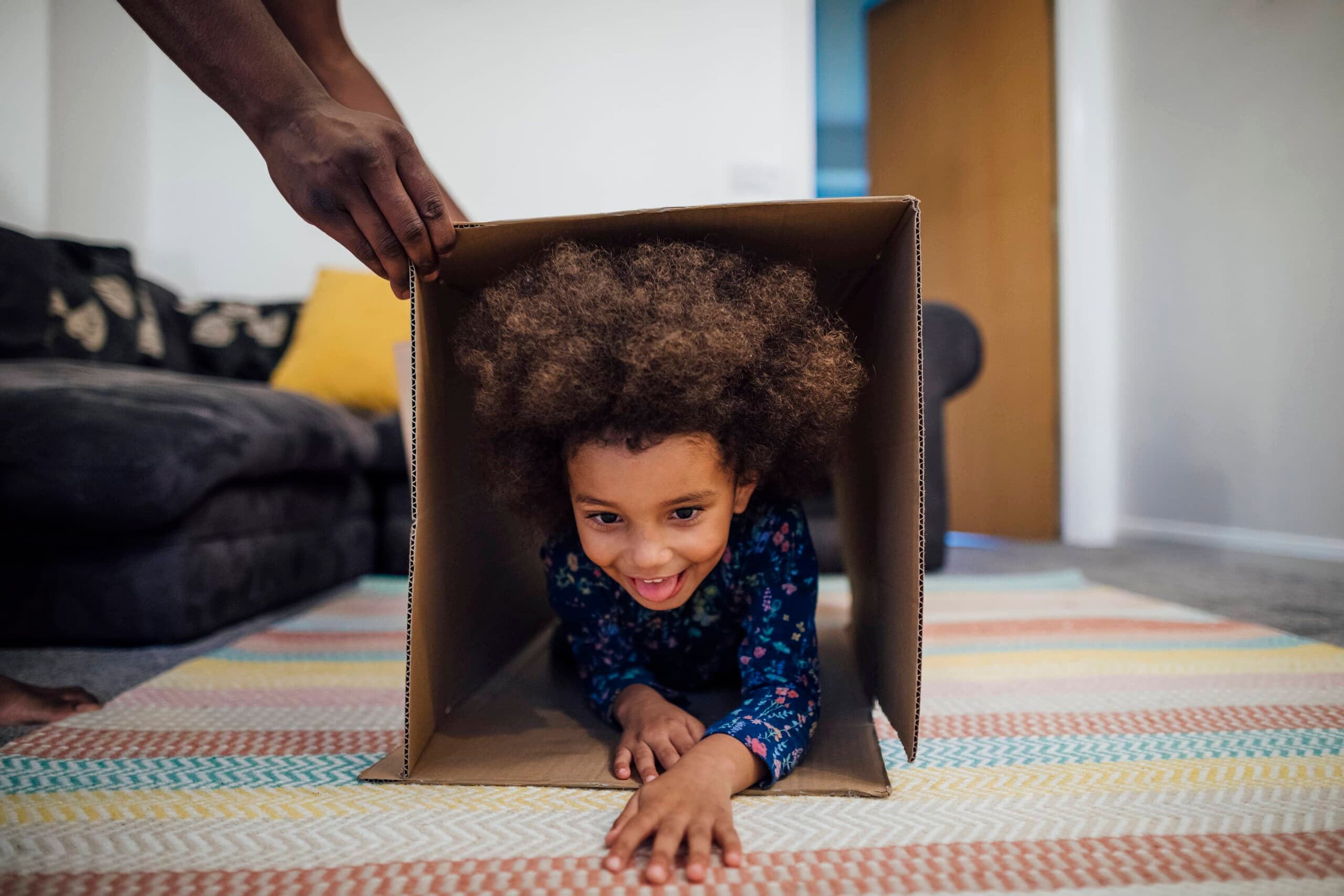
When children crawl under a table, fit toys in a box, or figure out how to get through a narrow path, they are thinking about how to move through or fill up a certain space. Moments like these support spatial thinking—how we understand where objects are and how they move or fit together.