Me, You, We
Social-Emotional Learning for Ages 2-5
Me, You, We is filled with resources to help your child develop and practice their social-emotional skills.
Social-emotional development is how children learn to understand themselves, connect to and behave with other people, and be independent and make good choices.
- Audience
- CaregiverEducator
- Subject
- Social-Emotional Learning
- Age
- KindergartenPre-KPreschoolToddler
- Languages
- ArabicBrazilian PortugueseCape VerdeanEnglishFrenchHaitian CreoleRussianSimplified ChineseSpanishVietnamese
Resources in the Me, You, We collection
 FeaturedCaregiverActivity
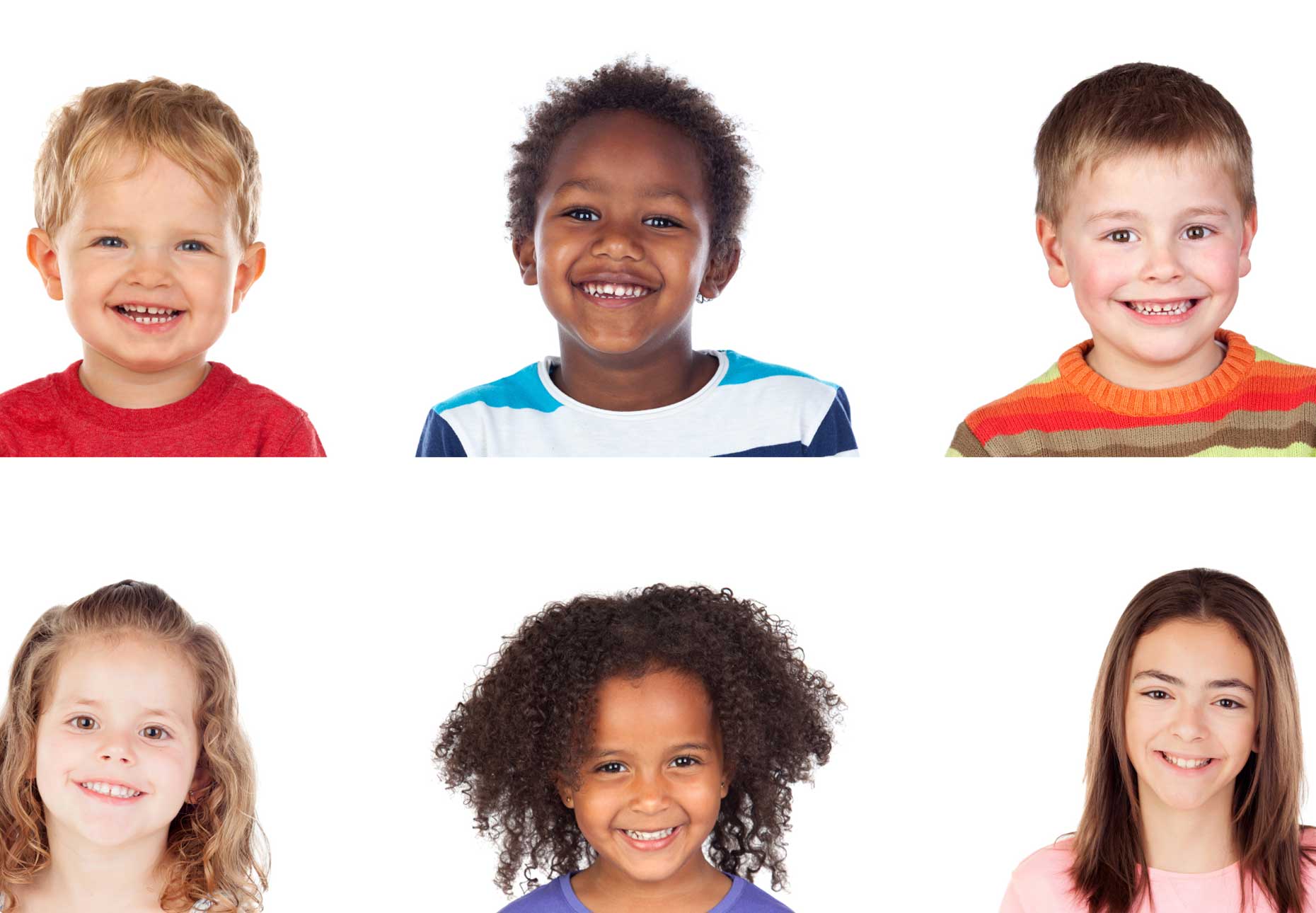
Happy, Sad, Mad
Children experience lots of different feelings. Every feeling has its own name. But each child feels and shows their feelings in different ways.
 CaregiverActivity
Deep Breaths and Happy Dances
Really happy, really sad, or really mad—feelings can be hard to manage. When a child can manage their feelings, they are able to show their feelings without losing control.
 CaregiverActivity
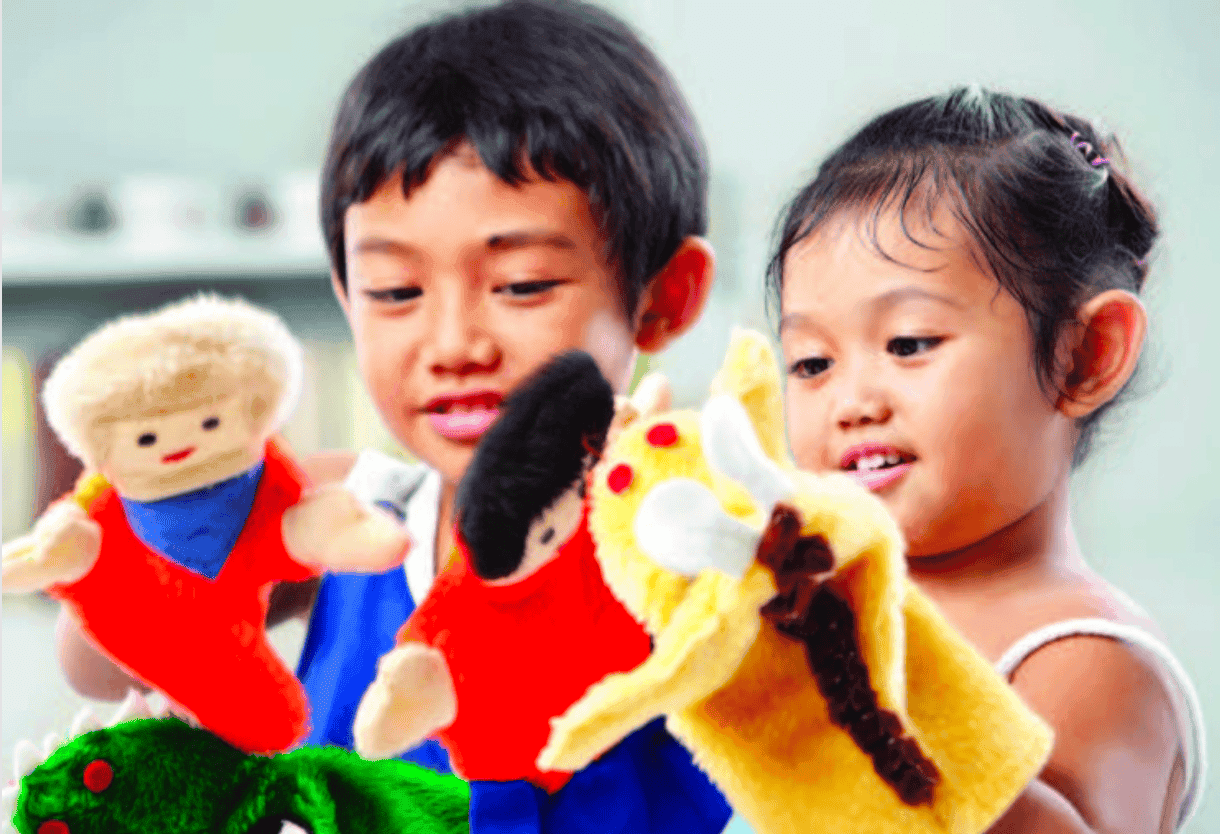
More Than Me
“I am happy. But you seem sad?” It is hard to imagine how others feel. But it is a skill that children need to play with others and make friends.
 CaregiverActivity
Listen, Think, and Do
“Please wait.” “Eat your spaghetti with your fork.” “Give your friend a turn.” Learning the skills to follow directions helps children learn to behave nicely with others.
 CaregiverActivity
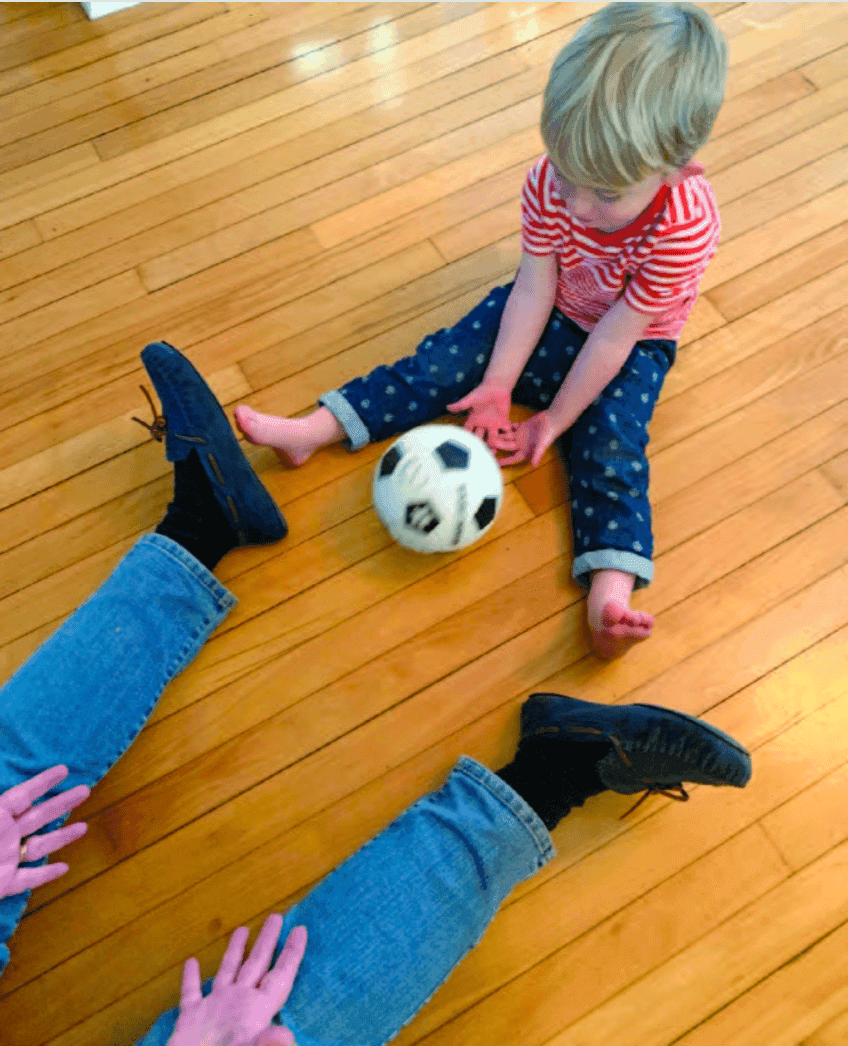
My Turn, Your Turn
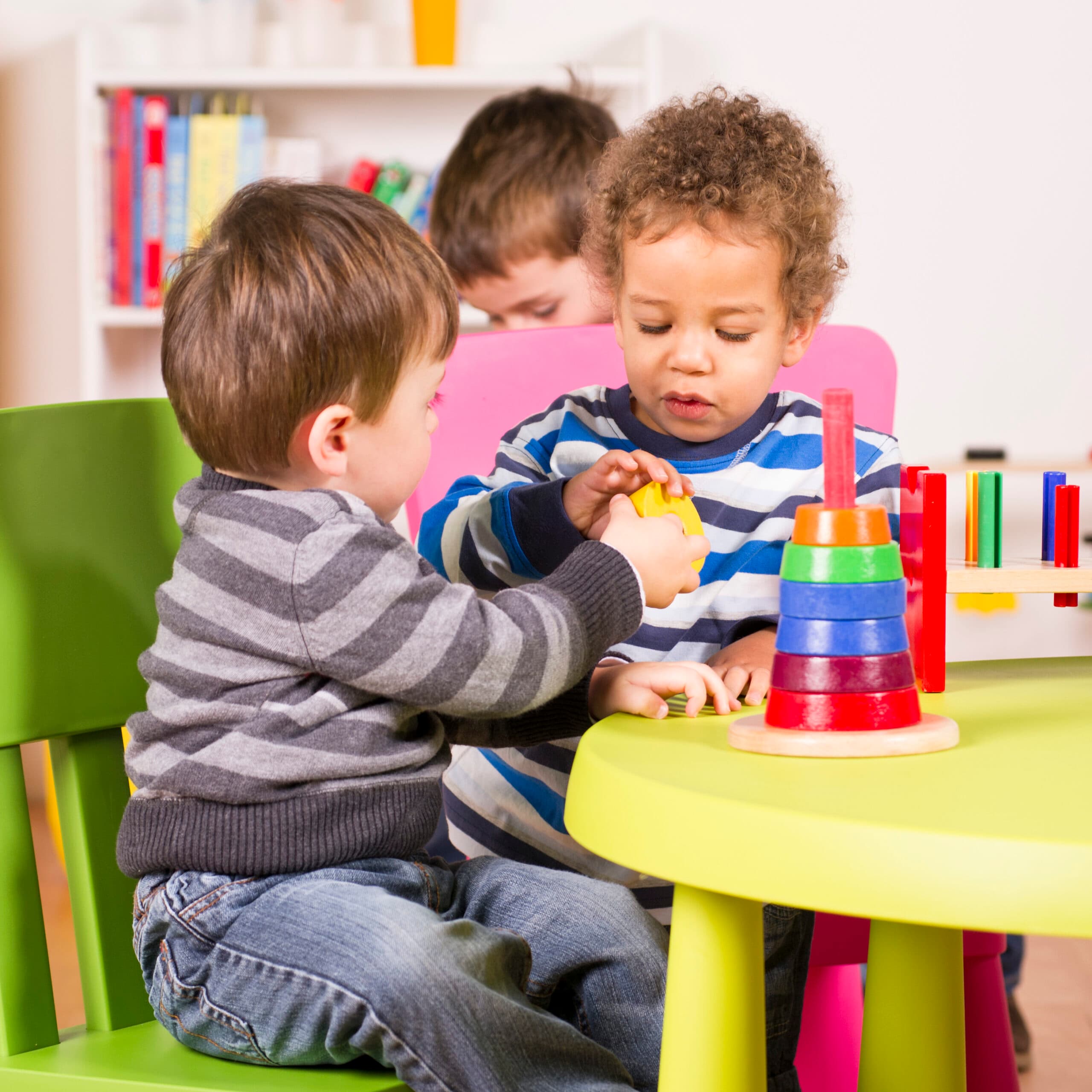
Taking turns is an important part of playing and working together, but it is not easy. Children need a lot of practice and help from adults to learn to do it well.
 CaregiverActivity
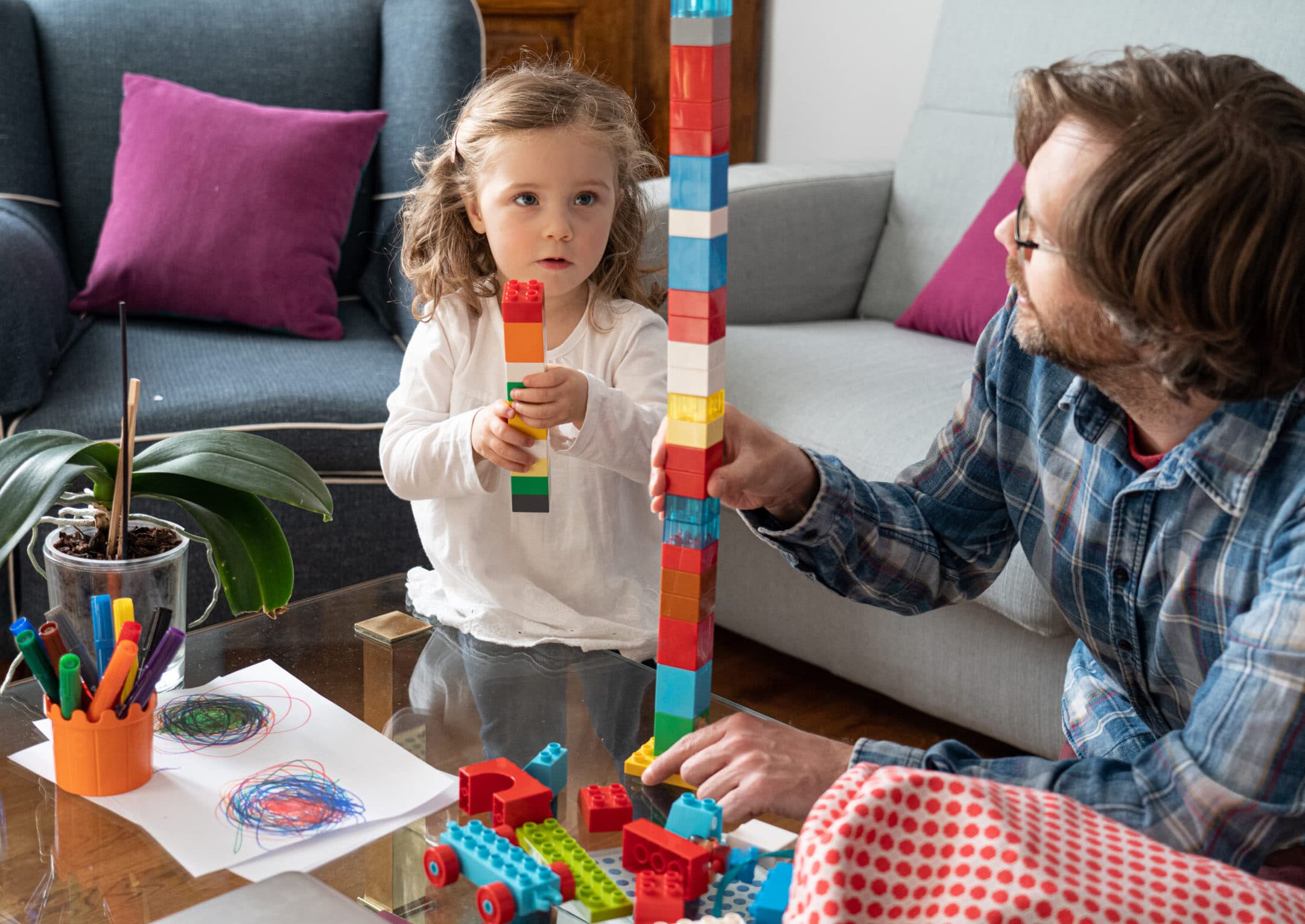
Figuring It Out
Stuck zippers! Snatched toys! Spilled milk! Learning to be a good problem-solver helps children be independent and feel more comfortable trying new things. It also helps them enjoy playing with others.
 CaregiverActivity
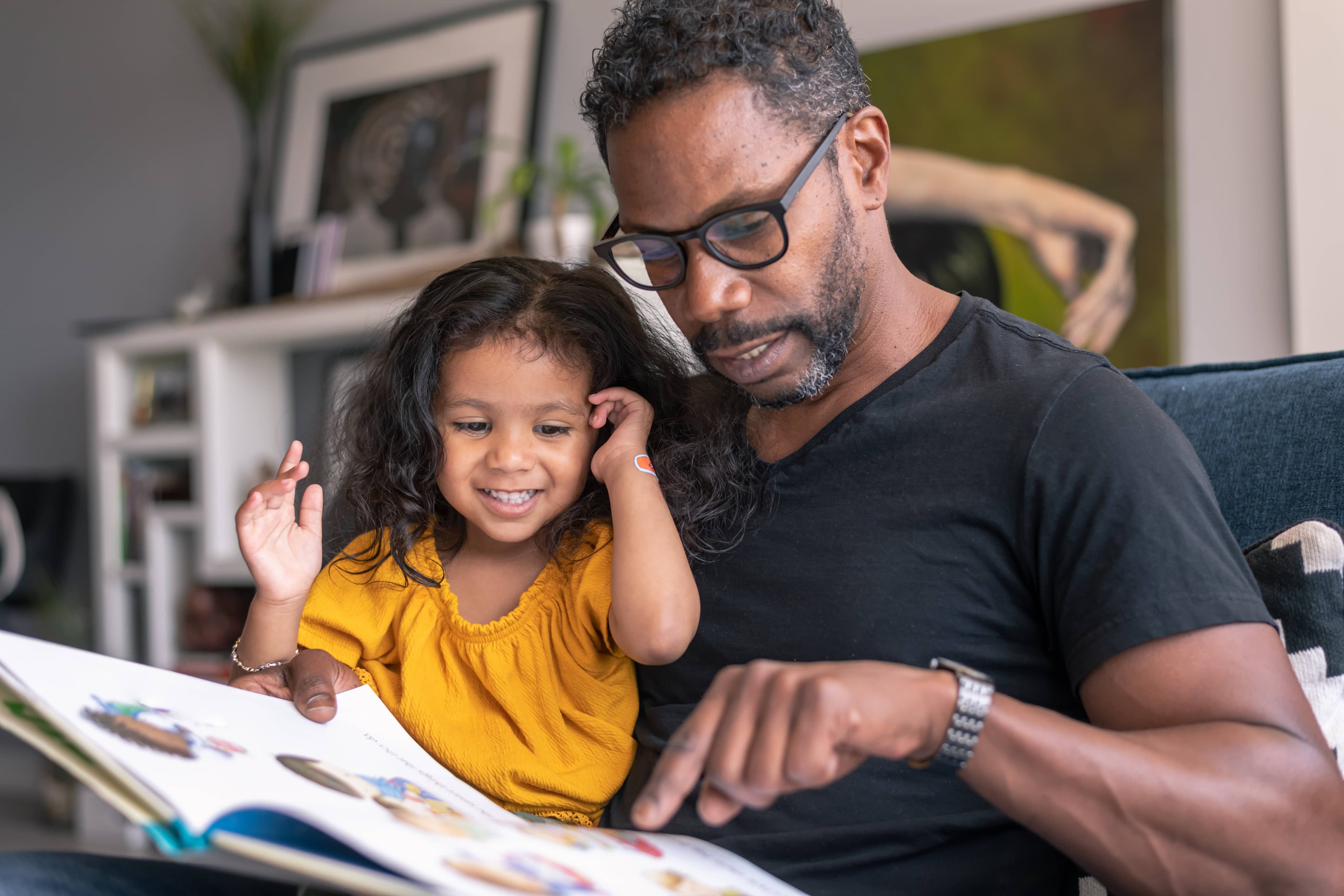
Stories Full of Feelings
Books are great tools to support young children’s social-emotional learning. The characters in the stories introduce many different feelings and ways of being a good friend or helper. And many stories also share creative ways of problem-solving.
 EducatorGuide
Me, You, We – Playgroup Guide
Playgroup structure to maximize social-emotional learning during your playgroup.
Play Matters!
Play is the very best way for children to practice their social-emotional skills. By playing on their own, next to, or with others, children learn about themselves and the world they live in. They…
- Explore feelings
- Build confidence by making their own choices and doing things in their own way
- Grow from their mistakes and successes
- Learn about others
- Practice seeing things from other people’s point of view
For Educators
Download the Playgroup Guide
Looking to provide social-emotional learning playgroups based on the Me, You, We resource? Download this guide for educators!
What’s included in this guide? This outline offers general tips on leading playgroups around social-emotional learning with 2 to 5 year-olds and their caregivers, as well as some specific ideas for each of the six Me, You, We sessions. Please feel free to adapt the materials and ideas in the ways that work best for you and your families.
Me, You We resources include:
- Material list to use both during the playgroup and for at home exploration
- Activity sheets to support family learning (in 10 different languages)
- Access to six how-to videos to get families started playing together at home
Important! You will also need the six Me, You, We Family Activity Sheets to facilitate this playgroup.
Download the Activity Sheets
This resource is filled with ideas to help your child develop and practice their social-emotional skills.
Download the Face Charts
Download face chart to help your child identify feelings.
About this Collection
Play Matters!
Play is the very best way for children to practice their social-emotional skills. By playing on their own, next to, or with others, children learn about themselves and the world they live in. They…
- Explore feelings
- Build confidence by making their own choices and doing things in their own way
- Grow from their mistakes and successes
- Learn about others
- Practice seeing things from other people’s point of view
For Educators
Download the Playgroup Guide
Looking to provide social-emotional learning playgroups based on the Me, You, We resource? Download this guide for educators!
What’s included in this guide? This outline offers general tips on leading playgroups around social-emotional learning with 2 to 5 year-olds and their caregivers, as well as some specific ideas for each of the six Me, You, We sessions. Please feel free to adapt the materials and ideas in the ways that work best for you and your families.
Me, You We resources include:
- Material list to use both during the playgroup and for at home exploration
- Activity sheets to support family learning (in 10 different languages)
- Access to six how-to videos to get families started playing together at home
Important! You will also need the six Me, You, We Family Activity Sheets to facilitate this playgroup.
Download the Activity Sheets
This resource is filled with ideas to help your child develop and practice their social-emotional skills.
Download the Face Charts
Download face chart to help your child identify feelings.
Me, You, We Collection: 8 items
Resources in the Me, You, We collection
FeaturedCaregiverActivityHappy, Sad, Mad
Children experience lots of different feelings. Every feeling has its own name. But each child feels and shows their feelings in different ways.
CaregiverActivityDeep Breaths and Happy Dances
Really happy, really sad, or really mad—feelings can be hard to manage. When a child can manage their feelings, they are able to show their feelings without losing control.
CaregiverActivityMore Than Me
“I am happy. But you seem sad?” It is hard to imagine how others feel. But it is a skill that children need to play with others and make friends.
CaregiverActivityListen, Think, and Do
“Please wait.” “Eat your spaghetti with your fork.” “Give your friend a turn.” Learning the skills to follow directions helps children learn to behave nicely with others.
CaregiverActivityMy Turn, Your Turn
Taking turns is an important part of playing and working together, but it is not easy. Children need a lot of practice and help from adults to learn to do it well.
CaregiverActivityFiguring It Out
Stuck zippers! Snatched toys! Spilled milk! Learning to be a good problem-solver helps children be independent and feel more comfortable trying new things. It also helps them enjoy playing with others.
CaregiverActivityStories Full of Feelings
Books are great tools to support young children’s social-emotional learning. The characters in the stories introduce many different feelings and ways of being a good friend or helper. And many stories also share creative ways of problem-solving.
EducatorGuideMe, You, We – Playgroup Guide
Playgroup structure to maximize social-emotional learning during your playgroup.