Deep Breaths and Happy Dances
Learning to manage feelings
Really happy, really sad, or really mad—feelings can be hard to manage. When a child can manage their feelings, they are able to show their feelings without losing control.
- Audience
- Caregiver
- Subject
- Social-Emotional Learning
- Age
- KindergartenPre-KPreschoolToddler
- Languages
- ArabicBrazilian PortugueseCape VerdeanEnglishFrenchHaitian CreoleRussianSimplified ChineseSpanishVietnamese
- Materials
- Bubbles, scarves, playdough

The Basics
Everyone has big feelings. Babies often cry to tell you how they feel. Older children might also cry, but they have more ways of showing their feelings. They might “go wild” when they are excited or act out when they are upset.
Learning to manage feelings is about choosing healthy ways to handle them. For example, a child can be frustrated, but they can also learn to stay calm. Even adults sometimes have a hard time controlling their feelings!
Getting Started
First, acknowledge how your child is feeling. Then, help them find ways of showing their feelings without hurting themselves or others. “It’s okay to feel mad. But it’s not okay to hit someone. Let’s practice asking for a turn.” Learning to manage big feelings takes lots of patience from both children and adults.
Things to Try with Ages 2 to 5
Blowing and popping bubbles
- Show your child how to take a deep breath in. Then blow out slowly to blow bubbles. Invite your child to blow bubbles while you hold the wand. Long, slow breaths in and out make great bubbles. They also help children calm down.
- Invite your child to think of things that make them upset. “I feel frustrated when I can’t watch a video!” “I feel disappointed when I can’t eat ice cream!” Encourage your child to pop the bubbles with a clap or a stomp. It’s okay if it gets silly!
Feelings and movements
- Play some music or sing songs. Fast music, then slow. Soft, then loud. Talk with your child about which type of music matches different feelings. “How does the fast music make you feel?” Dance with the scarves to the music.
- Invite your child to make up a different movement for each feeling. Maybe a clap for feeling happy? A twirl for excited?A jump for upset? Encourage them to use their new movements to dance out their feelings.
Squeeze it! Squish it!
- Encourage your child to play with playdough in their own way. Offer some tools from your home, like forks, straws, and cookie cutters. Playing with playdough focuses children’s minds and can be very calming.
- Squeeze the playdough really tightly! Make shapes and squish them. Talk about when your child might feel worried or mad. Practice calming down by squeezing and squishing those feelings!
Everyday Interactions
Practice “calming down” as part of your daily routine. Take deep breaths together. Count to ten. Or do some simple stretching.
Use cardboard boxes, blankets, and pillows to make a cozy corner in your home. Fill it with things that will help your child relax—maybe stuffed animals, crayons and paper, and books. Invite your child to use their cozy corner as a place to take a break when they are having a big feeling.
Model, Notice, Practice
“I’m getting really upset. I will take a break.”
“You chose to put your arms behind your back instead of hitting your sister. Nicely done!”
“I see you’re having a hard time with your feelings. Do you want to try blowing bubbles? Or squeezing a squishy ball?”
Related Resources
 CaregiverActivity
Figuring It Out
Stuck zippers! Snatched toys! Spilled milk! Learning to be a good problem-solver helps children be independent and feel more comfortable trying new things. It also helps them enjoy playing with others.
 CaregiverActivity
My Turn, Your Turn
Taking turns is an important part of playing and working together, but it is not easy. Children need a lot of practice and help from adults to learn to do it well.
 CaregiverActivity
Listen, Think, and Do
“Please wait.” “Eat your spaghetti with your fork.” “Give your friend a turn.” Learning the skills to follow directions helps children learn to behave nicely with others.
 CaregiverActivity
More Than Me
“I am happy. But you seem sad?” It is hard to imagine how others feel. But it is a skill that children need to play with others and make friends.
 FeaturedCaregiverActivity
Happy, Sad, Mad
Children experience lots of different feelings. Every feeling has its own name. But each child feels and shows their feelings in different ways.
 CaregiverActivity
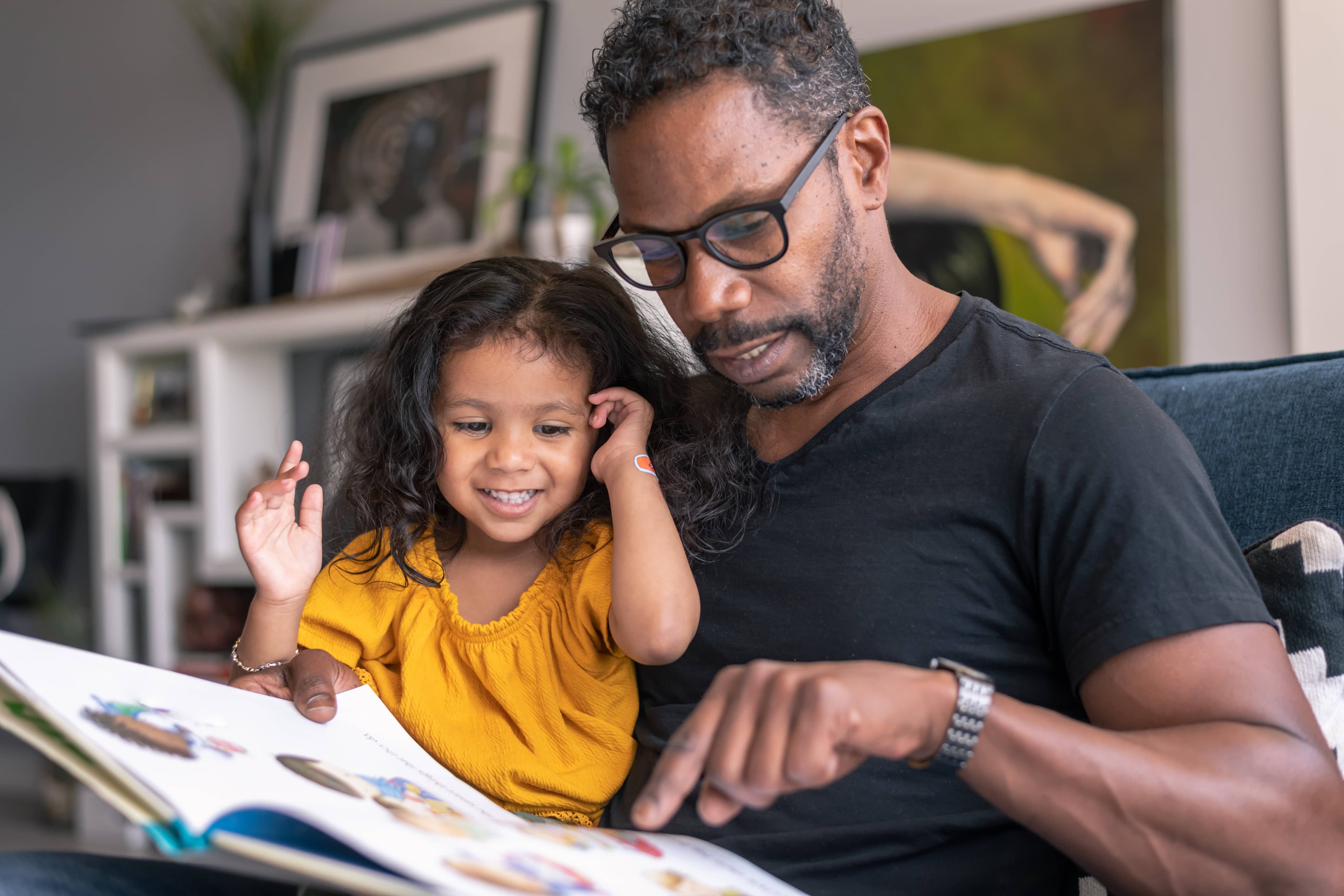
Stories Full of Feelings
Books are great tools to support young children’s social-emotional learning. The characters in the stories introduce many different feelings and ways of being a good friend or helper. And many stories also share creative ways of problem-solving.
 EducatorGuide
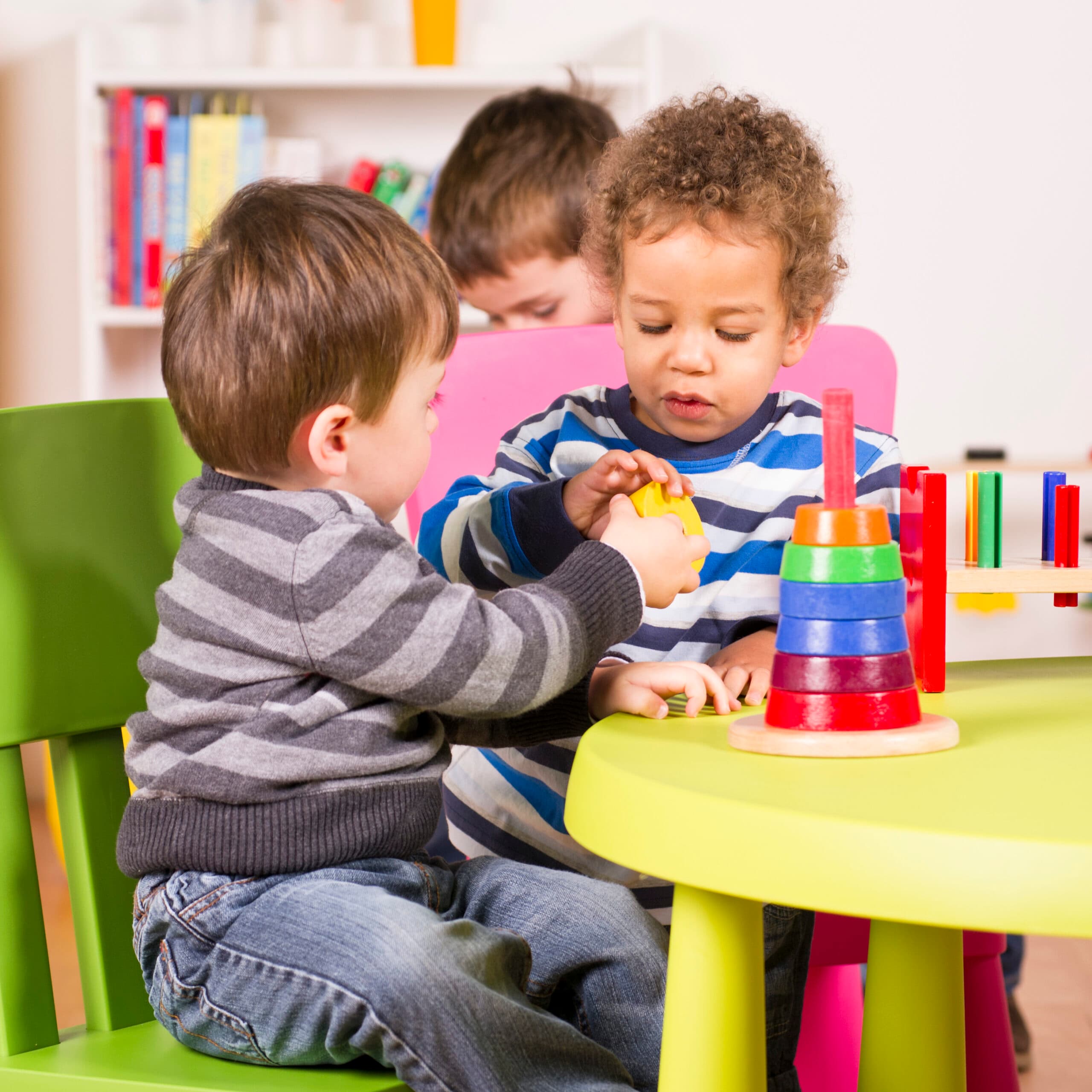
Me, You, We – Playgroup Guide
Playgroup structure to maximize social-emotional learning during your playgroup.
 CaregiverActivity
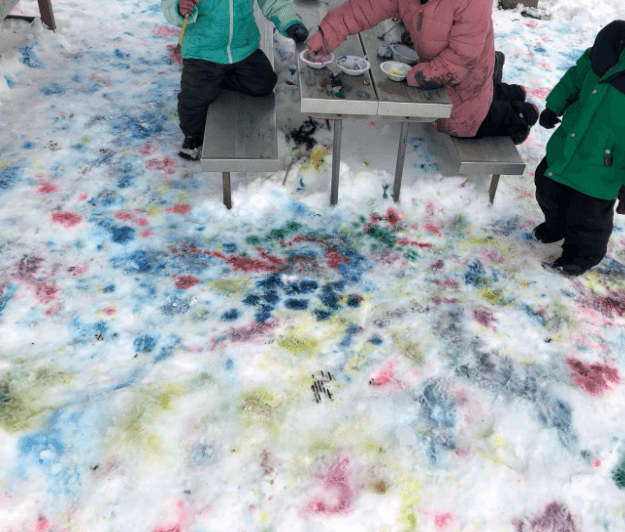
Painting Snow
Children can paint freely across a unique surface and see where their ideas take them. Experiencing textures and temperatures you feel, like the hard ground, cold snow, and frozen, slippery ice.