Happy, Sad, Mad
Learning to understand feelings
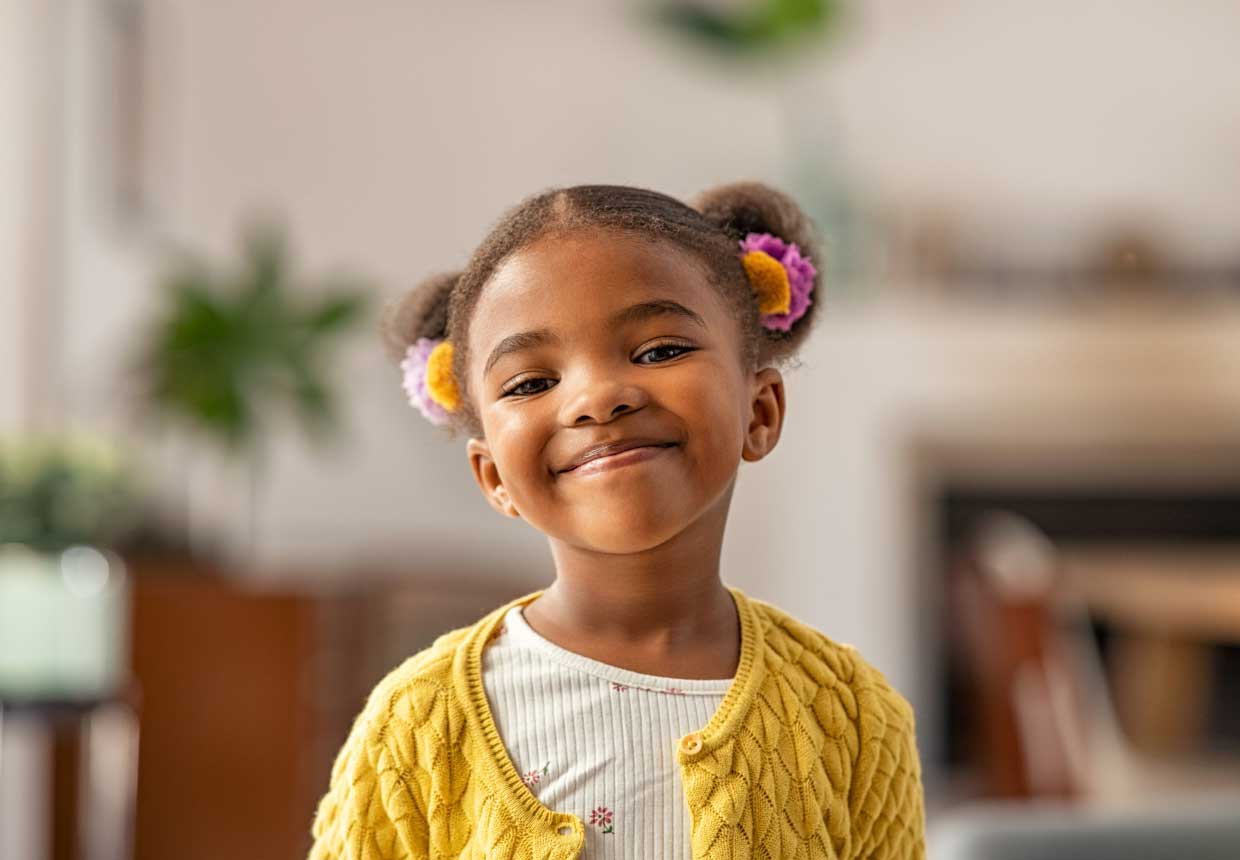
Children experience lots of different feelings. Every feeling has its own name. But each child feels and shows their feelings in different ways.
- Audience
- Caregiver
- Subject
- Social-Emotional Learning
- Age
- KindergartenPre-KPreschoolToddler
- Languages
- ArabicBrazilian PortugueseCape VerdeanEnglishFrenchHaitian CreoleRussianSimplified ChineseSpanishVietnamese
- Materials
- Paper plates, playdough, puppets, finger paint, radio
The Basics
Everyone has feelings. Babies might smile when an adult makes a funny sound or cry when hungry.
As children get older, it is important for them to learn to show their feelings with words and actions. Are they sad? Mad? Scared? Children get frustrated when adults do not understand them. And adults cannot help without knowing what children are feeling.
Sometimes a child might not know what they are really feeling. Understanding feelings takes practice.
Getting Started
Feelings can be positive or negative, and both are okay! Let your child express their feelings. Listen to their words. Say aloud things you notice. “I see your fists are in tight balls. Are you feeling mad? Or maybe scared?” Give your child time for their feelings. Sometimes adults want to make things better too quickly!
Things to Try with Ages 2 to 5
Exploring faces
- Point to each face on the face chart and name the feeling. Talk about how you know which feeling a face is showing. “I can see this face is sad because the eyebrows are down.” Look in the mirror. Make the faces on the face chart together. What are your eyes doing? Your mouths?
- Invite your child to use pieces of playdough to make a face on a plastic plate. Ask how their playdough face is feeling and when they might feel that way. “When do you make a happy face like this? When you’re dancing?” Make more faces with different feelings.
Puppet play
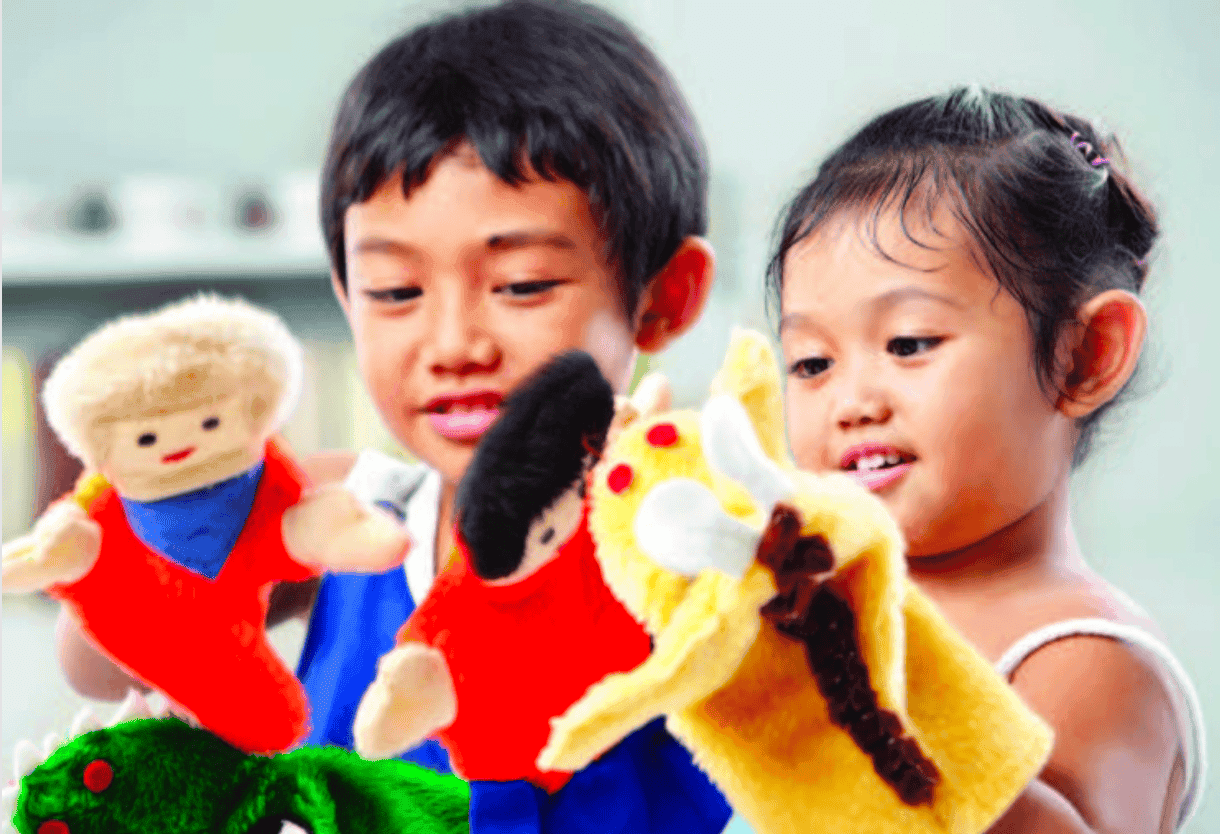
- Invite your child to choose one puppet for themselves and one for you. Ask your child’s puppet how they are feeling. “Hi Pig! How are you feeling?” Act out different feelings. “Cow is sad because he didn’t get a turn on the slide.” “Rabbit is excited to see grandma today!”
- Set out some blocks and things from your recycling bin (egg cartons, toilet paper tubes). Invite your child to create a small, pretend world for the puppets. Listen to the story your child is creating. Introduce feelings to their play. Ask the puppet your child is playing with how they feel. “Oh no, Lion, you dropped your cookie! How do you feel?”
Colorful feelings
- Give your child two or three colors of finger paint. Encourage them to make dots, lines, or shapes on their paper. Talk about how the colors make you each feel. Maybe red makes them feel happy. Maybe it makes you feel mad. It’s okay to be different!
- Listen to music as you paint together. Play soft music, then loud. Slow, then fast. Try music with different instruments. Ask your child to tell you about their painting. How does the music make them feel?
Everyday Interactions
Talk about the feelings of the people or animals in the book you are reading. Ask your child when they feel those same feelings.
During a quiet moment, talk about your child’s day. How did playing at the playground feel? How about when they lost their ball?
Model, Notice, Practice
“Your grandpa sent us a nice card. It makes me happy!”
“I see tears coming out of your eyes. I know this is making you very sad.”
“Let’s try to make a disappointed face.”
Related Resources
 CaregiverActivity
Figuring It Out
Stuck zippers! Snatched toys! Spilled milk! Learning to be a good problem-solver helps children be independent and feel more comfortable trying new things. It also helps them enjoy playing with others.
 CaregiverActivity
My Turn, Your Turn
Taking turns is an important part of playing and working together, but it is not easy. Children need a lot of practice and help from adults to learn to do it well.
 CaregiverActivity
Listen, Think, and Do
“Please wait.” “Eat your spaghetti with your fork.” “Give your friend a turn.” Learning the skills to follow directions helps children learn to behave nicely with others.
 CaregiverActivity
More Than Me
“I am happy. But you seem sad?” It is hard to imagine how others feel. But it is a skill that children need to play with others and make friends.
 CaregiverActivity
Deep Breaths and Happy Dances
Really happy, really sad, or really mad—feelings can be hard to manage. When a child can manage their feelings, they are able to show their feelings without losing control.
 CaregiverActivity
Stories Full of Feelings
Books are great tools to support young children’s social-emotional learning. The characters in the stories introduce many different feelings and ways of being a good friend or helper. And many stories also share creative ways of problem-solving.
 EducatorGuide
Me, You, We – Playgroup Guide
Playgroup structure to maximize social-emotional learning during your playgroup.
 CaregiverActivity
Painting Snow
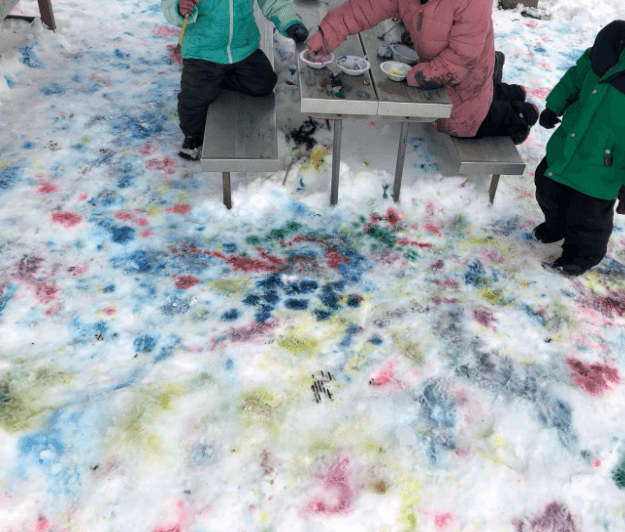
Children can paint freely across a unique surface and see where their ideas take them. Experiencing textures and temperatures you feel, like the hard ground, cold snow, and frozen, slippery ice.