Me, You, We – Playgroup Guide
Looking to provide playgroups focused on social-emotional learning? Check out the Me You We Playgroup Guide designed for use with families of children ages 2 to 5 years old.
- Audience
- Educator
- Subject
- Social-Emotional Learning
- Age
- KindergartenPre-KPreschoolToddler
- Languages
- English
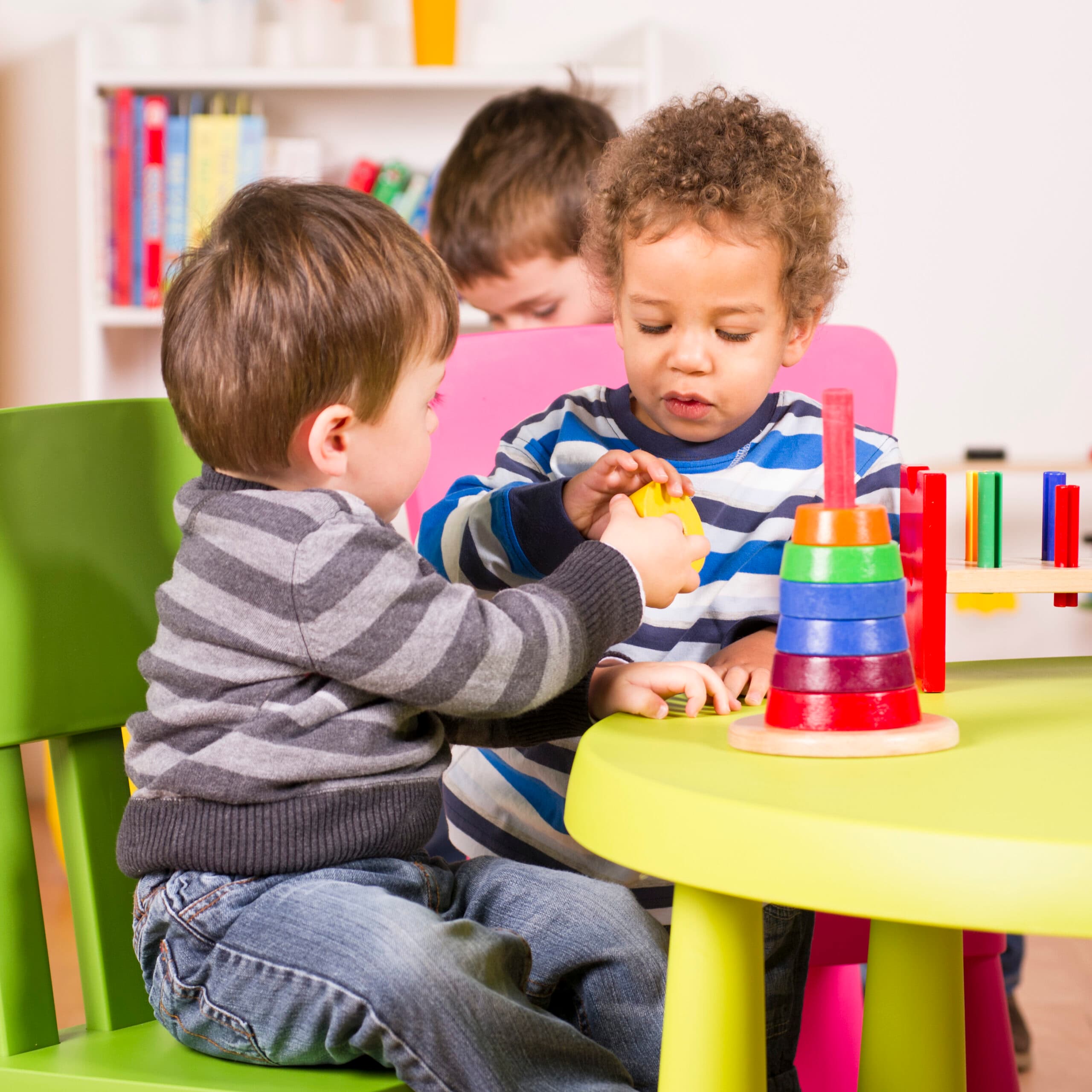
You can use or adapt this playgroup structure to maximize social-emotional learning during your playgroup. Be sure to also visit the Me, You, We collection to download the accompanying Family Activity Sheets.
This playgroup guide includes:
- Background on social-emotional learning and general tips for playgroup leaders
- Activities to integrate social-emotional learning into your playgroup structure through songs and fingerplays, breathing and mindfulness exercises, story time, and much more!
- Book suggestions
- Weekly session outlines
Related Resources
 CaregiverActivity
Stories Full of Feelings
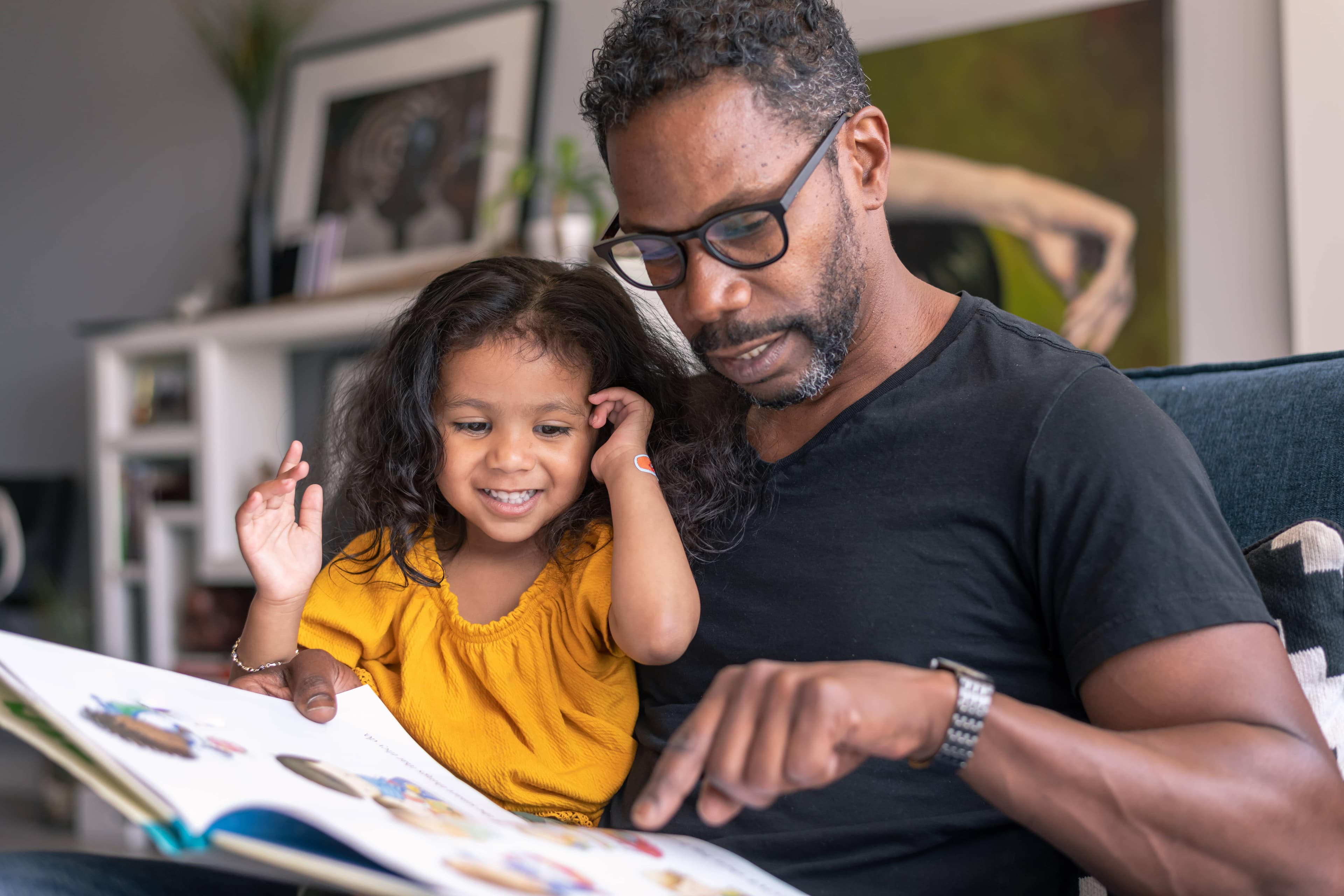
Books are great tools to support young children’s social-emotional learning. The characters in the stories introduce many different feelings and ways of being a good friend or helper. And many stories also share creative ways of problem-solving.
 CaregiverActivity
Figuring It Out
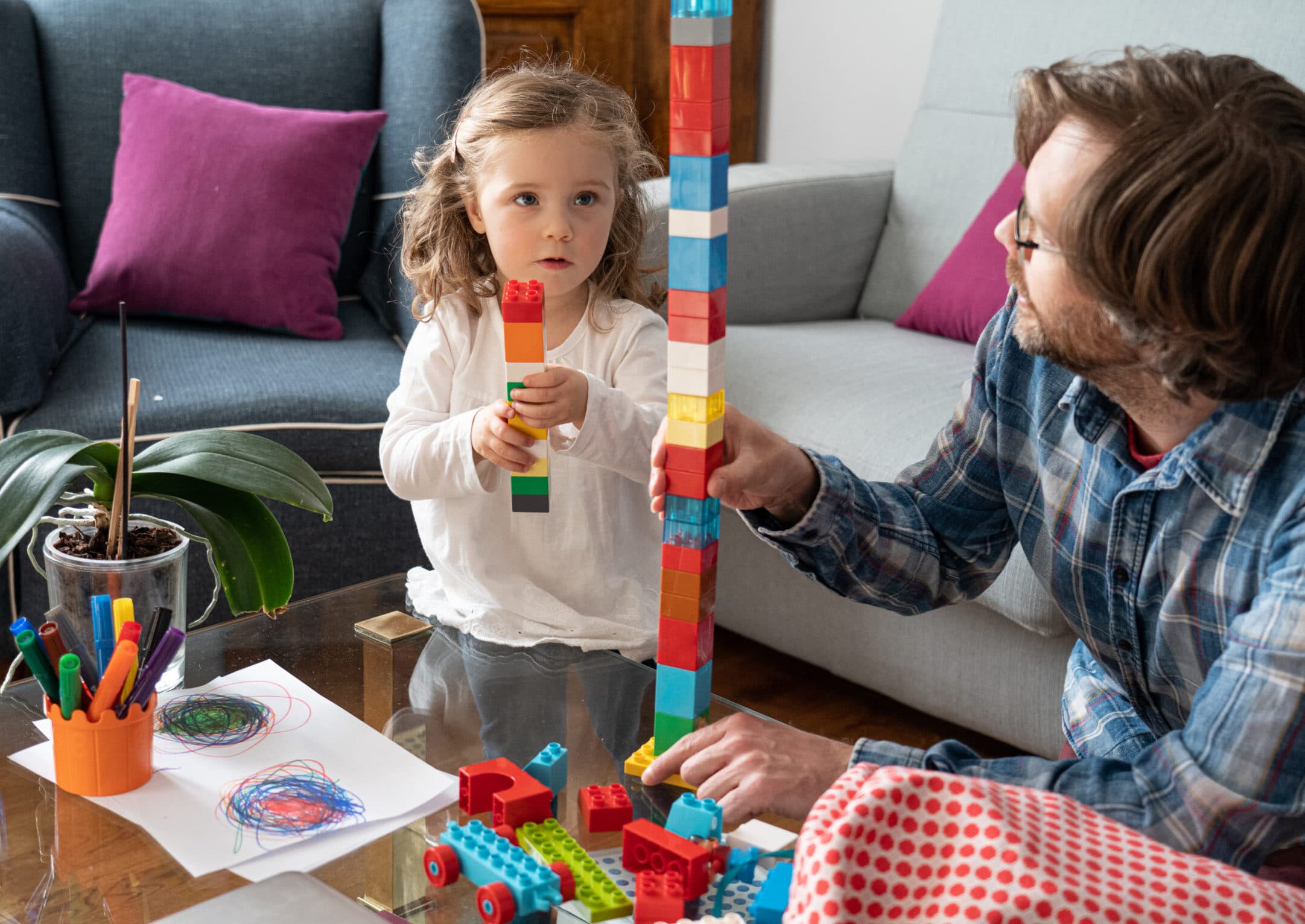
Stuck zippers! Snatched toys! Spilled milk! Learning to be a good problem-solver helps children be independent and feel more comfortable trying new things. It also helps them enjoy playing with others.
 CaregiverActivity
My Turn, Your Turn
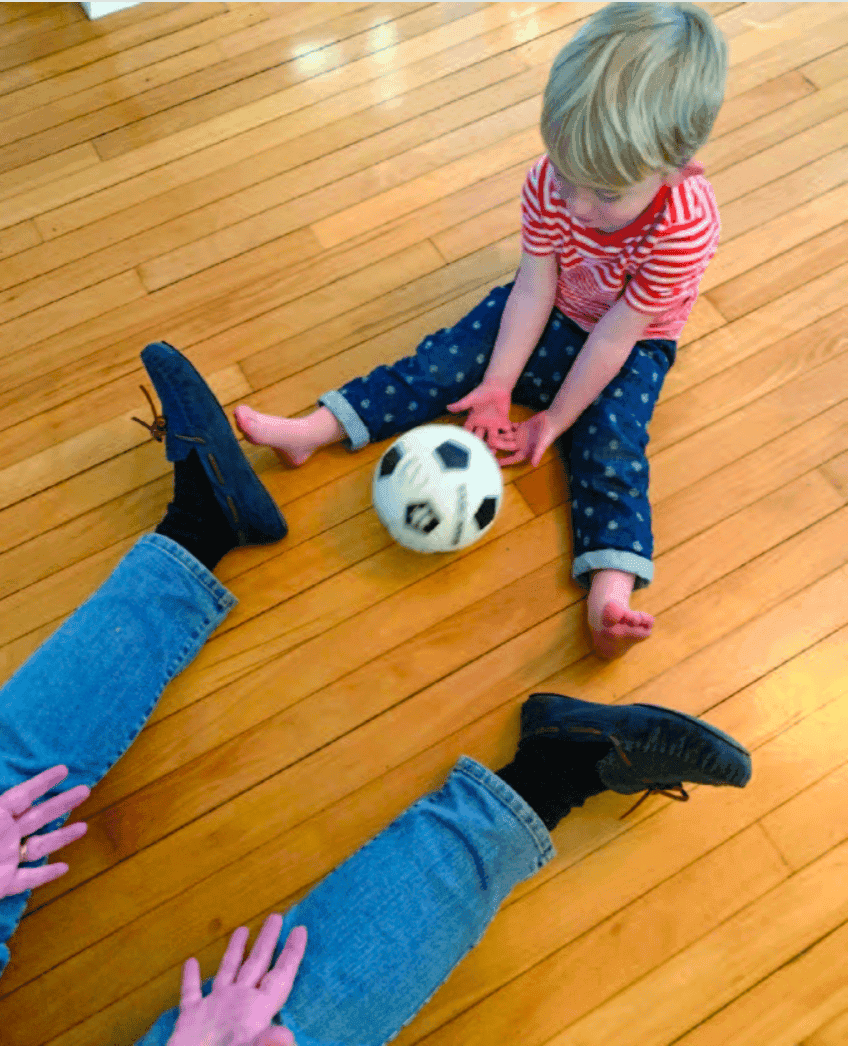
Taking turns is an important part of playing and working together, but it is not easy. Children need a lot of practice and help from adults to learn to do it well.
 CaregiverActivity
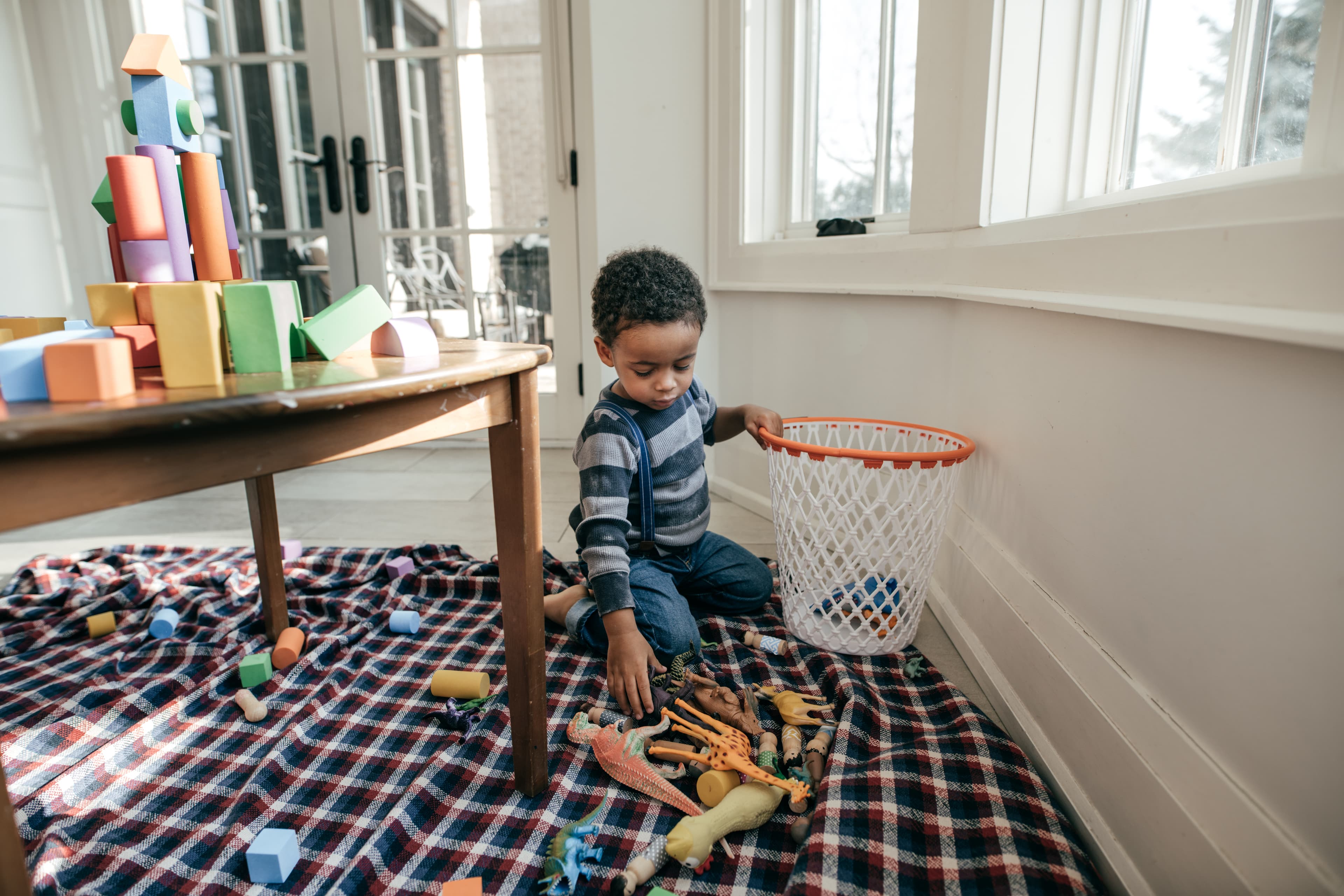
Listen, Think, and Do
“Please wait.” “Eat your spaghetti with your fork.” “Give your friend a turn.” Learning the skills to follow directions helps children learn to behave nicely with others.
 CaregiverActivity
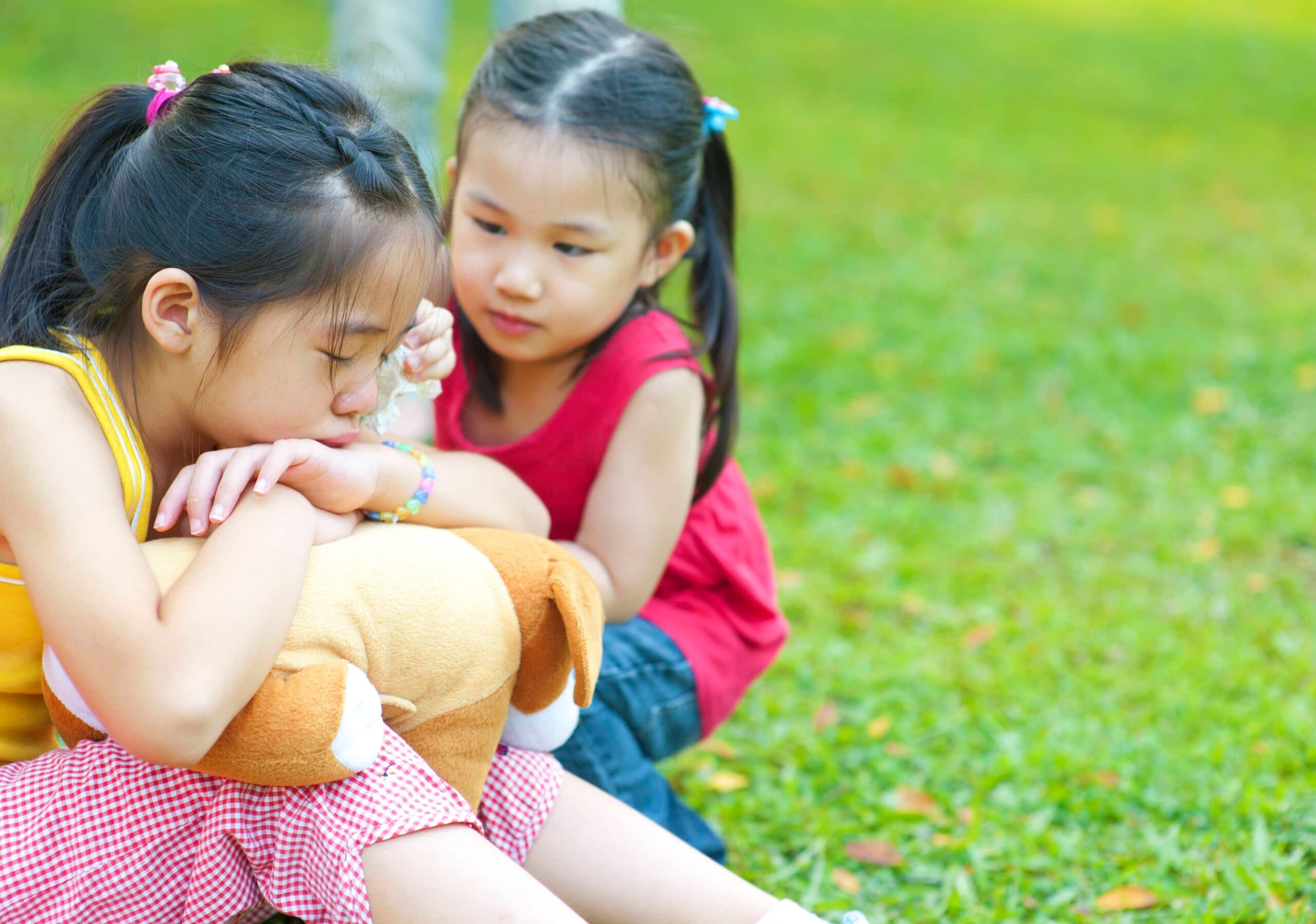
More Than Me
“I am happy. But you seem sad?” It is hard to imagine how others feel. But it is a skill that children need to play with others and make friends.
 CaregiverActivity
Deep Breaths and Happy Dances
Really happy, really sad, or really mad—feelings can be hard to manage. When a child can manage their feelings, they are able to show their feelings without losing control.
 CaregiverActivity
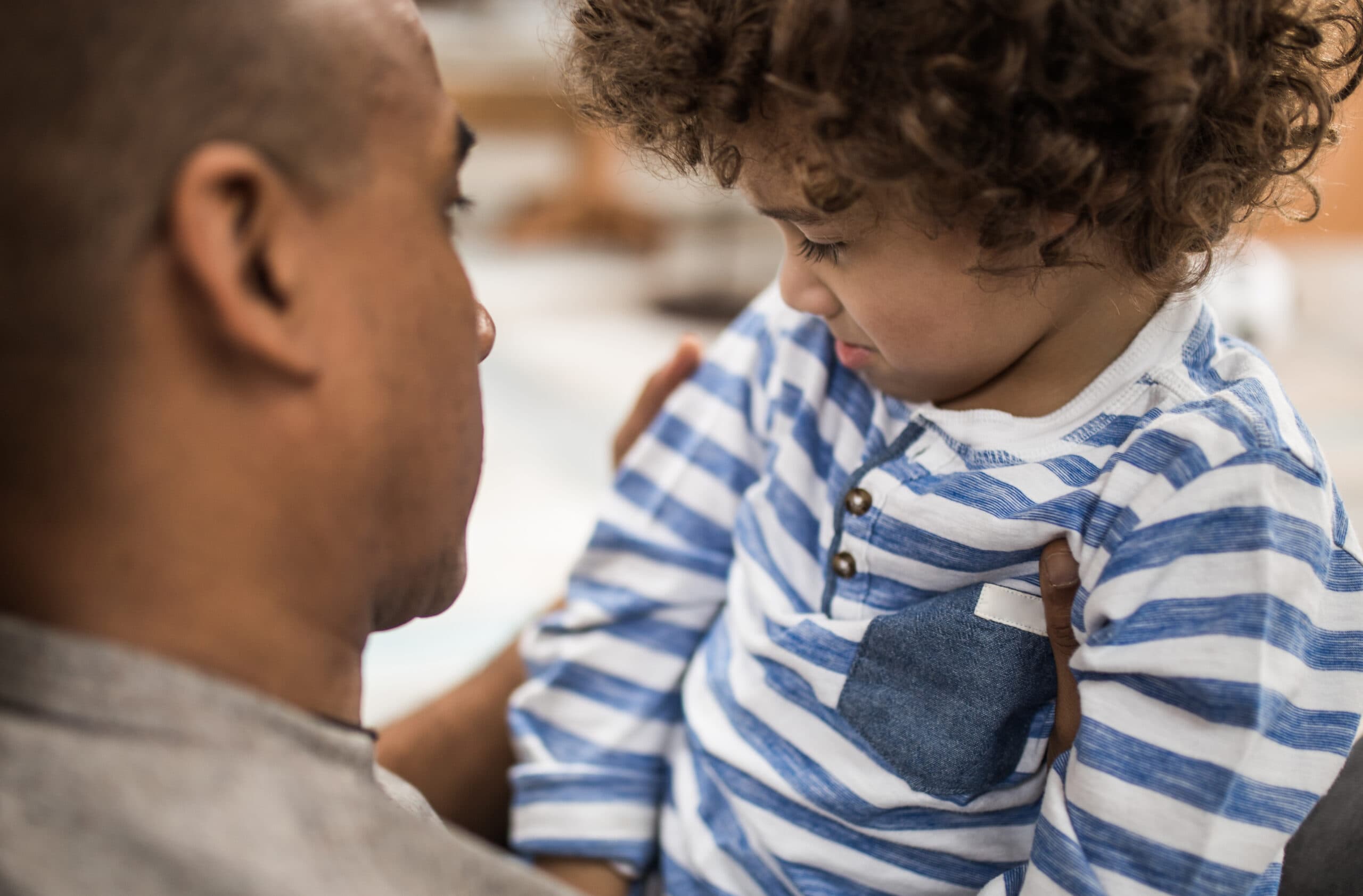
Happy, Sad, Mad
Children experience lots of different feelings. Every feeling has its own name. But each child feels and shows their feelings in different ways.
 CaregiverActivity
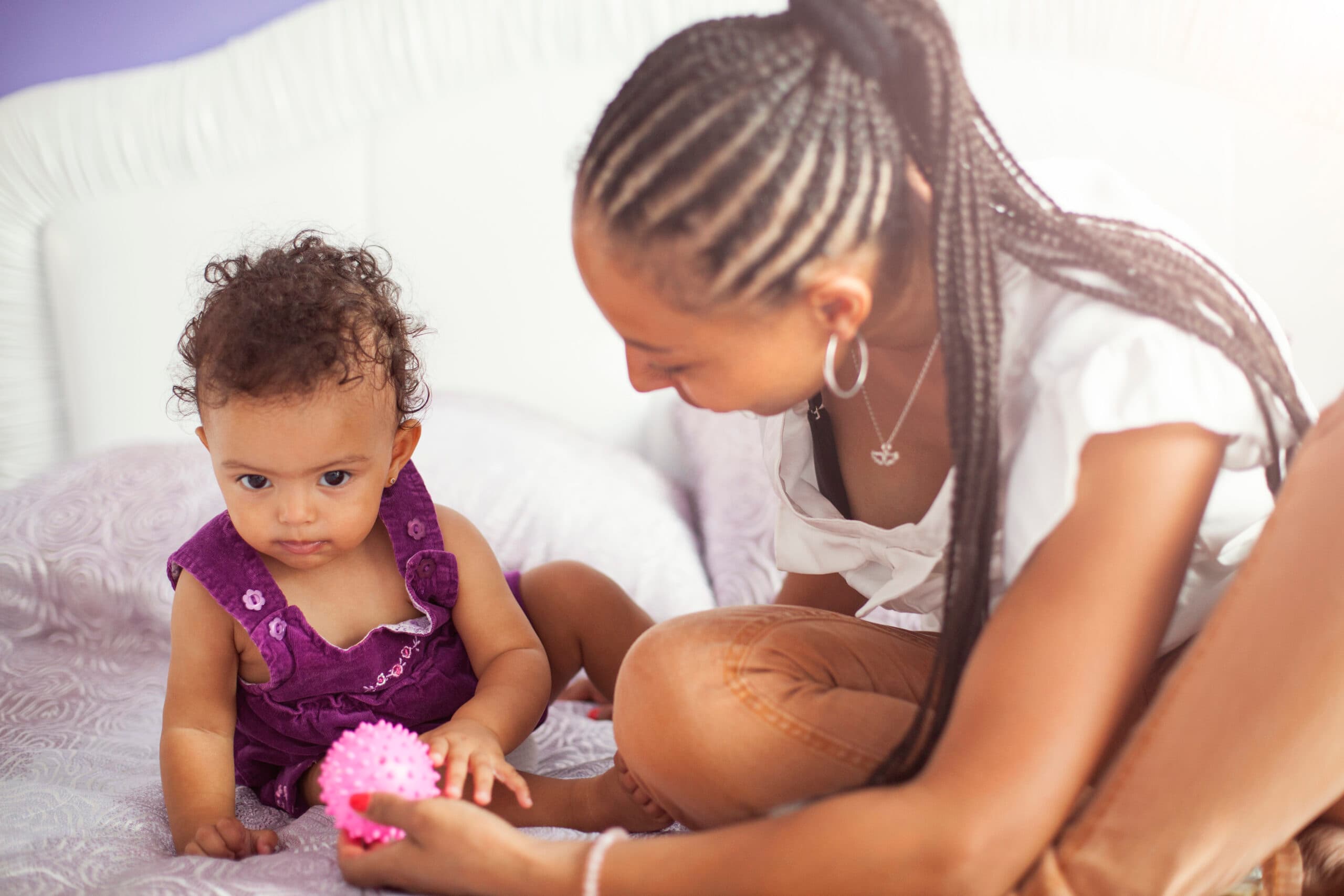
Infant Me, You, We
Infants are learning about themselves and the world around them through their caregivers. Social-emotional learning involves learning to understand and manage feelings, follow directions, take turns, solve problems, and learn about others.