Infant Me, You, We
Social-emotional learning for infants and their adults
Infants are learning about themselves and the world around them through their caregivers. Social-emotional learning involves learning to understand and manage feelings, follow directions, take turns, solve problems, and learn about others.
- Audience
- Caregiver
- Subject
- Social-Emotional Learning
- Age
- Infant
- Languages
- EnglishSpanish

For infants, social-emotional learning can be:
- Bonding with caregivers through cuddles and hugs
- Seeking attention through crying or fussing
- Mimicking expressions of grown-ups
- Learning that conversations include back-and-forth interactions (even if not through words, but through babbles and waves)
- Showing emotions like surprise, joy, and even anxiety or fear through play and everyday interactions
- Finding ways to soothe themselves, like hugging a favorite stuffed animal
- Recognizing themselves (through activities like looking in a mirror)
What is the grown-up's role?
A big part of social-emotional learning for infants is building strong bonds and trust with you, their caregiver. Warm, playful interactions with grownups are important!
- Before you engage in any activities, ensure the environment is safe for playtime!
- Cuddling! Hugging your baby is so important for bonding and helping them feel safe. You are the first person your baby connects with.
- Responding to your baby helps them learn from you! Show excitement in what they do or repeat the sounds they make. This helps support bonding, but also shows them how they can impact others.
Safety tip!Infants often mouth objects as they explore and learn about them. This is normal! Choose toys and materials that are mouth-safe, and watch out for choking or suffocation hazards.
Safety tip!Stuffed animals are for playtime with babies. Do not leave a stuffed animal with your baby while they are sleeping.
Activity ideas to try with infants:
Repeating things over and over (and over!) again
- Infants often want to repeat the same activities many times, like tapping on a toy or rolling a ball. This can seem repetitive and even boring to grown-ups. However, repetition is really important for infants. It helps to build confidence, comfort, memory, and more!
- Don’t feel like you always have to offer a lot of different options. Reading a couple favorite books or singing some familiar tunes can help your baby feel comfortable in knowing what to expect.
- If you feel like you need some variety, different genres of music can also help communicate different feelings (high or low energy, happy or sad, etc).
Mirrors
- Mirrors are a great way for babies to begin to see their reflection and recognize their face.
- Look in a mirror with your baby and make different faces. Talk about the feeling each face is showing: “When I’m sad, I move my eyebrows down like this. When I’m happy, I smile with my mouth like this.”
- This can be done during tummy time or any time!
Rolling a ball back and forth
- It takes two people to pass a ball back and forth, which makes it a great way to connect with your baby. Even if your baby cannot speak yet, give and take with a ball is a way of communicating!
- If your baby is not ready to roll the ball back, you can still model rolling it to them to show the kind of response you are looking for.
For more activities download the full resource below:
Related Resources
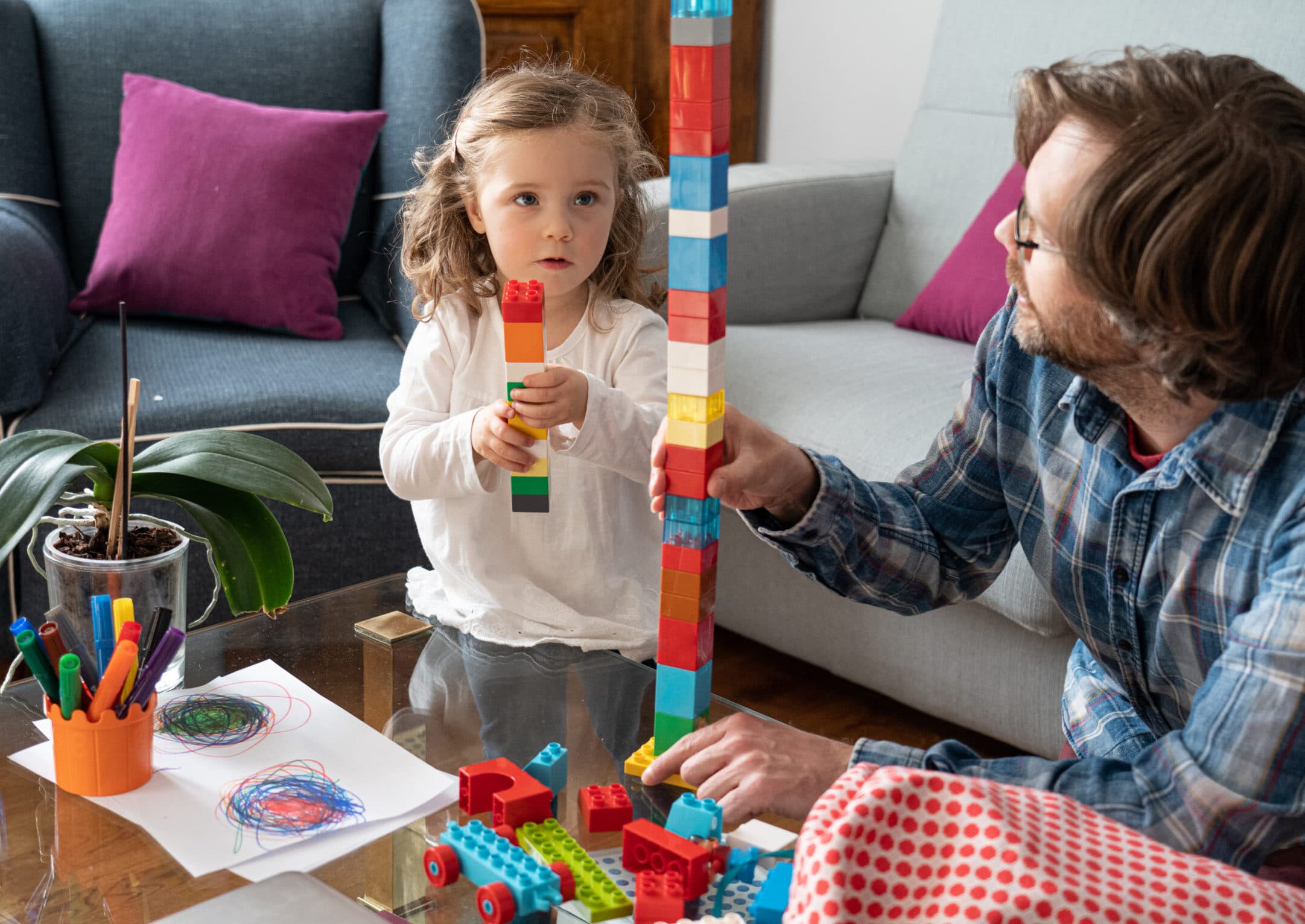 CaregiverActivity
Figuring It Out
Stuck zippers! Snatched toys! Spilled milk! Learning to be a good problem-solver helps children be independent and feel more comfortable trying new things. It also helps them enjoy playing with others.
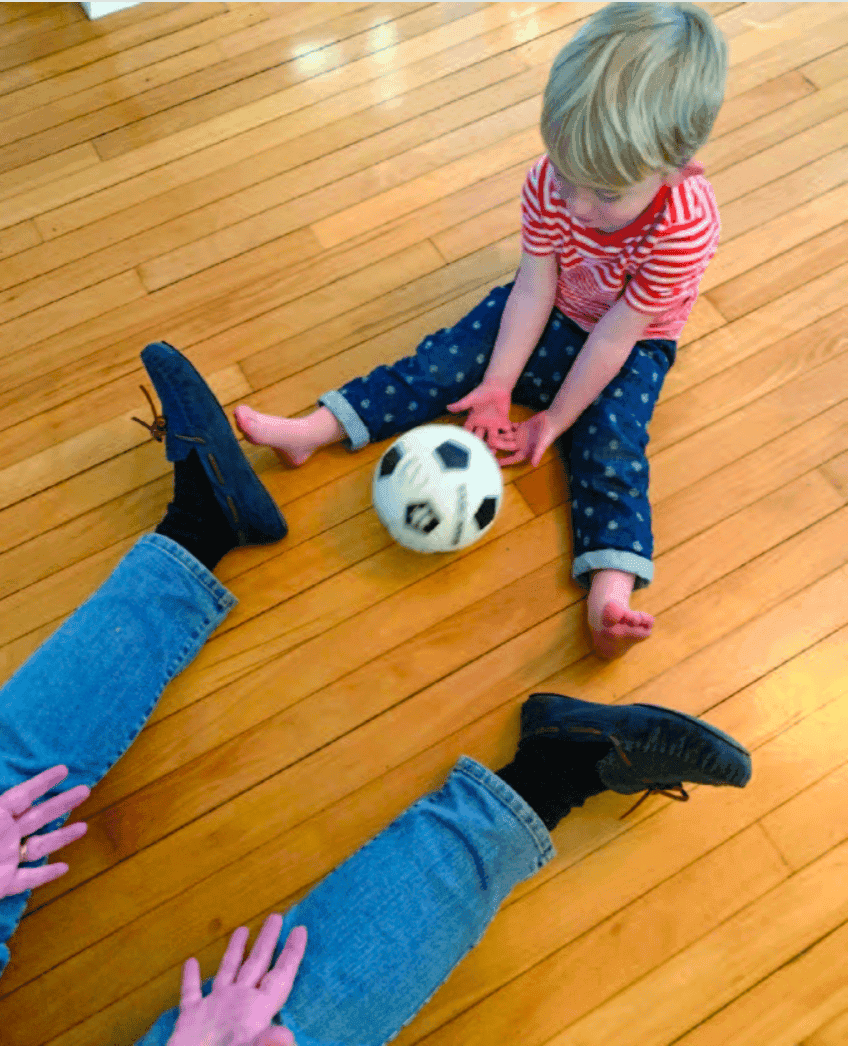 CaregiverActivity
My Turn, Your Turn
Taking turns is an important part of playing and working together, but it is not easy. Children need a lot of practice and help from adults to learn to do it well.
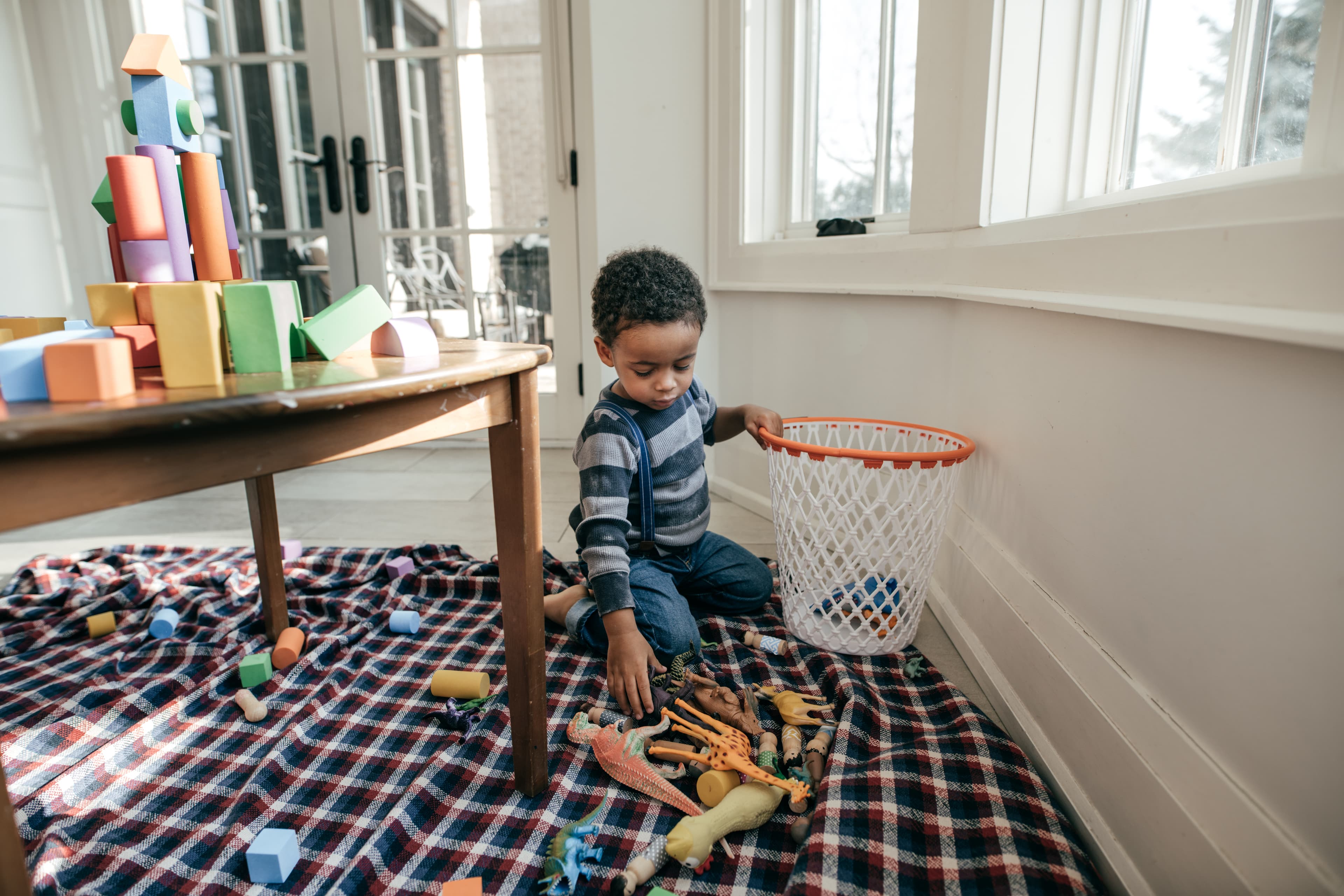 CaregiverActivity
Listen, Think, and Do
“Please wait.” “Eat your spaghetti with your fork.” “Give your friend a turn.” Learning the skills to follow directions helps children learn to behave nicely with others.
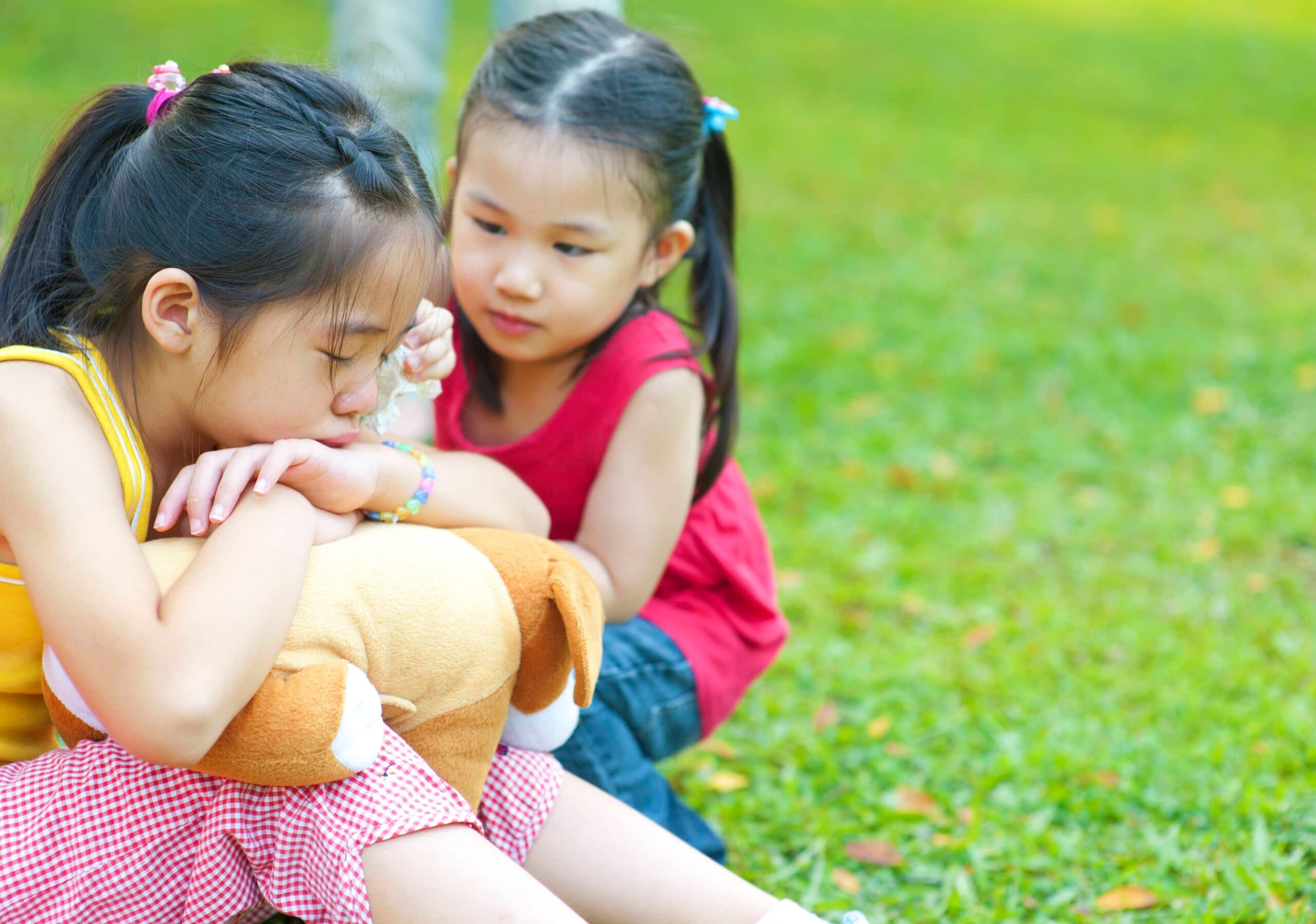 CaregiverActivity
More Than Me
“I am happy. But you seem sad?” It is hard to imagine how others feel. But it is a skill that children need to play with others and make friends.
 CaregiverActivity
Deep Breaths and Happy Dances
Really happy, really sad, or really mad—feelings can be hard to manage. When a child can manage their feelings, they are able to show their feelings without losing control.
 CaregiverActivity
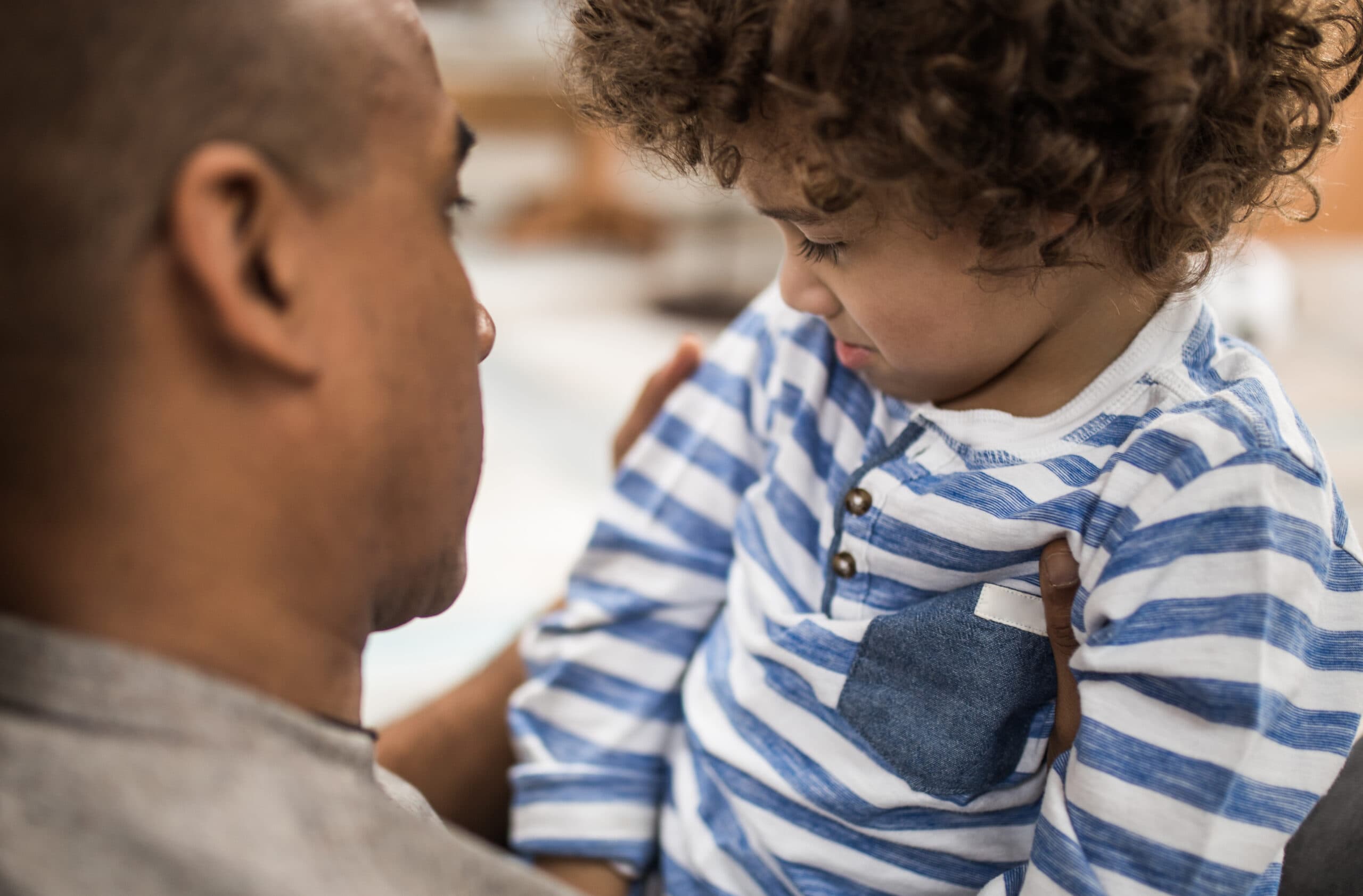
Happy, Sad, Mad
Children experience lots of different feelings. Every feeling has its own name. But each child feels and shows their feelings in different ways.
 CaregiverActivity
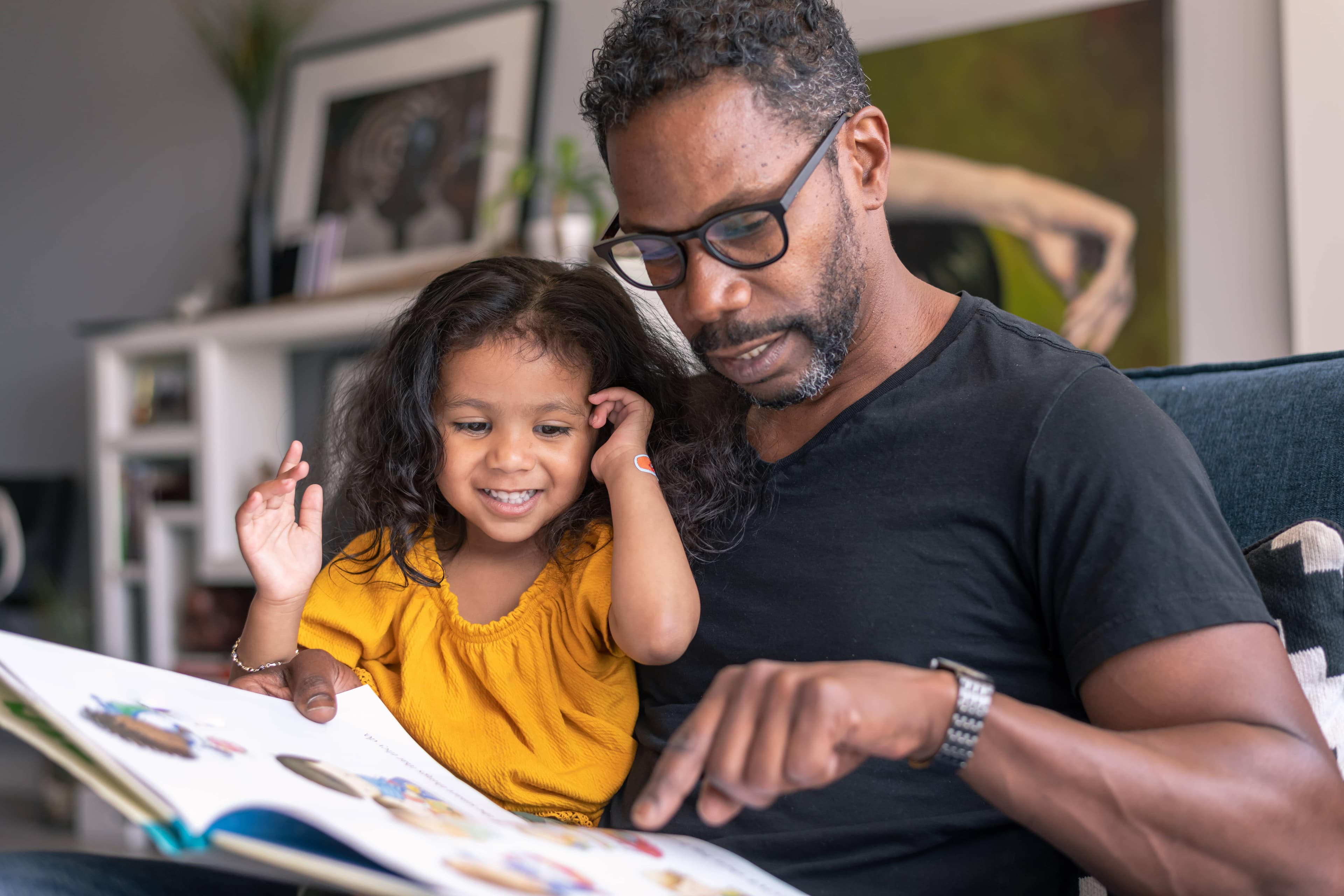
Stories Full of Feelings
Books are great tools to support young children’s social-emotional learning. The characters in the stories introduce many different feelings and ways of being a good friend or helper. And many stories also share creative ways of problem-solving.
 EducatorGuide
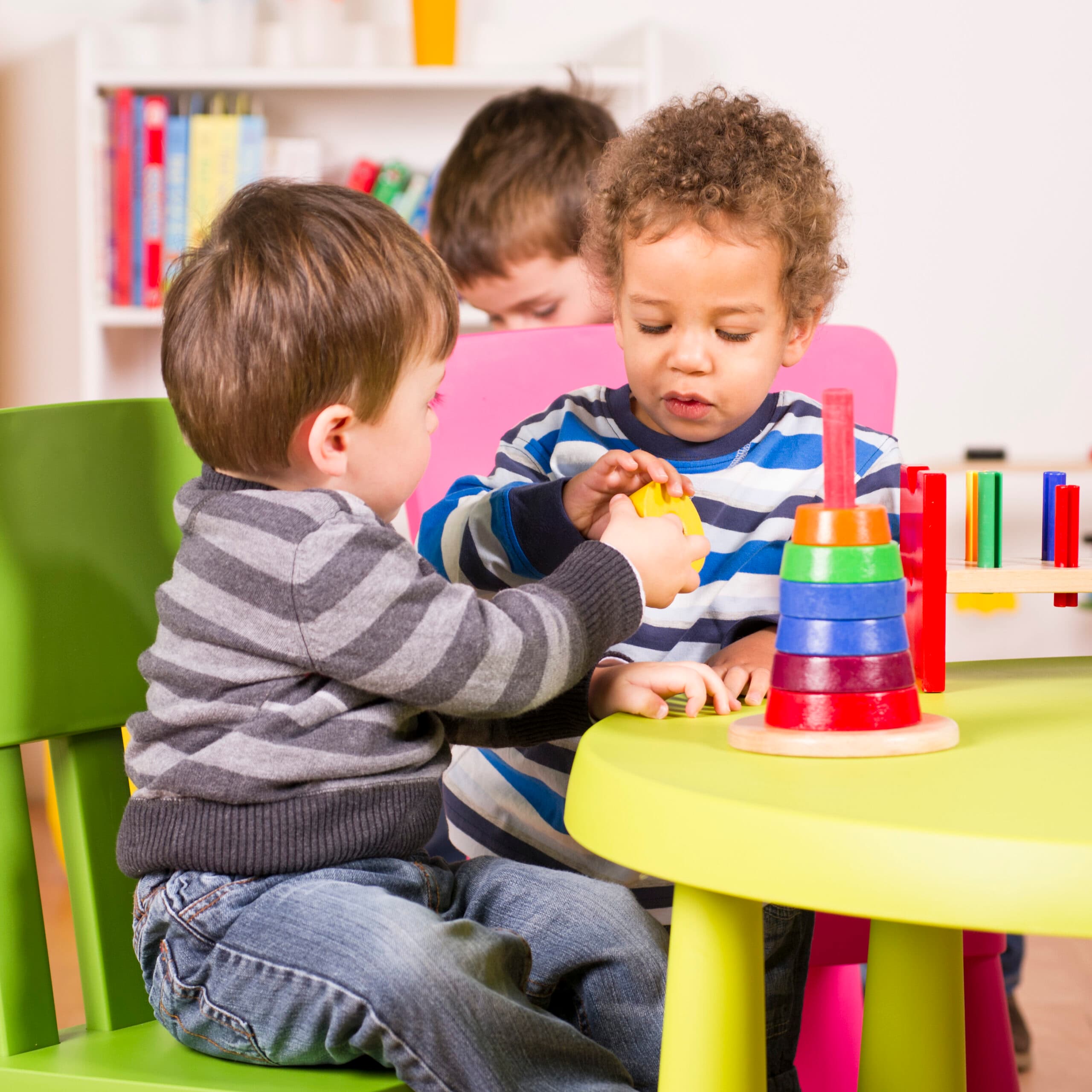
Me, You, We – Playgroup Guide
Playgroup structure to maximize social-emotional learning during your playgroup.